
20 Organizations Reports Request to Reject Truck Size Increase
A coalition of 20 organizations, led by AAR, requested Congress on January 28, 2026, to reject federal truck size and weight limit increases.
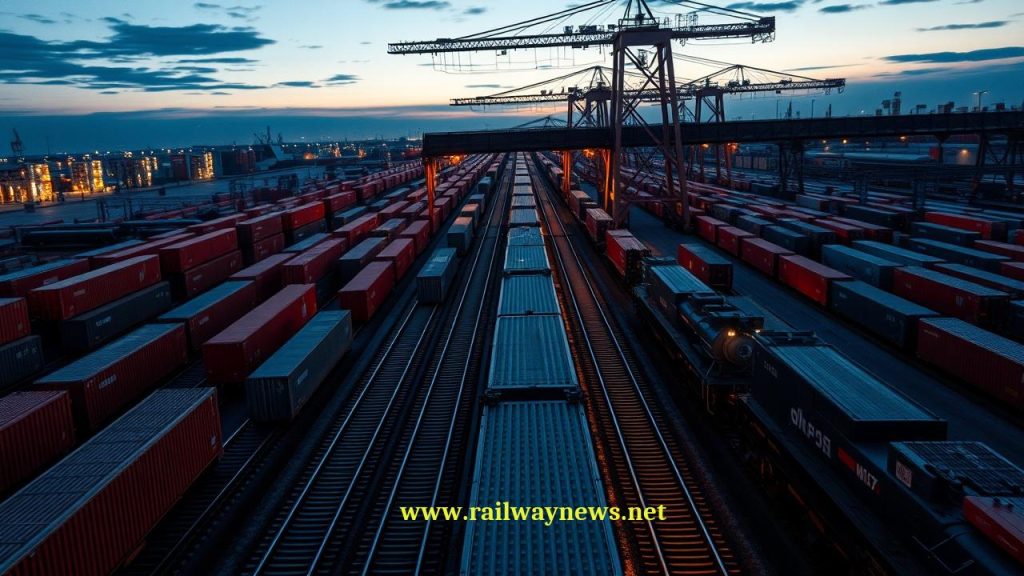
A formal request to reject any legislative measures increasing federal truck size and weight limits was submitted to the leadership of United States House and Senate transportation committees on January 28, 2026. The communication was issued by a coalition of 20 organizations, including the Association of American Railroads (AAR) and the American Short Line and Regional Railroad Association (ASLRRA).
The group’s stated opposition extends to pilot programs designed to test new vehicle standards and any state-specific or commodity-based exemptions from current federal law. The position was articulated in advance of the upcoming surface transportation reauthorization bill, which establishes multi-year policy and funding for national infrastructure.
The coalition includes rail advocacy group GoRail and the Coalition Against Bigger Trucks (CABT). The arguments presented to Congress cite accelerated damage to public roads and bridges and risks to public safety as direct consequences of allowing heavier or longer commercial trucks on the national highway system.
Among the 20 signatories are transportation labor unions, such as the Transportation Division of the International Association of Sheet Metal, Air, Rail and Transportation Workers (SMART-TD). The letter seeks to maintain uniform federal standards and opposes provisions that would grant individual states authority to set their own weight limits for interstate freight.

Railway infrastructure, rolling stock and transport technologies specialist focused on global rail industry developments, high-speed rail systems, signaling technologies and freight transportation. Covering railway investments, public transport modernization, rail operations and international mobility projects across Europe, Asia and North America.
RELATED POSTS

September 6, 2026 5:19 am
Hitachi delivered Taiwan's first N700ST high-speed train from Japan in...

September 5, 2026 4:19 pm
CPK launched formal tender talks with four consortia to design...

September 5, 2026 7:14 pm
HS2 Ltd signed renegotiated civils contracts with EKFB and Align...

September 6, 2026 4:12 am
Alstom delivered the first of 100 new G Class trams...

September 6, 2026 1:17 am
Hitachi Toshiba Supreme Consortium confirmed the first of 12 N700ST...

September 6, 2026 6:17 am
Hungary ordered a national ban on most freight trains from...