
Melbourne’s Campbell Arcade: Rail Infrastructure & Heritage Revived
Melbourne’s Campbell Arcade reopens, boosting city’s transport infrastructure. Renovated arcade now connects to new rail link.
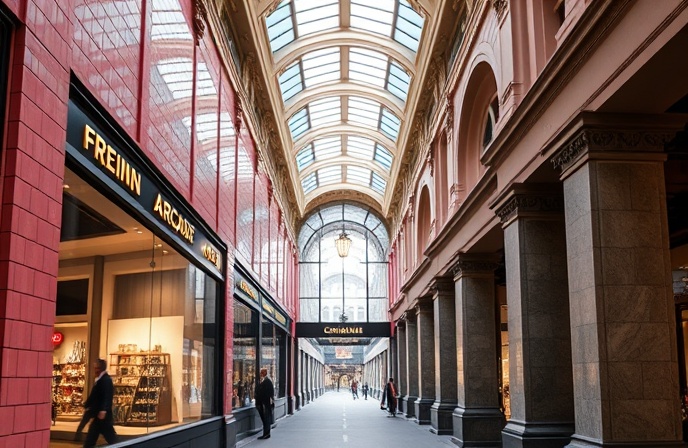
Campbell Arcade Reopens: A Milestone in Melbourne’s Transport Infrastructure
Melbourne’s historic Campbell Arcade has triumphantly reopened its doors after a detailed three-year restoration project. This revitalized pedestrian thoroughfare, a beloved landmark known for its distinctive 1950s aesthetic, now provides enhanced connectivity to the city’s transport network. The reopening, which occurred this month, marks the culmination of extensive works undertaken to rejuvenate the arcade while integrating it with the new underground rail link connecting Flinders Street Station to Town Hall Station, due to open later this year. This article explores the significance of the restoration, highlighting the preservation of heritage features, the upgrades to essential infrastructure, and the enhanced accessibility it offers to commuters, solidifying its crucial role within the Melbourne transport landscape. The project underscores the importance of preserving cultural heritage while modernizing infrastructure to meet the evolving needs of a growing city.
Preserving Heritage: A Detailed Restoration
The primary focus of the restoration project centered on preserving the Campbell Arcade’s unique historical character. The Victorian Government meticulously addressed the arcade’s original architectural elements, including the iconic pink tiles that define its ambiance, the granite columns that provide structural support, and the gracefully curved tiled walls that add to its distinct charm. A crucial aspect was the careful cleaning and repairing of the original display windows, offering the businesses within prime visibility. The project’s success is reflected in bringing the arcade back to its “former glory” as declared by the Victorian Government, ensuring the preservation of an invaluable heritage asset for future generations. The display cases, known as the ‘Dirty Dozen,’ have been preserved and will be used by the City of Melbourne to showcase the Metro Tunnel Project.
Essential Infrastructure Upgrades: Modernizing for Safety and Efficiency
Beyond the aesthetic restoration, the project incorporated substantial upgrades to critical infrastructure systems. These improvements were aimed at enhancing passenger comfort, safety, and overall functionality. This includes modernizing the lighting, ventilation, fire safety, and security systems. These upgrades contribute to a more pleasant and secure environment for pedestrians, making the arcade a welcoming and reliable passage. By integrating modern engineering solutions, the project ensures that the Campbell Arcade meets contemporary standards while preserving its historical integrity.
Enhanced Accessibility and Connectivity
The renewed Campbell Arcade significantly enhances accessibility for pedestrians and commuters within the Melbourne transport network. Passengers can now access Flinders Street Station directly from Degraves Street via the arcade, creating a new pathway into one of the city’s busiest transport hubs. While the heritage constraints prevented an accessible entrance directly from Degraves Street, new lifts installed within Flinders Street Station ensure the arcade is accessible via the Degraves Subway, which is a critical consideration for inclusive access. These upgrades streamline the flow of passengers and reduce congestion, thus improving the overall user experience.
The Future of Campbell Arcade: Commercial Opportunities and Integration
The reopening of the arcade heralds new commercial opportunities. The space now features eight shopfronts, with new businesses scheduled to open soon. This revitalization creates new space for commercial activity, contributing to the economic vitality of the surrounding areas. The integration of the arcade with the Metro Tunnel project, slated to be fully operational later this year, further strengthens its significance within the city’s transport and commercial ecosystem. This convergence exemplifies the importance of detailed planning and investment in infrastructure to benefit both the transport network and the communities it serves.
Conclusion
The successful restoration and reopening of Melbourne’s Campbell Arcade mark a significant achievement in infrastructure development, demonstrating the value of combining heritage preservation with modernized transit infrastructure. The project’s impact extends beyond enhancing pedestrian access; it enhances the public realm, improves the overall passenger experience, and contributes to Melbourne’s vibrant city life. The integration of the arcade with the new Metro Tunnel, alongside upgrades to critical safety and comfort systems, highlights the need for continuous investment in infrastructure. These improvements will be crucial to support the growing demands of urban transportation. Additionally, the focus on preservation sets an example for the industry by prioritizing the cultural value of infrastructure. In the future, it is crucial to invest in innovative solutions that will help preserve Melbourne’s historical assets while creating a transport network that is sustainable and accessible for everyone.

Railway infrastructure, rolling stock and transport technologies specialist focused on global rail industry developments, high-speed rail systems, signaling technologies and freight transportation. Covering railway investments, public transport modernization, rail operations and international mobility projects across Europe, Asia and North America.
RELATED POSTS

October 1, 2026 7:09 am
United States regulators confirmed a September 30 deadline for the...

October 1, 2026 12:13 am
Illinois approved $1.5 billion annually for the Northern Illinois Transit...

October 1, 2026 6:10 am
Amtrak approved a System Expansion Committee on July 30 to...
October 1, 2026 4:10 am
DART launched two public ridership dashboards in March 2026 to...
October 1, 2026 3:12 am
Greenbrier confirmed Brian Comstock as new president and CEO effective...
October 1, 2026 5:14 am
Siemens confirmed delivery of the first new S200 train to...