
Optimizing Global Rail Infrastructure: Passenger Experience Guide
Elevate your passenger experience with optimized railway infrastructure. Discover how modern track maintenance, signaling systems, and digital integration boost safety, efficiency, and satisfaction.
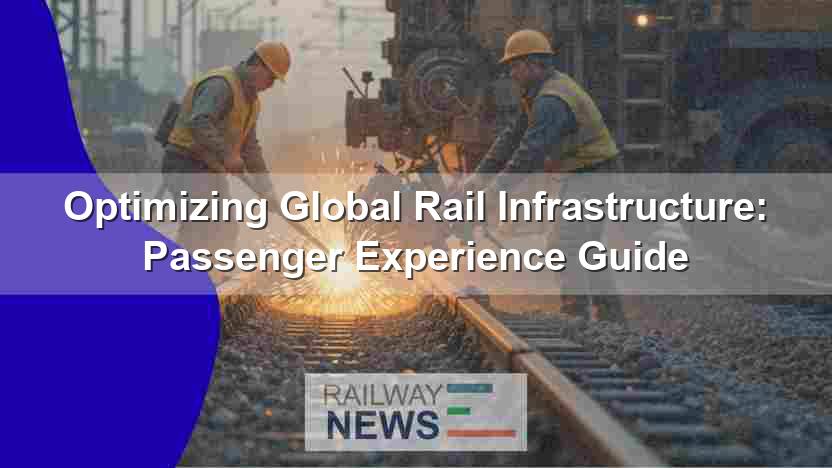
The modern railway industry faces a complex interplay of technological advancements, operational challenges, and evolving passenger expectations. This article explores the crucial aspects of optimizing railway infrastructure to enhance the passenger experience, examining key factors such as track maintenance, signaling systems, and the integration of digital technologies. From improving efficiency and safety to bolstering passenger satisfaction, these strategies are vital for the long-term success and sustainability of railway networks worldwide. This analysis will examine best practices and innovative approaches, offering valuable insights for railway operators seeking to create a superior travel experience for their customers, ultimately boosting ridership and overall network performance. A significant focus will be placed on the importance of effective planning and implementation strategies to ensure that these advancements are not merely incremental improvements but transformative leaps forward in the journey of rail travel.
Track Maintenance and Safety Protocols
The condition of the track is paramount to ensuring both safety and a smooth ride. Regular inspections, precise maintenance schedules, and the implementation of advanced technologies such as laser-guided track profiling play a crucial role in minimizing vibrations, mitigating derailment risks, and ensuring consistent track alignment. A robust track maintenance plan must incorporate predictive modeling and data analytics to identify potential issues early on, allowing for proactive interventions. Proper material selection and quality control throughout the track construction and rehabilitation processes are also critical elements. The impact of these practices on ridership and the overall perception of reliability is substantial, fostering passenger confidence in the railway system.
Signaling Systems and Automation
Modern signaling systems are essential for enhanced safety and operational efficiency. The shift towards digital signaling solutions, incorporating advanced control systems and automation, enables improved train scheduling, reduced delays, and enhanced responsiveness to unforeseen circumstances. Integration of real-time data feeds from various sources, including track conditions and weather patterns, is crucial for dynamic scheduling adjustments, optimizing train movements, and maintaining punctuality. Investment in advanced technologies such as Automatic Train Protection (ATP) systems enhances safety standards by providing reliable braking interventions should unforeseen circumstances arise. Additionally, these systems facilitate optimized train deployment and resource allocation, reducing costs and improving overall profitability. This chapter demonstrates how strategic investment in signaling technologies contributes directly to a smoother, safer, and more efficient passenger journey.
The Integration of Digital Technologies
The application of digital technologies in railway systems offers a multitude of benefits. Mobile ticketing apps, real-time journey planning tools, and integrated passenger information systems enhance passenger convenience and provide valuable data to support operational improvements. Data analytics can reveal trends in passenger behaviour, contributing to the development of targeted marketing strategies and personalized travel experiences. The deployment of digital tools can also streamline administrative tasks, reduce operational costs, and improve decision-making regarding service optimization and resource allocation. Moreover, the implementation of sophisticated data analytics helps to identify and address customer pain points, leading to improvements in customer satisfaction. These developments are revolutionizing the way railway networks interact with their passengers. This exemplifies the transformative potential of digital integration within the railway sector, leading to a more seamless, intelligent, and enjoyable travel experience.
Conclusions: Shaping the Future of Railway Travel
Optimizing railway infrastructure for a superior passenger experience requires a multifaceted approach that tackles various components of the system. Robust track maintenance practices ensure safety and comfort, while modern signaling systems enable greater efficiency and reliability. The integration of digital technologies provides passengers with enhanced convenience and valuable data-driven insights for network improvement. These advancements contribute not only to improved operational performance but also significantly enhance passenger satisfaction, fostering loyalty and ultimately boosting ridership figures. By carefully balancing technological advancements with effective planning and implementation strategies, railway networks can achieve substantial progress in improving the overall travel experience. This trend is evident in the numerous examples of successful rail infrastructure upgrades across the globe. The commitment to continual improvement and innovation is key to maintaining a competitive edge in the increasingly competitive transportation landscape. The integration of innovative and effective strategies creates a pathway for a future of more accessible, convenient, and enjoyable rail travel, as exemplified by West Midlands Trains’ innovative approaches to enhancing the passenger experience.
Successfully implementing these improvements requires a profound understanding of both passenger expectations and the operational intricacies of the railway. Thorough planning and a commitment to continuous improvement are essential for realizing the full potential of these advancements. By prioritizing safety, efficiency, and passenger convenience, the railway industry can solidify its position as a critical component of modern transportation systems, ensuring its continued relevance and contribution to society.
You might be interested in:
Last December 2018, we published an article about Ahmedabad Metro, a model for Indian rapid transit. Click here to read – Ahmedabad Metro: A Case Study in Indian Transit

Railway infrastructure, rolling stock and transport technologies specialist focused on global rail industry developments, high-speed rail systems, signaling technologies and freight transportation. Covering railway investments, public transport modernization, rail operations and international mobility projects across Europe, Asia and North America.
RELATED POSTS

October 1, 2026 7:09 am
United States regulators confirmed a September 30 deadline for the...

October 8, 2026 1:15 pm
Alstom secured a €1bn contract to build 13 automated trains,...

October 4, 2026 5:14 pm
Alstom secured a CA$4.7 billion order from VIA Rail Canada...

October 8, 2026 12:18 pm
Siemens Mobility signed an agreement with VinSpeed to supply 350...

October 1, 2026 12:13 am
Illinois approved $1.5 billion annually for the Northern Illinois Transit...

October 6, 2026 2:14 am
Union Pacific launched export rail shipments with Ferromex to deliver...