
UK Government Secures Fourth Rail Operator WMT
UK Government assumes control of West Midlands Trains, its fourth rail operator. London Northwestern and West Midlands Railway services are now state-managed.
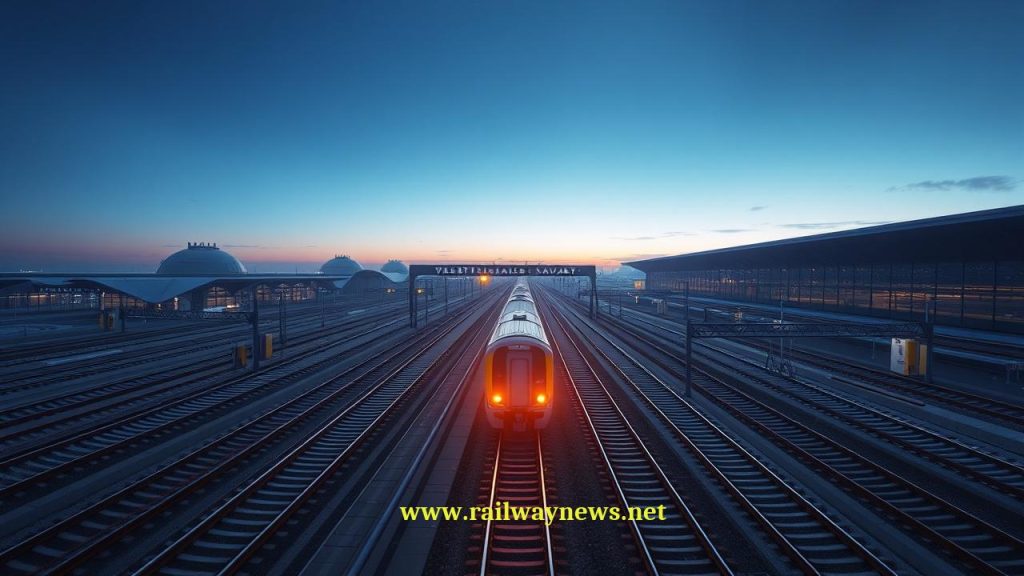
The United Kingdom’s government has assumed control of West Midlands Trains (WMT), the fourth rail operator to be brought into public ownership. This transfer places the operations of both London Northwestern Railway and West Midlands Railway under direct state management through the Department for Transport.
The nationalisation affects services on the West Coast Main Line route to London Euston and long-distance connections between Liverpool and Birmingham. It also includes the regional network operating from hubs such as Birmingham New Street and Snow Hill. WMT’s transition to a publicly owned entity is part of a government objective to create a single body responsible for rail infrastructure and revenue.
This change occurs alongside plans for a new rail line between Birmingham and Manchester, which is projected to begin operations from 2040. The development of this route is a component of the £45bn Northern Powerhouse rail scheme. For its construction, the government will utilize land parcels that were previously acquired for the cancelled northern section of the High Speed 2 (HS2) project.

Railway infrastructure, rolling stock and transport technologies specialist focused on global rail industry developments, high-speed rail systems, signaling technologies and freight transportation. Covering railway investments, public transport modernization, rail operations and international mobility projects across Europe, Asia and North America.
RELATED POSTS
August 4, 2026 1:11 pm
Hitachi Rail Canada secured a $407.7M contract to install CBTC...
August 11, 2026 11:13 am
Hungary confirmed the €2.5B Hungarian rail upgrade will not see...

August 4, 2026 11:12 am
MBTA confirmed a $150.8 million overhaul of the 85-year-old Green...
August 1, 2026 7:14 pm
€205 billion funding shortfall threatens the TEN-T rail network's completion...
August 5, 2026 7:11 pm
JR Central secured Shizuoka governor approval July 7, 2026 for...
August 1, 2026 7:56 am
BMZ delivered two new TEM18DM diesel shunting locos to RZD...