
Queensland Rail Upgrade: A$695M Beerburrum-Nambour Transformation
This article discusses the €432 million Queensland railway upgrade project awarded to Vinci Construction’s subsidiary, focusing on enhancing capacity, safety, and efficiency through modernization of track duplication, park-and-ride facilities, signaling upgrades, and construction of viaducts, aiming to revitalize Australia’s rail network in a critical section between Beerburrum and Nambour.
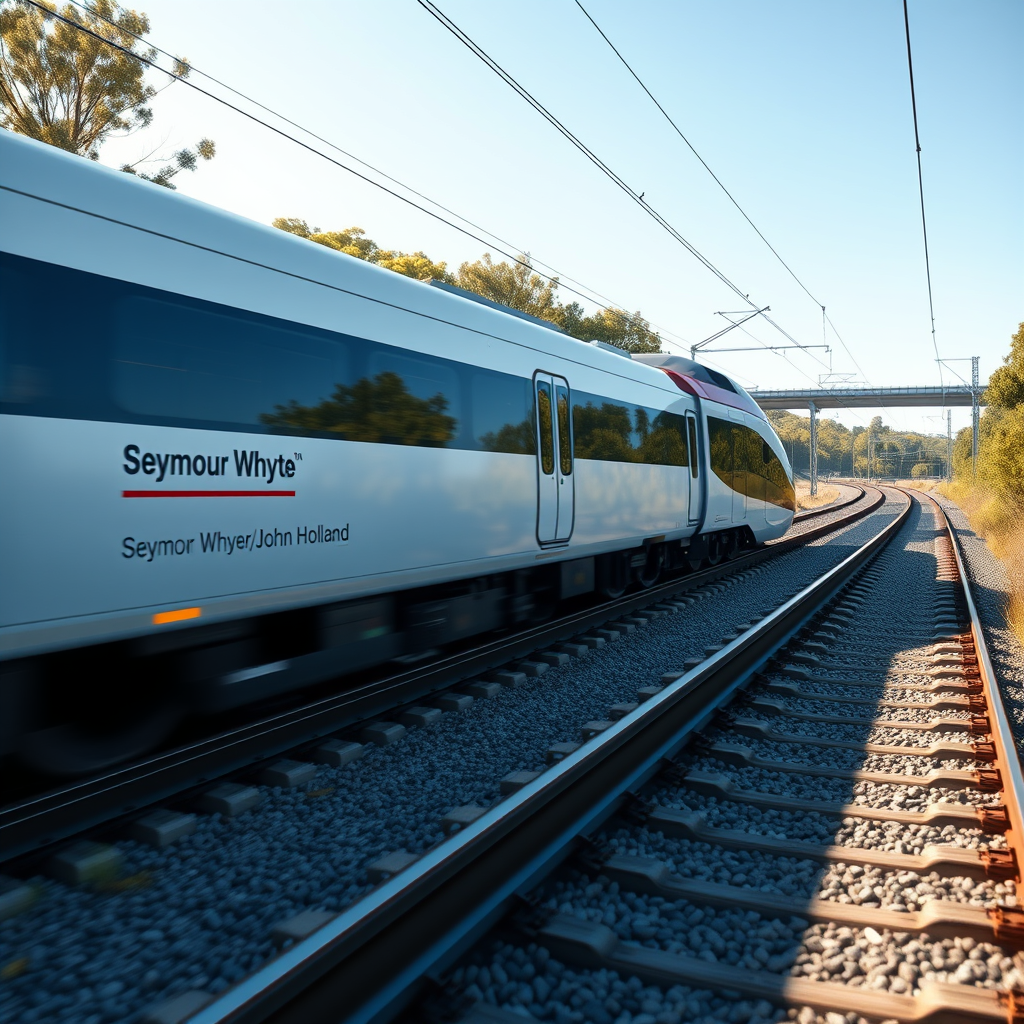
This article examines the significant Queensland railway upgrade project awarded to the Seymour Whyte/John Holland joint venture, a subsidiary of Vinci Construction. The €432 million (A$695 million or $467.4 million) contract represents a substantial investment in modernizing a critical section of Australia’s rail network, focusing on enhancing capacity, safety, and efficiency. The project’s scope encompasses a range of crucial improvements, from track duplication and realignment to upgrades of park-and-ride facilities and signaling systems. This initiative is not an isolated event but rather forms the first phase of a broader, long-term strategy to revitalize the North Coast Line, reflecting a commitment to sustainable and efficient transportation solutions for the rapidly growing region. The following sections will delve into the specifics of this project, its broader implications for the Queensland rail network, and the technological advancements it incorporates.
Project Scope and Objectives
The core objective of this two-year project, commencing in 2025, is to significantly improve the railway line between Beerburrum and Nambour. This involves several key components: track duplication to increase line capacity and reduce congestion, leading to improved operational efficiency and increased train frequency; rail straightening to enhance operational speed and reduce wear and tear on rolling stock; park-and-ride facility upgrades, essential for encouraging modal shift from private vehicles to public transport; and signalling system enhancements, vital for ensuring safe and efficient train operation, increasing capacity and potentially enabling the introduction of Automatic Train Protection (ATP) systems. Additionally, the project includes the construction and/or renovation of several viaducts, crucial infrastructure elements ensuring the structural integrity and longevity of the upgraded railway.
Technological Advancements and Sustainability
While the specific technologies employed are not explicitly detailed, the project inherently involves advancements in railway engineering and technology. Track duplication and realignment require sophisticated surveying and design techniques, incorporating advanced Computer-Aided Design (CAD) and Geographic Information Systems (GIS) technologies. Modern signaling systems will likely involve sophisticated communication and control technologies, potentially including centralized traffic management systems (CTMS) for optimal network management. Additionally, consideration for environmental sustainability is implied, given the increasing global focus on reducing the carbon footprint of transportation. This could involve the use of environmentally friendly construction materials and potentially integration with renewable energy sources.
Economic and Social Impacts
This significant investment will generate substantial economic activity within the region, creating jobs during the construction phase and supporting related industries. The project’s focus on improved passenger and freight transport will lead to significant social benefits. Reduced travel times, increased capacity, and improved reliability will enhance accessibility, benefitting commuters, businesses, and the wider community. The upgraded park-and-ride facilities will further enhance the attractiveness of public transport, potentially leading to a reduction in traffic congestion and improved air quality.
Strategic Significance and Future Outlook
This Beerburrum-Nambour upgrade represents the initial phase of a wider modernization program for the North Coast Line, reflecting a strategic commitment by the Department of Transport and Main Roads (DTMR) to improve Queensland’s rail infrastructure. The successful completion of this phase will serve as a benchmark for future projects, demonstrating the feasibility and benefits of large-scale rail upgrades. This approach signals a long-term vision for improved transportation efficiency, economic growth, and sustainable development in the region. The project’s success will depend on effective project management, skilled labor, and the seamless integration of various technological components.
Conclusion
The Seymour Whyte/John Holland joint venture’s contract for the Queensland railway upgrade highlights a significant investment in Australia’s rail infrastructure. The project’s scope, encompassing track duplication, rail straightening, park-and-ride upgrades, and signaling system enhancements, aims to significantly improve the capacity, efficiency, and safety of the North Coast Line between Beerburrum and Nambour. This initiative is not merely a localized improvement but a crucial first step in a broader modernization plan for the entire line, reflecting a strategic commitment to sustainable and efficient transportation solutions. The project’s success relies on effective project management, the implementation of advanced technologies, and careful consideration of environmental impacts. Beyond the immediate improvements to the rail network, the economic and social benefits, including job creation and enhanced commuter experiences, will contribute significantly to the region’s development. The project serves as a model for future rail infrastructure upgrades, demonstrating the potential for significant improvements in efficiency, safety, and sustainability within the rail transportation sector. The successful completion of this project will undoubtedly influence future rail investments in Australia and potentially serve as a benchmark for similar upgrades in other regions worldwide. This concerted effort highlights the commitment to enhancing both passenger and freight services, contributing to a more sustainable and economically vibrant future for Queensland.

Railway infrastructure, rolling stock and transport technologies specialist focused on global rail industry developments, high-speed rail systems, signaling technologies and freight transportation. Covering railway investments, public transport modernization, rail operations and international mobility projects across Europe, Asia and North America.
RELATED POSTS

October 8, 2026 1:15 pm
Alstom secured a €1bn contract to build 13 automated trains,...

October 1, 2026 7:09 am
United States regulators confirmed a September 30 deadline for the...

October 4, 2026 5:14 pm
Alstom secured a CA$4.7 billion order from VIA Rail Canada...

October 8, 2026 12:18 pm
Siemens Mobility signed an agreement with VinSpeed to supply 350...

October 5, 2026 6:12 pm
AECOM and Jacobs secured a contract in September 2026 to...

October 4, 2026 11:08 pm
Sound Transit confirmed the September 30 opening of Seattle Pinehurst...