
Budapest-Hatvan Rail Upgrade: Digital Signaling & AI
The Budapest-Hatvan railway upgrade in Hungary featured a comprehensive overhaul incorporating advanced digital signaling technology, including ETCS Level 2, AI-based predictive maintenance, and new point machines and level crossings, significantly enhancing speed, reliability, and capacity while modernizing the country’s infrastructure.
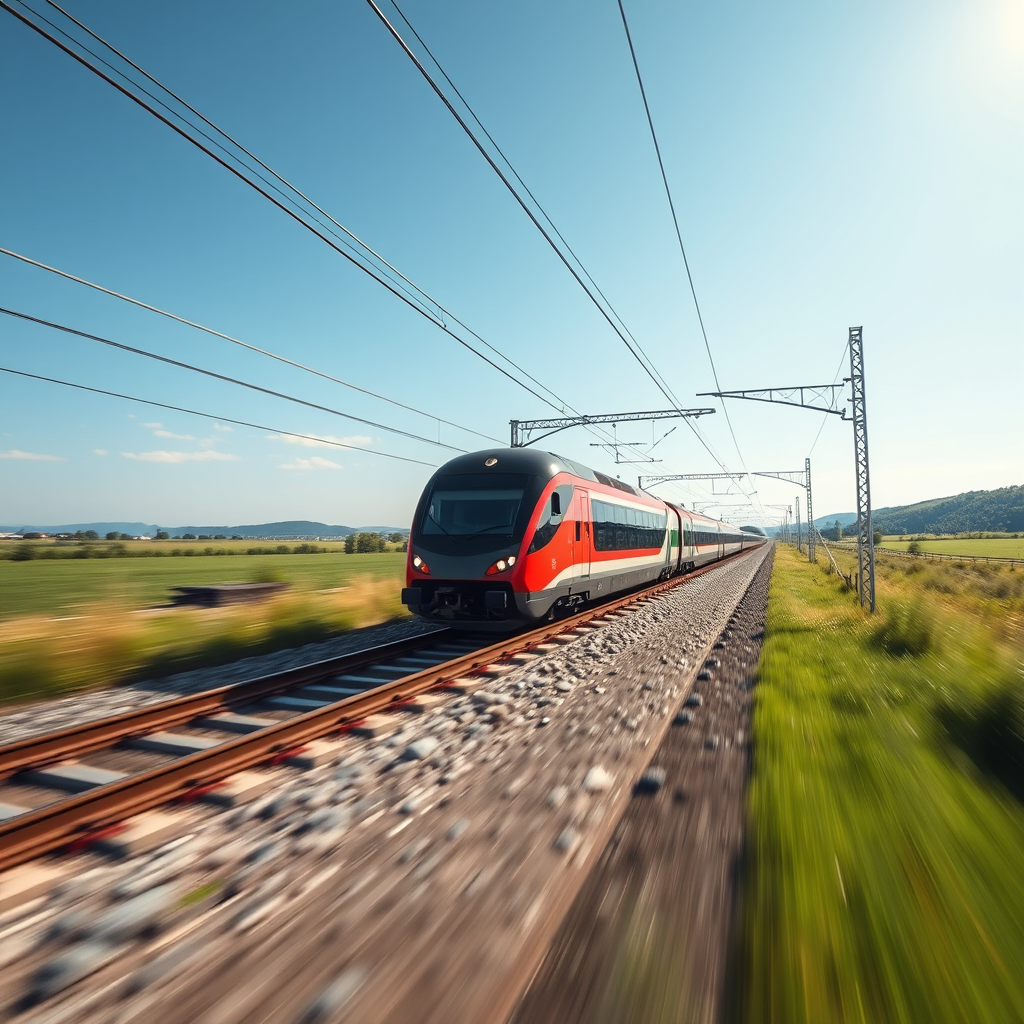
This article explores the significant upgrade of the Budapest-Hatvan railway line in Hungary, focusing on the implementation of advanced digital signaling technology by Hitachi Rail. The project, initiated in 2017 and completed in 2024, represents a substantial investment in modernizing Hungary’s railway infrastructure. This modernization went beyond simply upgrading existing systems; it involved a detailed overhaul incorporating cutting-edge technologies such as the European Train Control System (ETCS) Level 2, Artificial Intelligence (AI)-based predictive maintenance, and the integration of numerous new point machines and level crossings into the upgraded signaling system. The resulting improvements in speed, reliability, and capacity have demonstrably enhanced both passenger and freight services along this vital transport corridor. We will examine the technological advancements implemented, the operational benefits realized, and the broader implications for the future of railway modernization in Hungary and beyond.
Modernizing the Signaling Infrastructure
The core of the Budapest-Hatvan upgrade centered on replacing the existing signaling system with a state-of-the-art digital infrastructure. This involved the upgrade of six electronic interlockings (systems that prevent conflicting train movements) at key stations along the 60km route. The implementation of ETCS Level 2 (European Train Control System), a crucial component of the modernization, allows for safe train operation at speeds up to 160 km/h. This system utilizes trackside balises (transponders that transmit data to the train), a Radio Block Centre (RBC – a central control system managing train movements), and the GSM-R mobile communication system (a specialized mobile radio system for railway communications) to ensure continuous communication and monitoring of train movements, enforcing speed limits and preventing collisions. This represents a significant leap forward from older, less sophisticated systems.
Enhanced Operational Efficiency and Safety
The project’s scope extended beyond signaling upgrades. The installation of 73 new point machines (devices that switch railway tracks) and the integration of 23 level crossings into the new signaling system significantly enhanced the overall reliability and safety of the railway line. This integrated approach ensures that all aspects of train movement are coordinated and monitored effectively, minimizing the risk of human error and maximizing operational efficiency. The introduction of AI-based diagnostics for the point machines is a particularly noteworthy innovation. This predictive maintenance strategy allows for proactive identification and resolution of potential issues before they escalate into service disruptions, leading to increased operational uptime and cost savings.
Impact on Passenger and Freight Services
The modernization has had a palpable impact on both passenger and freight services. Passengers benefit from reduced travel times due to the increased permissible speeds and improved operational efficiency. The enhanced reliability of the system also contributes to a more dependable and comfortable passenger experience. For freight operators, the upgrade translates to increased capacity and reduced delays, allowing for more efficient and cost-effective transportation of goods. This improved efficiency has a wider economic impact, benefiting businesses reliant on rail freight transport throughout the region.
Future Implications and Technological Advancements
The successful completion of the Budapest-Hatvan upgrade serves as a compelling case study for railway modernization initiatives worldwide. The integration of advanced digital signaling, predictive maintenance, and sophisticated communication systems offers significant improvements in safety, efficiency, and sustainability. Hitachi Rail’s involvement underscores the growing trend towards collaboration between private sector companies and national railway authorities to implement such large-scale infrastructure improvements. The project’s success highlights the potential for future deployments of similar technologies across other railway networks, paving the way for a safer, more efficient, and sustainable future for rail transportation.
Conclusion
The upgrade of the Budapest-Hatvan railway line represents a significant advancement in railway technology and infrastructure modernization. The project’s success, driven by Hitachi Rail’s implementation of advanced digital signaling, including ETCS Level 2, and AI-driven predictive maintenance, has demonstrably improved safety, efficiency, and capacity along the line. The integration of 73 new point machines and the incorporation of 23 level crossings into the new signaling system further solidified the reliability and safety enhancements. The benefits extend beyond mere technological upgrades; passengers experience reduced travel times and improved service reliability, while freight operators benefit from increased capacity and reduced delays. This project serves as a strong example of how leveraging modern technologies can revolutionize rail transportation. The positive impact on both passenger and freight services highlights the broader economic benefits of such investments, stimulating growth and fostering efficiency within the transportation sector. Additionally, the successful implementation of this project sets a precedent for future modernization efforts, inspiring similar initiatives globally and showcasing the potential for further advancements in rail technology to create a more efficient, sustainable, and safe railway system for years to come. The adoption of AI-based predictive maintenance, in particular, signifies a shift toward proactive maintenance strategies, which will undoubtedly lead to reduced operational costs and increased system reliability. The Budapest-Hatvan project stands as a testament to the power of collaboration between private industry and national railway authorities, offering a blueprint for future successful railway modernization initiatives globally.

Railway infrastructure, rolling stock and transport technologies specialist focused on global rail industry developments, high-speed rail systems, signaling technologies and freight transportation. Covering railway investments, public transport modernization, rail operations and international mobility projects across Europe, Asia and North America.
RELATED POSTS

October 1, 2026 7:09 am
United States regulators confirmed a September 30 deadline for the...

October 8, 2026 1:15 pm
Alstom secured a €1bn contract to build 13 automated trains,...

October 4, 2026 5:14 pm
Alstom secured a CA$4.7 billion order from VIA Rail Canada...

October 1, 2026 12:13 am
Illinois approved $1.5 billion annually for the Northern Illinois Transit...

October 6, 2026 2:14 am
Union Pacific launched export rail shipments with Ferromex to deliver...

October 1, 2026 6:10 am
Amtrak approved a System Expansion Committee on July 30 to...
COMMENTS