
Škoda Secures EUR 120M Uzbekistan Electric Train Contract
Škoda Group secured a EUR 120 million contract to supply 10 modern electric trains to Uzbekistan Railways, including local service and a training academy.
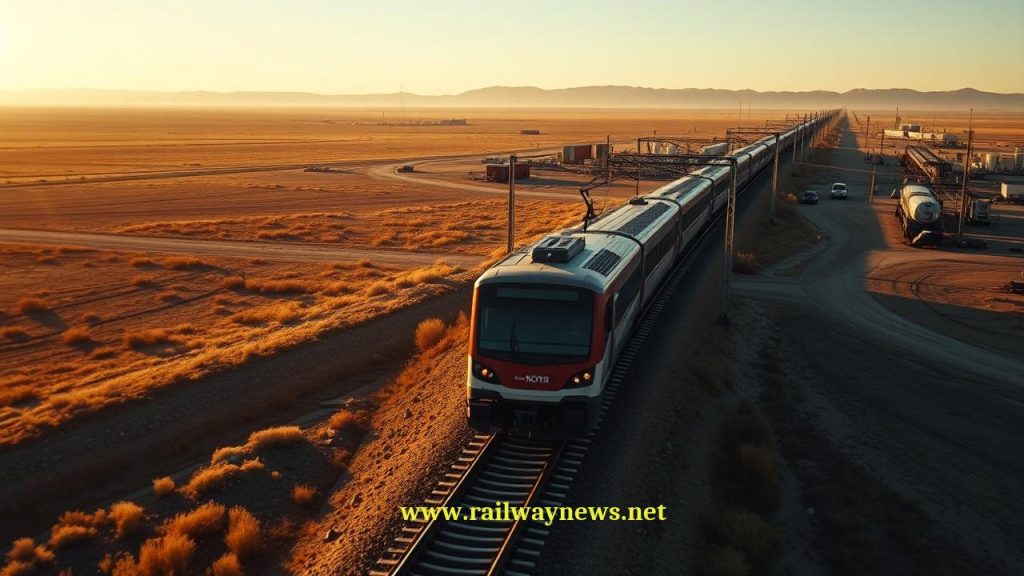
⚡ In Brief: The Škoda Group has secured a contract valued at over EUR 120 million to supply 10 modern electric trains to Uzbekistan Railways, a deal which also includes establishing a local joint venture for service and a training academy.
TASHKENT, UZBEKISTAN – The Škoda Group has signed a formal agreement to deliver 10 new-generation electric trains to Uzbekistan for a total value exceeding EUR 120 million. The contract, announced by the President of Uzbekistan, includes extensive localization of service and maintenance activities. The agreement represents a major entry for the Czech manufacturer into the Central Asian market.
What Does This Contract Cover?
The agreement encompasses three primary components: the supply of 10 broad-gauge (1,520 mm) electric multiple units (EMUs), the formation of a joint venture for localized maintenance and service, and the establishment of a “Škoda Academy” for technical training. The trains will be based on the same platform supplied to operators in Latvia and Estonia, specifically the Škoda 16Ev “RegioPanter” family. The full delivery schedule and financial breakdown between rolling stock and services were not disclosed.
Key Contract Data
| Parameter | Value |
|---|---|
| Contract Name | Škoda Group EMU Supply to Uzbekistan Railways |
| Total Value | Over EUR 120 million |
| Parties Involved | Škoda Group, Uzbekistan Railways, Czech Government, Uzbek Government, EIB, EGAP |
| Timeline / Completion | Not disclosed |
| Country / Corridor | Uzbekistan / Trans-Caspian Corridor |
How Does This Compare to Similar Contracts?
The Uzbekistan contract’s value of over EUR 12 million per train is significantly higher than other recent Škoda deals for similar hardware. For comparison, Latvia’s Pasažieru vilciens operator ordered 32 electric trains of the same base platform for approximately EUR 240 million, equating to roughly EUR 7.5 million per unit (Source: Škoda Group, 2019). The higher per-unit cost in Uzbekistan likely reflects the detailed nature of the agreement, which includes the establishment of a joint venture, extensive technology transfer, and the creation of a local service and training infrastructure, rather than just the delivery of rolling stock.
Editor’s Analysis
This deal is more a strategic partnership than a simple rolling stock sale, positioning Škoda as a key technology partner in Central Asia’s rail modernization. By embedding service, training, and localization into the contract, Škoda secures a long-term revenue stream and a strong foothold in a region actively courted by both European and Chinese manufacturers. This model aligns with the EU’s Global Gateway strategy, which aims to build sustainable infrastructure partnerships as an alternative to other geopolitical initiatives (Source: European Commission).
FAQ
Q: What specific type of train is being delivered?
A: The trains will be a new generation of electric multiple units (EMUs) adapted for the 1,520 mm broad gauge. They are based on the same Škoda platform delivered to operators in Latvia (Škoda 16Ev) and Estonia.
Q: What is the significance of the “localization” aspect?
A: Localization involves creating a joint venture in Uzbekistan to handle maintenance and service, transferring technical know-how to local partners. This strategy aims to build local industrial capacity and create skilled jobs, rather than relying on foreign technicians long-term.
Q: How is this project being financed?
A: The project is supported by a consortium of European entities, including the European Investment Bank (EIB) and the Czech export credit agency (EGAP). The European Commission has also designated it a flagship project under its Global Gateway initiative.

Railway infrastructure, rolling stock and transport technologies specialist focused on global rail industry developments, high-speed rail systems, signaling technologies and freight transportation. Covering railway investments, public transport modernization, rail operations and international mobility projects across Europe, Asia and North America.
RELATED POSTS

September 6, 2026 5:19 am
Hitachi delivered Taiwan's first N700ST high-speed train from Japan in...

September 5, 2026 4:19 pm
CPK launched formal tender talks with four consortia to design...

September 6, 2026 1:17 am
Hitachi Toshiba Supreme Consortium confirmed the first of 12 N700ST...

September 6, 2026 6:17 am
Hungary ordered a national ban on most freight trains from...

September 6, 2026 4:12 am
Alstom delivered the first of 100 new G Class trams...

September 5, 2026 7:14 pm
HS2 Ltd signed renegotiated civils contracts with EKFB and Align...