
Turkiye Tests 225 km/h Domestic High Speed Train
Turkiye’s TÜRASAŞ confirmed its first domestic high-speed train achieved a 225 km/h test speed on the national network, advancing sovereign transportation technology.
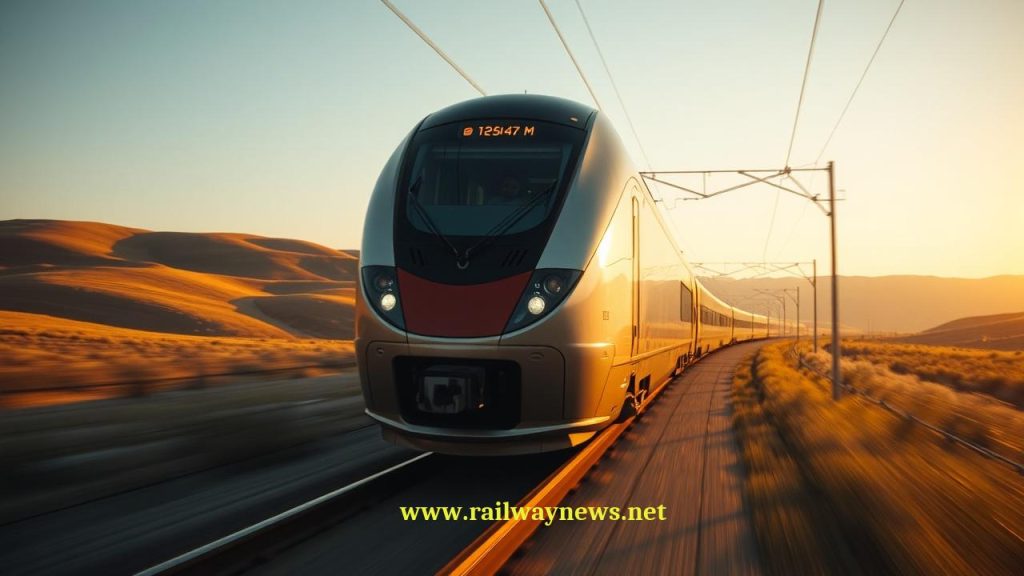
⚡ In Brief: Turkish manufacturer TÜRASAŞ’s first domestic high-speed train achieved a test speed of 225 km/h, matching its planned commercial speed, as part of a national strategy to develop sovereign transportation technology.
ANKARA, TURKIYE – The first high-speed train manufactured domestically in Turkiye reached a maximum speed of 225 km/h during dynamic braking tests on the Mithatpaşa–Bilecik line. The announcement was made by the Minister of Transport and Infrastructure, Abdulkadir Uraloğlu, who confirmed the performance was achieved on the second day of the critical testing phase. The train, built by state-owned TÜRASAŞ, will now undergo further validation before entering commercial service on the national network.
What Are the Technical Specifications?
The new trainset is designed for a commercial operating speed of 225 km/h, placing it in the intercity high-speed category. Built by TÜRASAŞ using what authorities describe as “local and national” resources, the project represents a key milestone in Turkiye’s domestic rolling stock production capabilities. Key technical details such as power output, passenger capacity, and the official model designation have not yet been publicly released by the manufacturer or the ministry.
Key Technical Data
| Parameter | Value |
|---|---|
| Technology / System Name | TÜRASAŞ Domestic High-Speed Train (Official name not disclosed) |
| Total Value | Not disclosed |
| Parties Involved | TÜRASAŞ (manufacturer), Turkish Ministry of Transport and Infrastructure |
| Timeline / Completion | Testing phase ongoing; in-service date not specified |
| Country / Corridor | Turkiye / National High-Speed Network |
Where Does This Technology Stand in the Market?
The TÜRASAŞ train’s 225 km/h operational speed positions it as a direct domestic alternative to established European platforms in the same performance segment, though it is slower than Turkiye’s premier imported trains. The country’s existing high-speed fleet is dominated by Siemens Mobility’s Velaro TR trainsets, which operate at speeds up to 300 km/h on lines such as Ankara–Konya and Ankara–Istanbul. In comparison, Alstom’s Avelia Pendolino platform is widely adopted across Europe for services in the 200-250 km/h range, often on conventional or upgraded lines. While the new domestic train does not compete at the top end of the global high-speed market (300 km/h+), its development signifies a crucial step for Turkiye in reducing reliance on foreign suppliers for its expanding network.
Editor’s Analysis
This achievement is less about raw speed and more about industrial sovereignty and strategic positioning. The development parallels other national technology programs, such as the T625 Gökbey helicopter, which was recently delivered to the Turkish military and also achieved a 225 km/h test speed (Source: Aviation Week, 2025). This pattern highlights a coordinated government strategy to build domestic capacity in advanced manufacturing, supported by policies such as a proposed corporate tax cut for manufacturing exporters to 9% (Source: Reuters, 2026). As rising fuel prices increase demand for rail travel globally, developing a domestic, export-capable rolling stock industry is a logical step for Turkiye’s economic and transport strategy.
FAQ
Q: What is the official name of this new Turkish high-speed train?
A: The official model name or designation for the new TÜRASAŞ high-speed train has not been publicly disclosed by the manufacturer or government officials.
Q: How does this train’s speed compare to others already operating in Turkiye?
A: Its planned commercial speed of 225 km/h is lower than the 300 km/h operational speed of the Siemens Velaro TR trains currently running on Turkiye’s primary high-speed routes.
Q: Is this project part of a larger government strategy?
A: Yes, it aligns with Turkiye’s broader goal of developing domestic high-technology manufacturing, similar to the Gökbey helicopter program. This industrial push is further supported by proposed government investment laws, including tax incentives for exporters.

Railway infrastructure, rolling stock and transport technologies specialist focused on global rail industry developments, high-speed rail systems, signaling technologies and freight transportation. Covering railway investments, public transport modernization, rail operations and international mobility projects across Europe, Asia and North America.
RELATED POSTS

October 8, 2026 1:15 pm
Alstom secured a €1bn contract to build 13 automated trains,...

October 1, 2026 7:09 am
United States regulators confirmed a September 30 deadline for the...

October 8, 2026 12:18 pm
Siemens Mobility signed an agreement with VinSpeed to supply 350...

October 4, 2026 5:14 pm
Alstom secured a CA$4.7 billion order from VIA Rail Canada...

October 5, 2026 6:12 pm
AECOM and Jacobs secured a contract in September 2026 to...

October 1, 2026 12:13 am
Illinois approved $1.5 billion annually for the Northern Illinois Transit...