
Alpha Trains Completes EUR 3 Million Desiro ML Modernization Germany
Alpha Trains completed a EUR 3 million modernization of 17 Siemens Desiro ML units for Germany’s MittelrheinBahn service, enhancing passenger comfort and extending operational life.
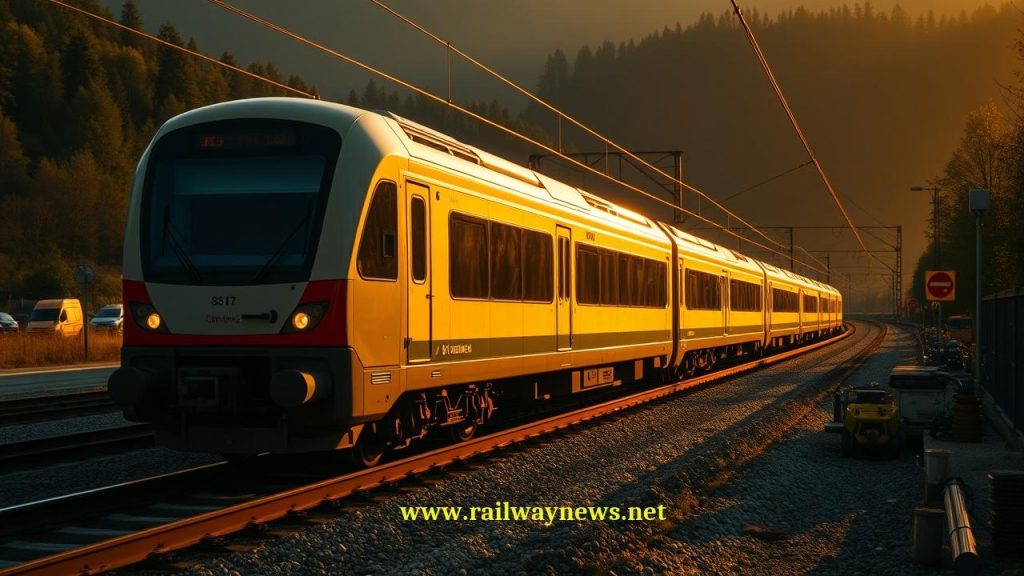
⚡ In Brief: Rolling stock owner Alpha Trains has completed a EUR 3 million modernization of 17 Siemens Desiro ML units for Germany’s MittelrheinBahn service, a project funded by public authorities to extend the fleet’s operational life and enhance passenger comfort.
WEGBERG-WILDENRATH, GERMANY – Alpha Trains, in partnership with Siemens Mobility and operator Trans Regio, has concluded the modernization of 17 Siemens Desiro ML multiple units. The final refurbished train for the MittelrheinBahn service was presented on May 5, 2026, marking the completion of a EUR 3 million investment by regional public transport authorities.
What Is the Full Scope of This Project?
The project involved the technical and aesthetic refurbishment of 17 three-car Desiro ML electric multiple units (EMUs) that have been in service since 2008. The stated goal was to enhance passenger comfort and extend the operational lifespan of the existing fleet, aligning with the current service contract effective from December 2023. The specific interior upgrades, such as the installation of Wi-Fi, new seating, or at-seat power outlets, were not disclosed in the announcement.
Key Project Data
| Parameter | Value |
|---|---|
| Project / Contract Name | MittelrheinBahn Desiro ML Fleet Modernization |
| Total Value | EUR 3 million (public funding portion) |
| Parties Involved | Alpha Trains, Siemens Mobility, Trans Regio, Rhineland-Palatinate & Rhineland transport authorities |
| Timeline / Completion | Completed May 5, 2026 |
| Country / Corridor | Germany / Cologne-Koblenz-Mainz |
How Does This Compare to Similar Projects?
The investment of EUR 3 million for 17 units equates to approximately EUR 176,500 per trainset. This figure contrasts with larger-scale refurbishment programs in Germany, which often involve more extensive technical overhauls. For instance, Deutsche Bahn’s “S-Bahn Stuttgart” modernization program for its Class 423 and 430 fleets has a budget of several hundred million euros to upgrade systems including passenger information displays and video surveillance, indicating a significantly deeper and more costly intervention per vehicle. The MittelrheinBahn project appears focused on targeted comfort and aesthetic improvements rather than a complete technical rebuild.
Editor’s Analysis
This project exemplifies a capital-efficient strategy of asset life extension, prioritizing passenger-facing improvements over costly new rolling stock procurement. While large-scale infrastructure projects like California’s high-speed rail command headlines with budgets in the hundreds of billions (Source: Newsweek, 2026), smaller, targeted investments like this deliver tangible benefits to existing customers quickly and sustainably. This approach of refurbishing older assets to meet modern standards is a growing trend across the transport sector, mirrored in industries like cruise shipping where older vessels are regularly updated to redefine their value proposition (Source: Travel Weekly, 2026).
FAQ
Q: What specific upgrades were made to the trains?
A: The announcement focused on general “enhanced passenger comfort” and aesthetic improvements. Specific details on new seating, passenger information systems, power outlets, or Wi-Fi availability were not provided.
Q: How old were the Desiro ML trains before this project?
A: The 17 Siemens Desiro ML multiple units have been in continuous service on the MittelrheinBahn network since 2008. The modernization extends the life of this 18-year-old fleet.
Q: Does this project replace the need for new trains entirely?
A: No, this modernization complements the existing fleet structure. In 2020, six new Siemens Mireo units were introduced by MittelrheinBahn to increase capacity, demonstrating a dual strategy of acquiring new stock for high-demand routes while refurbishing existing assets.

Railway infrastructure, rolling stock and transport technologies specialist focused on global rail industry developments, high-speed rail systems, signaling technologies and freight transportation. Covering railway investments, public transport modernization, rail operations and international mobility projects across Europe, Asia and North America.
RELATED POSTS

October 8, 2026 1:15 pm
Alstom secured a €1bn contract to build 13 automated trains,...

October 1, 2026 7:09 am
United States regulators confirmed a September 30 deadline for the...

October 8, 2026 12:18 pm
Siemens Mobility signed an agreement with VinSpeed to supply 350...

October 4, 2026 5:14 pm
Alstom secured a CA$4.7 billion order from VIA Rail Canada...

October 1, 2026 12:13 am
Illinois approved $1.5 billion annually for the Northern Illinois Transit...

October 5, 2026 6:12 pm
AECOM and Jacobs secured a contract in September 2026 to...