
Alstom Delivers 312 Metropolis Cars for Delhi Metro GoA 4
Alstom delivered 312 Metropolis metro cars and Urbalis Flo CBTC signalling for Delhi Metro Lines 7 and 8 GoA 4.
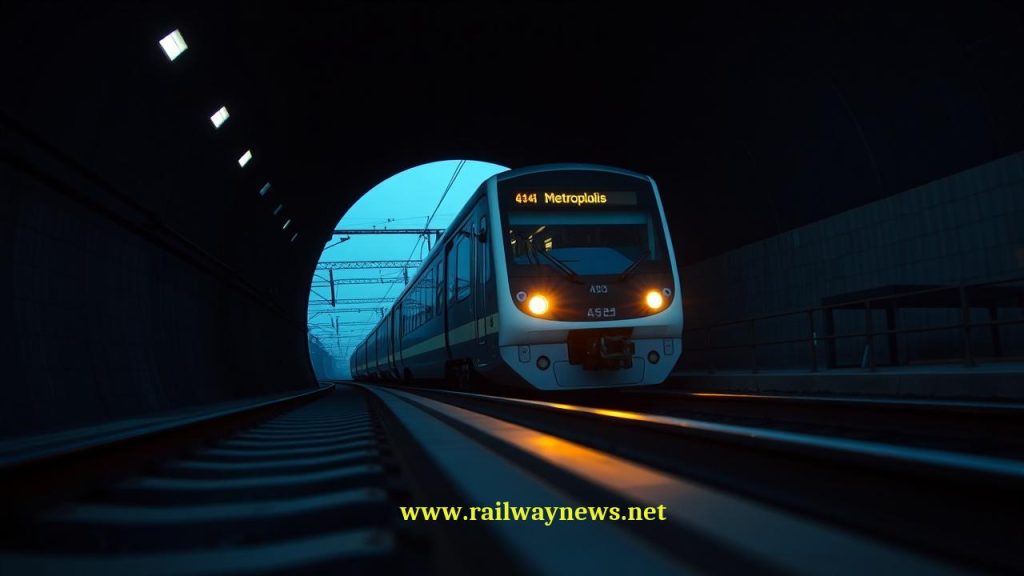
⚡ In Brief: Alstom has deployed its Urbalis Flo CBTC signalling and is supplying 312 Metropolis metro cars from its Sricity factory for the extension of Delhi Metro’s Lines 7 and 8, advancing the network’s Grade of Automation 4 driverless operations.
NEW DELHI, INDIA – Alstom has commissioned its signalling and train control systems for the newly opened extensions of Delhi Metro’s Line 7 (Pink Line) and Line 8 (Magenta Line). The project is part of Delhi Metro Rail Corporation’s Phase IV expansion and includes the supply of 312 metro cars under a €312 million contract. The new sections will enhance connectivity and support India’s first fully circular metro line with unattended train operation.
What Are the Technical Specifications?
The deployment includes Alstom’s Urbalis Flo Communications-Based Train Control (CBTC) system, which is designed to support Grade of Automation 4 (GoA 4) unattended train operations. The 312 Metropolis trainsets, fully manufactured at Alstom’s facility in Sricity, India, are designed for a maximum safe speed of 95 km/h and a standard operational speed of 85 km/h. The value of the rolling stock contract is €312 million, though a separate value for the signalling component was not disclosed.
Key Technical Data
| Parameter | Value |
|---|---|
| Technology / System Name | Alstom Urbalis Flo CBTC & Metropolis Trainsets |
| Total Value | €312 million (for 312 metro cars) |
| Parties Involved | Alstom, Delhi Metro Rail Corporation (DMRC) |
| Timeline / Completion | Revenue service commenced; full delivery timeline for all 312 cars not disclosed. |
| Country / Corridor | India / Delhi Metro Lines 7 & 8 |
Where Does This Technology Stand in the Market?
Alstom’s Urbalis Flo CBTC is a direct competitor to other major signalling systems used in high-density urban rail networks globally. Siemens Mobility’s Trainguard MT system, for example, is deployed on high-capacity driverless lines such as Paris Métro Line 14 and has been used to modernise the signaling on New York City’s Canarsie Line. Another key competitor, Thales, offers its SelTrac CBTC system, which is operational on networks including the Dubai Metro and London’s Jubilee and Northern lines, where it is credited with increasing line capacity by enabling shorter headways between trains.
While all three systems enable high levels of automation (GoA 2 to GoA 4), their market adoption varies by region. Alstom’s selection for the Delhi Metro project reinforces its strong position in the Indian market, which is expected to grow significantly as cities expand their metro networks. (Source: Alstom, Siemens Mobility, Thales Group, 2024).
Editor’s Analysis
This deployment solidifies Alstom’s role in India’s urban transit expansion, directly aligning with the government’s “Make in India” initiative through its Sricity manufacturing facility. The move towards GoA 4 driverless operation is a critical step for DMRC in boosting operational efficiency and frequency to manage Delhi’s growing ridership. This project reflects a broader trend in the Indian railway signalling market, which is increasingly focused on automation and domestic production to enhance national transport infrastructure. (Source: OpenPR, 2024).
FAQ
Q: What is Grade of Automation 4 (GoA 4)?
A: GoA 4 represents fully unattended train operation (UTO), where the train is automatically controlled without any staff on board. Functions like starting, stopping, door operation, and handling emergencies are managed remotely by the central control system.
Q: How many Alstom metro cars are in the Delhi Metro fleet?
A: With the completion of this Phase IV contract for 312 cars, Alstom will have delivered over 1,100 metro cars to the Delhi Metro network. The company has previously supplied more than 800 cars that are currently in service.
Q: Is the entire Delhi Metro network driverless?
A: No, only specific lines, including sections of the Pink Line (Line 7) and the Magenta Line (Line 8), are equipped for driverless operations. This project expands the network’s capability for GoA 4 operations on these designated corridors.

Railway infrastructure, rolling stock and transport technologies specialist focused on global rail industry developments, high-speed rail systems, signaling technologies and freight transportation. Covering railway investments, public transport modernization, rail operations and international mobility projects across Europe, Asia and North America.
RELATED POSTS

October 1, 2026 7:09 am
United States regulators confirmed a September 30 deadline for the...

October 4, 2026 5:14 pm
Alstom secured a CA$4.7 billion order from VIA Rail Canada...
October 6, 2026 2:14 am
Union Pacific launched export rail shipments with Ferromex to deliver...

October 1, 2026 12:13 am
Illinois approved $1.5 billion annually for the Northern Illinois Transit...

October 8, 2026 1:15 pm
Alstom secured a €1bn contract to build 13 automated trains,...

October 1, 2026 6:10 am
Amtrak approved a System Expansion Committee on July 30 to...