
GVB Launches €391 Million New Tram Procurement Amsterdam
GVB launched a €391 million tender for 75 new trams in Amsterdam, replacing 11G and 12G fleet components with first service in 2032.
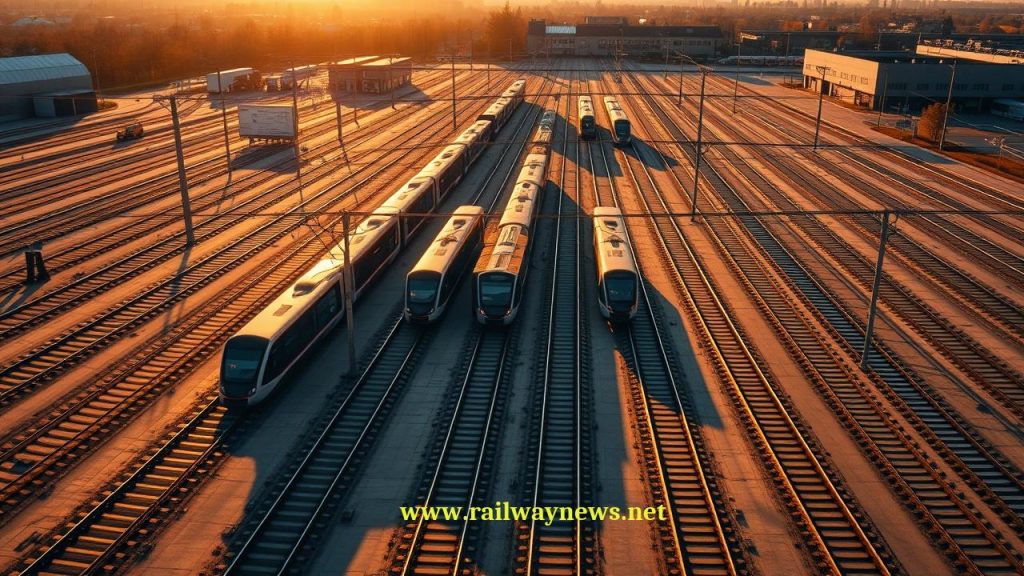
⚡ In Brief: Amsterdam’s transport operator GVB has launched a tender for 75 new trams, backed by a €391 million budget, with the first vehicle slated for service in 2032 to replace aging fleet components.
AMSTERDAM, NETHERLANDS – Amsterdam’s public transport operator, GVB, has officially launched a procurement tender for 75 new modern trams. The contract award is anticipated by the end of 2027, with the first unit scheduled to begin passenger service in 2032. The project is supported by a €391 million budget allocated by the Vervoerregio Amsterdam transport authority.
What Does This Contract Cover?
The tender covers the supply of 75 trams intended to replace approximately half of the city’s oldest “combi” fleet, specifically the 11G and 12G models from the early 1990s, which are nearing their end-of-life. Key requirements specified by GVB include improved reliability, easier maintenance, reduced noise and vibration, and enhanced accessibility and passenger comfort. The technical specifications, including vehicle length and capacity, were not detailed in the initial announcement.
Key Contract Data
| Parameter | Value |
|---|---|
| Contract Name | GVB New Tram Procurement |
| Total Value | €391 Million (Budget for 78 units) |
| Parties Involved | GVB (Operator), Vervoerregio Amsterdam (Transport Authority) |
| Timeline / Completion | Award by end-2027; First service in 2032 |
| Country / Corridor | Amsterdam, Netherlands |
How Does This Compare to Similar Contracts?
The Amsterdam order is consistent with other major European light rail fleet renewals in terms of scale and unit cost. Based on the allocated budget of €391 million for a planned 78 trams, the estimated cost per vehicle is approximately €5.01 million. This figure is comparable to Berlin’s framework agreement with Alstom, where transit operator BVG ordered up to 117 Flexity trams for €571 million in 2020, resulting in a unit cost of approximately €4.88 million. (Source: Alstom, 2020). The long lead time, with an award in 2027 for a 2032 service entry, also reflects current industry-wide manufacturing backlogs and extended testing and certification periods.
Editor’s Analysis
This tender highlights a strategic, phased approach to fleet modernization, balancing new acquisitions with life-extension programs for mid-life vehicles like the Siemens Combino trams. The emphasis on reduced noise and vibration signals a growing trend among urban authorities to mitigate the environmental and social impacts of public transport infrastructure, beyond just emissions. As seen in global metro investment trends, cities are increasingly willing to fund high-specification rolling stock to improve service quality and maintain the competitiveness of public transit. (Source: Railway Gazette, 2024).
FAQ
Q: Which specific trams are being replaced by this new order?
A: The 75 new trams are set to replace the oldest vehicles in the fleet, primarily the 11G and 12G “combi” articulated trams built in the early 1990s. The newer Siemens Combino and CAF Urbos trams will remain in service as part of GVB’s three-generation fleet strategy.
Q: What is the estimated cost per tram?
A: Based on the transport authority’s budget of €391 million for a related plan of 78 trams, the estimated cost is approximately €5.01 million per vehicle. The final contracted price per unit for the 75 trams has not been disclosed and will depend on the outcome of the tender process.
Q: Who are the likely bidders for this contract?
A: The list of official bidders has not been made public. However, major European rolling stock manufacturers such as Alstom, Siemens, CAF, and Stadler are expected to be potential contenders, given their established presence in the European light rail market.

Railway infrastructure, rolling stock and transport technologies specialist focused on global rail industry developments, high-speed rail systems, signaling technologies and freight transportation. Covering railway investments, public transport modernization, rail operations and international mobility projects across Europe, Asia and North America.
RELATED POSTS

October 1, 2026 7:09 am
United States regulators confirmed a September 30 deadline for the...

October 8, 2026 1:15 pm
Alstom secured a €1bn contract to build 13 automated trains,...

October 4, 2026 5:14 pm
Alstom secured a CA$4.7 billion order from VIA Rail Canada...

October 1, 2026 12:13 am
Illinois approved $1.5 billion annually for the Northern Illinois Transit...

October 4, 2026 11:08 pm
Sound Transit confirmed the September 30 opening of Seattle Pinehurst...
October 1, 2026 10:14 am
HS2 installed a 55-metre steel span in Birmingham, completing phase...