
Southeastern Invests £260,000 Automated Passenger System UK
Southeastern invested £260,000 in a Worldline automated passenger system, making it the first UK operator to notify passengers of planned schedule changes network-wide.
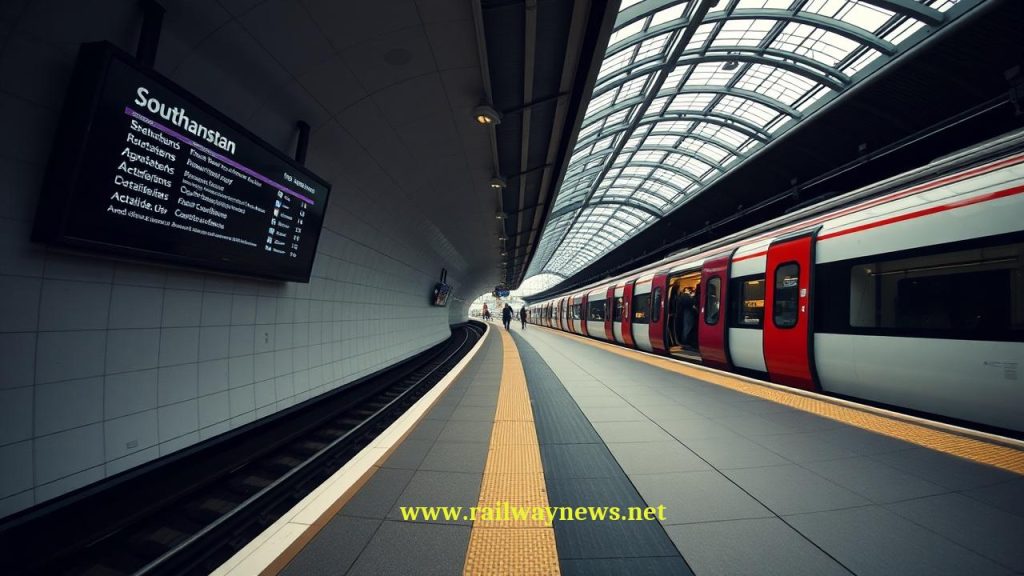
⚡ In Brief: Southeastern has invested GBP 260,000 in a new automated passenger information system from Worldline, becoming the first UK operator to automatically notify passengers of planned schedule changes across its entire network.
LONDON, UK – British rail operator Southeastern has deployed a new automated passenger notification system following a GBP 260,000 investment in its Worldline-provided platform. The system, now active across the entire Southeastern network, automatically generates custom messages for planned schedule changes, reducing information preparation time from days to seconds. This makes Southeastern the first UK operator to provide this level of automated information at both station and train levels.
What Are the Technical Specifications?
The system is an upgrade to Worldline’s existing Customer Information System (CIS) used by Southeastern. Its core function is to automatically compare new or temporary schedules against the existing timetable, identify discrepancies such as delays or cancellations, and generate plain-language alerts for displays and announcements. The upgrade also provides station staff with automated reports to handle passenger inquiries and can retain the last known train location data if live feeds are lost, preventing a revert to a generic “delayed” status.
Key Technical Data
| Parameter | Value |
|---|---|
| Technology / System Name | Automated Passenger Notification System (Worldline CIS Upgrade) |
| Total Value | GBP 260,000 |
| Parties Involved | Southeastern, Worldline |
| Timeline / Completion | Active (Development timeline not disclosed) |
| Country / Corridor | United Kingdom / Southeastern Network |
Where Does This Technology Stand in the Market?
Worldline’s Customer Information System (CIS) operates in a competitive market alongside major integrated rail technology providers like Siemens Mobility and Thales. Siemens’ “Controlguide” platform often integrates passenger information directly with train control and signalling, typically as part of large-scale infrastructure projects. Similarly, Thales’ “Aramis” system provides integrated traffic management and passenger information, focusing on real-time data processing for complex networks. This GBP 260,000 upgrade by Southeastern represents a targeted, software-focused enhancement of an existing system, contrasting with the multi-million-pound capital investment often required for a full-scale Siemens or Thales deployment.
Editor’s Analysis
This modest investment by Southeastern highlights a key industry trend: operators are prioritizing agile, high-impact software upgrades to improve passenger experience amidst challenging economic conditions. While the UK’s broader industrial construction sector has faced a significant downturn, with a 44% year-on-year decrease in project starts as of March 2026 (Source: Construction News), targeted technology deployments like this can deliver tangible benefits quickly and cost-effectively. The system’s potential for network-wide adoption via other Worldline clients could establish a new de facto standard for passenger communication in the UK.
FAQ
Q: Which other UK train operators could adopt this technology?
A: The system will be automatically available to other rail operators that use Worldline’s Customer Information System (CIS). The specific operators have not been named, but this infrastructure is used by several franchises across the UK network.
Q: What was the main problem with the old system?
A: Previously, creating custom messages for schedule changes was a manual process that took several days. This meant that only changes of two minutes or more were typically detailed, and there was a high risk of errors or omissions.
Q: Does this system only work for planned changes?
A: No, the system is designed to import new or temporary schedules automatically during periods of disruption. This allows it to provide faster, more accurate information during unforeseen events like severe weather or other last-minute operational issues.

Railway infrastructure, rolling stock and transport technologies specialist focused on global rail industry developments, high-speed rail systems, signaling technologies and freight transportation. Covering railway investments, public transport modernization, rail operations and international mobility projects across Europe, Asia and North America.
RELATED POSTS

October 1, 2026 7:09 am
United States regulators confirmed a September 30 deadline for the...

October 4, 2026 5:14 pm
Alstom secured a CA$4.7 billion order from VIA Rail Canada...

October 6, 2026 2:14 am
Union Pacific launched export rail shipments with Ferromex to deliver...

October 1, 2026 12:13 am
Illinois approved $1.5 billion annually for the Northern Illinois Transit...

October 1, 2026 6:10 am
Amtrak approved a System Expansion Committee on July 30 to...

October 1, 2026 3:12 am
Greenbrier confirmed Brian Comstock as new president and CEO effective...