
CN Reports First Annual Indigenous Reconciliation 2025 Progress
CN published its first annual progress report covering 2025 actions for its 2025-2027 Indigenous Reconciliation Action Plan in Canada.
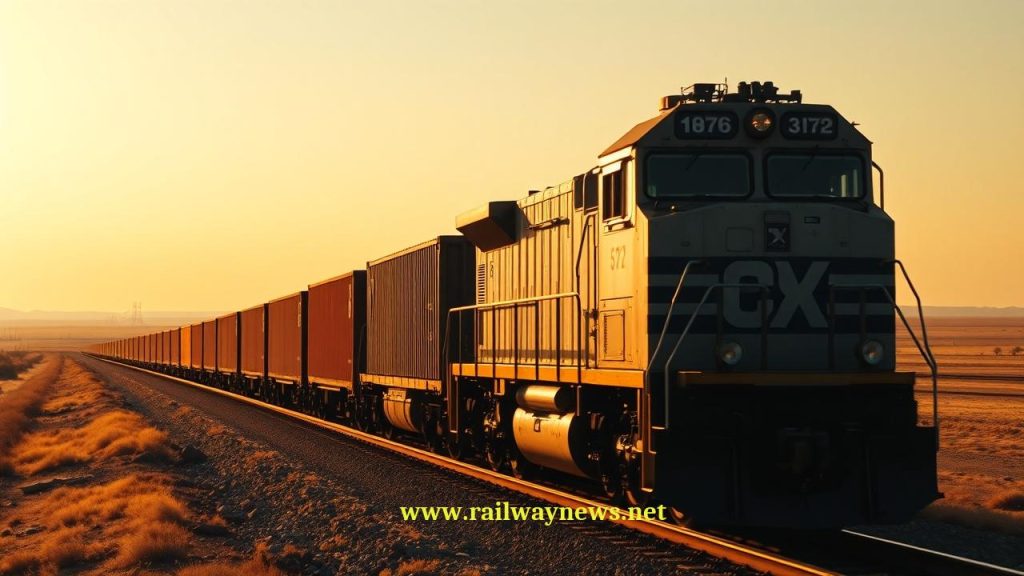
⚡ In Brief: Canadian National Railway (CN) has published its first annual progress report for its 2025-2027 Indigenous Reconciliation Action Plan, detailing initiatives across five key areas of its relationship with Indigenous communities in Canada.
MONTREAL, CANADA – CN this week released the inaugural annual report detailing progress on its 2025-2027 Indigenous Reconciliation Action Plan (IRAP). The report covers actions taken during 2025 to advance commitments made under the three-year plan. The IRAP itself was first announced by the railway in late 2024.
What Is the Full Scope of This Development?
The Indigenous Reconciliation Action Plan is a formal corporate strategy structured around five core pillars to improve CN’s relationship with Indigenous peoples. These pillars are: cultural awareness and employee engagement; people and employment; economic reconciliation; community engagement and relationships; and environmental stewardship, safety, and sustainability. The first annual report documents the specific actions and progress achieved against these commitments during the 2025 calendar year, with further action items scheduled for completion through 2027.
Key Development Data
| Parameter | Value |
|---|---|
| Company / Organisation | CN (Canadian National Railway) |
| Total Value | Not disclosed |
| Parties Involved | CN, Indigenous communities across the CN network |
| Timeline / Completion | Plan: 2025-2027; This report covers 2025 |
| Country / Corridor | Canada |
How Does This Compare to Industry Trends?
Directly comparable annual reports from other Class I railways on their specific reconciliation action plans were not publicly available at the time of publication. However, the creation of such plans aligns with a broader trend among major Canadian corporations, particularly in the infrastructure and natural resource sectors, to formalize their Environmental, Social, and Governance (ESG) commitments. These initiatives are often a direct response to the 94 Calls to Action issued by Canada’s Truth and Reconciliation Commission, which specifically called upon the corporate sector to adopt the United Nations Declaration on the Rights of Indigenous Peoples as a framework for reconciliation.
Editor’s Analysis
CN’s public reporting on its IRAP is a strategic move to address non-financial risk and strengthen its social license to operate across its vast network. While major railway investment trends in other markets, such as Europe, are currently focused on hard asset transactions totaling €14.65 billion in 2025 (Source: Global Asset Solutions), this initiative highlights the growing importance of social capital and stakeholder relations in the North American context. Proactively managing and reporting on Indigenous partnerships is becoming a critical component of long-term corporate strategy for infrastructure operators in Canada.
FAQ
Q: What are the main goals of CN’s Indigenous Reconciliation Action Plan?
A: The plan’s goals are organized into five categories: enhancing cultural awareness among employees, increasing Indigenous employment, promoting economic partnerships, strengthening community relationships, and collaborating on environmental stewardship and safety.
Q: How long is the action plan and when will the next report be?
A: The current IRAP is a three-year plan spanning 2025 to 2027. The next annual report, covering actions taken in 2026, is expected to be released in early 2027.
Q: Does this plan involve specific financial commitments to Indigenous communities?
A: The source article does not disclose specific financial figures associated with the plan’s commitments, focusing instead on the actions and strategic pillars. The pillar of “economic reconciliation” suggests financial components, but dollar amounts have not been made public.

Railway infrastructure, rolling stock and transport technologies specialist focused on global rail industry developments, high-speed rail systems, signaling technologies and freight transportation. Covering railway investments, public transport modernization, rail operations and international mobility projects across Europe, Asia and North America.
RELATED POSTS
September 6, 2026 5:19 am
Hitachi delivered Taiwan's first N700ST high-speed train from Japan in...

September 5, 2026 4:19 pm
CPK launched formal tender talks with four consortia to design...
September 5, 2026 7:14 pm
HS2 Ltd signed renegotiated civils contracts with EKFB and Align...

September 6, 2026 4:12 am
Alstom delivered the first of 100 new G Class trams...
September 6, 2026 6:17 am
Hungary ordered a national ban on most freight trains from...
September 6, 2026 1:17 am
Hitachi Toshiba Supreme Consortium confirmed the first of 12 N700ST...