
Czech Rail Modernization: Arriva & Škoda’s EMU Fleet Boost
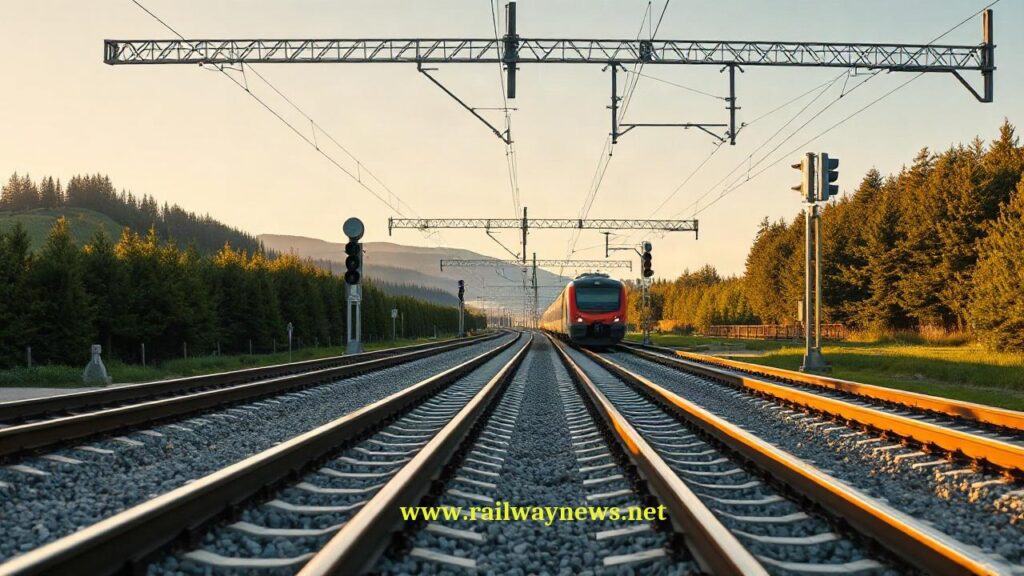
Arriva and Škoda to upgrade Czech rail with 22 new electric trains. New fleet for Prague-Pilsen-Cheb and Prague-Beroun lines, starting Dec 2028.
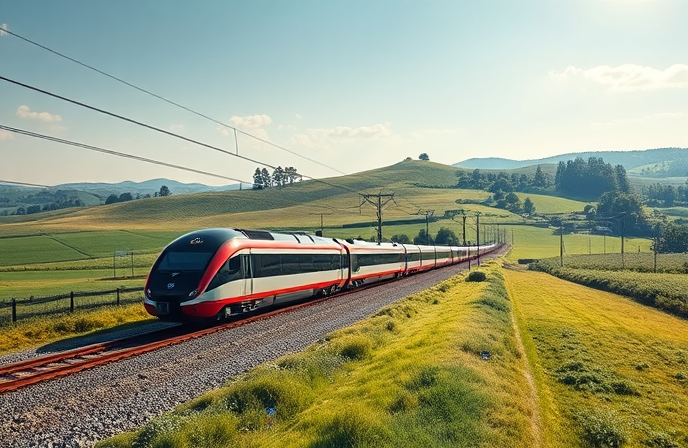
Arriva Group and Škoda to Revitalize Czech Rail Network with New Electric Train Fleet
In a move set to modernize and enhance passenger rail services, Arriva Group and Škoda Group have inked a significant EUR 300 million (approximately CZK 7 billion) contract for the supply of 22 new electric multiple units (EMUs) for the Czech Republic. This landmark agreement, announced recently, will see the deployment of the new trains on the Ex6 (Prague–Pilsen–Cheb) and R16 (Prague–Beroun–Pilsen–Klatovy / Železná Ruda) lines in Western Bohemia, commencing December 2028. The investment, stemming from a 15-year, EUR 750 million contract awarded to Arriva by the Czech Ministry of Transport, aims to deliver a superior passenger experience, cut journey times, and promote a shift away from private car use. This article will explore the features of the new fleet, the technical specifications, and the broader implications for the Czech railway network.
Advanced Train Specifications and Fleet Composition
The order encompasses a total of 22 low-floor EMUs, designed for a maximum operational speed of 200 km/h. Škoda will supply 16 three-car and 6 four-car EMUs. The three-car variant, offering 224 seats, will primarily serve the R16 line and provide supplementary capacity for the Ex6 line. These units will be equipped with expanded bicycle storage and vending machines for enhanced passenger convenience. The four-car EMUs, designated for the Ex6 line, will feature 315 seats, including a dedicated first-class car, and a bistro section. The new trains will be constructed on the Škoda 26Ev platform, adaptable for interregional and long-distance routes with configurations from three to seven cars. They are designed as dual-system trains, capable of operating on 3 kV DC and 25 kV AC power supplies, with potential for modification for 15 kV AC systems, as used in Germany. The bogies are designed for speeds up to 230 km/h, ensuring the fleet can manage future high-speed rail lines within the Czech Republic and other countries.
Commitment to Passenger Comfort and Accessibility
Passenger comfort and accessibility are central to the design of these new EMUs. The trains will feature powerful air conditioning, a modern passenger information system, and Wi-Fi connectivity, along with power sockets for charging electronic devices. Internal and external camera systems will enhance safety, and level boarding with a low-floor interior will ensure comfortable access for passengers with reduced mobility. Barrier-free toilets are another critical feature. The focus on modern amenities and universal accessibility reflects Arriva’s commitment to providing an inclusive and enjoyable travel experience for all passengers. The new trains’ advanced digital systems will include Automatic Train Operation (ATO) systems and European Train Control System (ETCS), further enhancing operational efficiency and safety.
Economic Impact and Local Sourcing Strategy
Arriva’s investment demonstrates a commitment to supporting local economic growth. Approximately 80% of the supply chain for the new fleet will be sourced within the Czech Republic, fostering strong local partnerships and generating regional economic benefits. This local focus underscores Arriva’s strategic approach to operating in the Czech rail market, building on the successful introduction of electric trains in the Pilsen region in 2023. The company’s continued investment in the Czech Republic reinforces its long-term commitment to the region. Arriva entered the Czech rail market in 2013 and has become a major player, employing over 3,500 people, operating over 1,800 buses and 100 trains, and serving millions of passengers annually.
Technological Advancements and Safety Features
The Škoda 26Ev platform introduces advanced technologies, incorporating robust safety measures. These EMUs are designed to meet stringent requirements for passenger comfort, pressure resistance, and fire safety, making them suitable for operation on high-speed lines and in tunnel sections exceeding 5 km in length. The integration of ATO and ETCS systems enhances operational efficiency and promotes safety through standardized train control. Additionally, the focus on advanced digital systems signifies a move towards a smarter, more integrated rail network, equipped for the evolving demands of passenger transport.
Conclusion
The collaboration between Arriva Group and Škoda marks a significant advancement in the Czech Republic’s railway infrastructure, aiming to deliver enhanced passenger experiences and stimulate a modal shift towards rail transport. The new EMUs offer increased capacity, improved comfort, and advanced technological features, aligning with the nation’s goal of modernizing its rail network. The reliance on locally sourced components amplifies the positive economic impact, bolstering the Czech rail industry. The integration of advanced safety systems and passenger-centric amenities reflects a growing trend in the industry of prioritizing both operational efficiency and user experience. Looking ahead, this investment signals Arriva’s ongoing commitment to the Czech Republic and is expected to further strengthen the company’s position in the rapidly evolving European rail market. This initiative highlights the industry’s shift towards greener and more sustainable transport options, aligning with broader environmental goals and potentially inspiring similar investments across other regions.
Company Summary
Arriva Group is a leading pan-European transport provider operating bus, rail, and other transport services in 14 countries. With a focus on innovation and sustainability, Arriva has a significant presence in the Czech Republic’s transportation sector, contributing to improving public transit and fostering economic development. Škoda Group is a prominent European manufacturer of railway vehicles, known for producing high-quality trains, trams, and other transportation equipment. It plays a crucial role in the modernization and expansion of railway networks across Europe and beyond.

Railway infrastructure, rolling stock and transport technologies specialist focused on global rail industry developments, high-speed rail systems, signaling technologies and freight transportation. Covering railway investments, public transport modernization, rail operations and international mobility projects across Europe, Asia and North America.
RELATED POSTS
September 6, 2026 5:19 am
Hitachi delivered Taiwan's first N700ST high-speed train from Japan in...

September 5, 2026 4:19 pm
CPK launched formal tender talks with four consortia to design...
September 6, 2026 6:17 am
Hungary ordered a national ban on most freight trains from...
September 6, 2026 1:17 am
Hitachi Toshiba Supreme Consortium confirmed the first of 12 N700ST...
September 6, 2026 8:17 am
DB InfraGO reopened the Nuremberg-Regensburg line in Bavaria on 31...
September 7, 2026 8:16 am
Midea, Gree and TCL shipped air conditioners via China Railway...