
Singapore SPLRT: New LRVs & Capacity Boost for Urban Rail
Singapore’s Sengkang-Punggol LRT gets new, larger trains, boosting capacity. New LRVs arrive July 2025, part of a fleet modernization program.
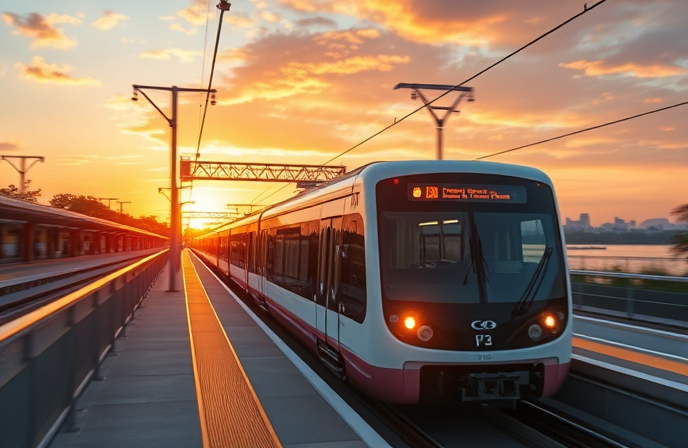
Singapore’s Sengkang-Punggol LRT Set for Capacity Boost with New LRVs
The Land Transport Authority (LTA) of Singapore has announced a significant upgrade to the Sengkang-Punggol Light Rail Transit (SPLRT) system, signalling a move towards enhanced passenger capacity and modernised operations. The first two of 25 new third-generation two-car Light Rail Vehicles (LRVs) will begin passenger service on July 15, 2025, on the Punggol West and Punggol East Loops. This initiative, manufactured by Mitsubishi Heavy Industries in Mihara, Japan, is a key part of a wider fleet renewal programme designed to replace older rolling stock and accommodate growing ridership demands. The phased rollout, beginning with weekend operations, will allow for thorough performance monitoring before the new LRVs fully integrate into weekday services later in July. This article will delve into the specifics of the new vehicles, the associated infrastructure upgrades, and the implications of this substantial investment in Singapore’s urban rail network.
Fleet Modernisation and Capacity Expansion
The introduction of the new third-generation LRVs represents a decisive step in upgrading the SPLRT. These 25 new vehicles, alongside the existing eight second-generation two-car LRVs, will ultimately replace the original fleet of 25 one-car and eight two-car first-generation vehicles. The remaining 23 new LRVs will be progressively rolled out from the third quarter of 2025, following rigorous testing and commissioning. This fleet enhancement will culminate in a total of 33 two-car vehicles operating on the SPLRT by the end of 2028. This expansion is pivotal, promising a substantial increase in the system’s overall passenger capacity, thereby improving its capability to manage rising demand and maintain service efficiency across the line.
Passenger Experience and Technological Advancements
Passengers will benefit from a significantly improved travel experience with the new LRVs. The enhancements include several passenger-friendly upgrades. Ergonomic seating promises enhanced comfort, while brighter and more energy-efficient LED lighting creates a more inviting environment. Clearer LCD passenger information displays will enhance in-carriage communication. The incorporation of illuminated door-closing indicators will improve safety and offer improved passenger guidance, particularly at station platforms. Additionally, the upgrades include enhancements to the air-conditioning systems for a consistent and comfortable in-carriage environment. Operationally, the new LRVs are equipped with a touch-screen onboard diagnostic panel, designed to accelerate fault detection and facilitate more streamlined maintenance procedures. This technological leap allows for proactive intervention and minimises service disruptions. Staff will benefit from improved accessibility to onboard equipment for faster maintenance.
Safety and Emergency Preparedness
Safety is a core priority in the design of the third-generation LRVs. Each vehicle is equipped with inter-car doors, offering a critical safety measure by enabling quicker and safer passenger evacuations in the event of an emergency. This design facilitates rapid response and reduces the potential for passenger congestion during crisis scenarios. The incorporation of inter-car doors reflects a commitment to providing a safer and more secure transit environment for all passengers, reinforcing the overall reliability and resilience of the system.
Infrastructure Upgrades: Depot Expansion and Power Enhancements
To support the expanded fleet, the SPLRT depot is undergoing a major expansion. This critical infrastructure upgrade will enlarge the depot from 3.5 to 11.1 hectares, creating new stabling and maintenance areas. The development includes the installation of two new reception tracks, which will reduce LRV launch times, enhancing operational efficiency. Additionally, three additional traction power substations are being installed to meet the increased energy demands of the two-car vehicles. The depot expansion is on schedule for completion by 2027, and it is a crucial element in maintaining high service frequencies and enhancing the overall reliability of the SPLRT system. The LTA has also acknowledged that some service adjustments may be required to facilitate construction works, with further details to be released in due course.
Conclusion
The introduction of the new third-generation LRVs marks a significant milestone in the evolution of Singapore’s urban rail infrastructure. The increased passenger capacity, enhanced passenger experience, and technological advancements embodied by these new vehicles are set to address the growing demands on the SPLRT system. The detailed upgrades, including the depot expansion and power enhancements, demonstrate a long-term investment in the system’s future. Additionally, LTA’s commitment to repurposing the first-generation vehicles for community projects highlights a proactive approach to sustainability within the transport sector. This initiative sets a benchmark for other transit systems considering fleet modernisation, balancing enhanced functionality with sustainability efforts. The phased rollout of the new LRVs, beginning in July 2025, and the scheduled completion of the depot expansion in 2027, indicate a carefully planned strategy, guaranteeing a seamless transition and continued improvements in service quality. The upgrades also demonstrate that Singapore is at the forefront of intelligent railway development, offering an enhanced experience for passengers and staff alike, ultimately positioning the SPLRT as a sustainable and efficient urban transport solution.

Railway infrastructure, rolling stock and transport technologies specialist focused on global rail industry developments, high-speed rail systems, signaling technologies and freight transportation. Covering railway investments, public transport modernization, rail operations and international mobility projects across Europe, Asia and North America.
RELATED POSTS

October 8, 2026 1:15 pm
Alstom secured a €1bn contract to build 13 automated trains,...

October 1, 2026 7:09 am
United States regulators confirmed a September 30 deadline for the...

October 4, 2026 5:14 pm
Alstom secured a CA$4.7 billion order from VIA Rail Canada...

October 1, 2026 12:13 am
Illinois approved $1.5 billion annually for the Northern Illinois Transit...

October 5, 2026 1:13 pm
New York MTA confirmed a late 2026 DEIS release for...

October 6, 2026 9:17 am
Illinois approved $1.1M in state funds to upgrade two McHenry...