
Waterloo Station: A Modern Vision, 2024 and Beyond
London Waterloo Station’s future vision aims to enhance passenger flow, accessibility, sustainability, and integration into the urban environment through a comprehensive redevelopment plan that includes improved infrastructure, technological enhancements, enhanced public spaces, and accessibility improvements while maintaining its status as a world-class transport facility.
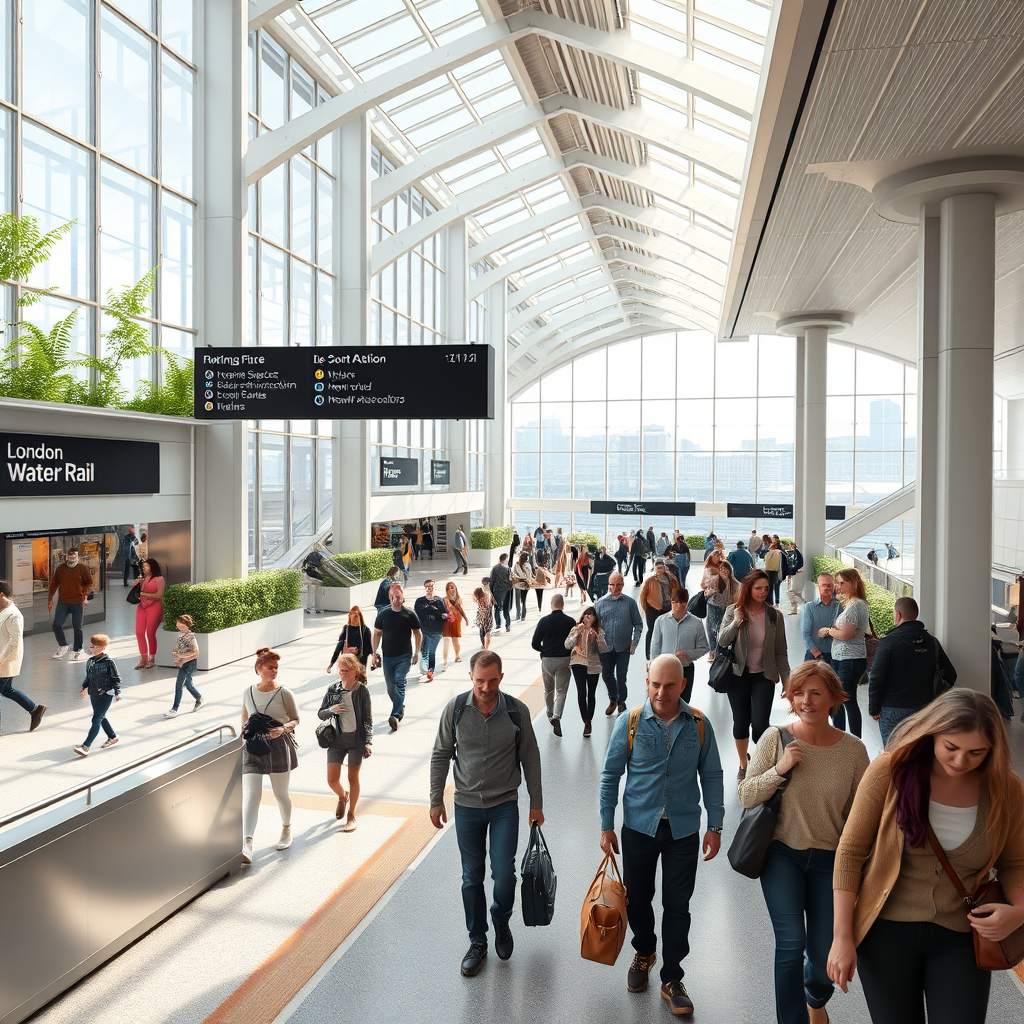
London Waterloo Station: A Vision for the Future
London Waterloo station, a vital transportation hub in the heart of London, serves over 57 million passengers annually. This immense passenger volume necessitates continuous evolution to maintain its status as a world-class transport facility and effectively meet the demands of both current and future users. This article explores Network Rail’s ambitious long-term vision for the station’s redevelopment, focusing on its key aspects: improved passenger flow, enhanced accessibility, increased sustainability, and the integration of the station into the surrounding urban environment. The collaborative effort between Network Rail, Lambeth Council, and various stakeholders highlights a commitment to creating a truly modern and efficient transportation hub that serves the needs of the community and the millions who rely on it daily. This plan tackles not only infrastructural improvements but also focuses on improving the overall passenger experience, addressing issues of accessibility and integrating the station seamlessly into the surrounding urban fabric. The following sections will delve into the specific elements of this transformative project.
Enhanced Passenger Flow and Accessibility
The core of Network Rail’s plan centers on improving passenger flow and accessibility. The proposed redevelopment includes a new concourse, significantly increasing the station’s capacity and reducing congestion, particularly during peak hours. A redesigned northern entrance will improve wayfinding and access points, easing the movement of passengers through the station. Beyond physical improvements, the integration of advanced technologies such as improved digital signage and real-time information displays will enhance the overall passenger experience and assist with wayfinding. This commitment to improved accessibility extends beyond simply increasing space; it includes plans to make the station more inclusive for all passengers, including those with disabilities, through improved signage, ramps, elevators, and other accessibility features.
Sustainable Design and Integration with the Urban Landscape
The vision for Waterloo extends beyond mere infrastructural improvements; it incorporates a strong emphasis on sustainability. The plans incorporate the creation of enhanced public and green spaces, improving the aesthetic appeal of the station and providing passengers with welcoming areas to relax or wait for their trains. The design incorporates principles of sustainable building practices, aiming to reduce the station’s environmental impact. Additionally, the integration of improved active travel connections, such as cycling and pedestrian routes, encourages sustainable modes of transport to and from the station, furthering the commitment to environmental responsibility. This holistic approach considers not only the station itself but also its role within the broader urban context.
Commercial Opportunities and Community Engagement
The redevelopment plan also incorporates the creation of new workspace, retail, and leisure opportunities within the station. This strategy not only generates revenue to support the project but also enhances the station’s functionality, transforming it into a vibrant community hub. The collaborative nature of the project, involving Lambeth Council, local organizations (such as the South Bank Employers’ Group, South Bank BID, and We Are Waterloo), and developers (HB Reavis, Bourne Capital, LCR, and SB Royal Holdings), demonstrates a commitment to community engagement and ensures the project aligns with the needs and aspirations of the local area. This participatory approach ensures that the station’s redevelopment benefits the surrounding community and becomes a valuable asset for the entire region.
Conclusion
Network Rail’s vision for the future of London Waterloo station represents a significant undertaking, aiming to transform a crucial transport hub into a modern, sustainable, and accessible facility. The proposed improvements, encompassing enhanced passenger flow, improved accessibility, sustainable design features, and integrated commercial opportunities, collectively address the challenges posed by the station’s current high passenger volume and future growth projections. The collaborative approach, engaging local councils, community organizations, and developers, ensures the project reflects the needs and aspirations of the local community. The focus on integrating the station seamlessly into the surrounding urban environment, with the addition of green spaces and improved active travel connections, demonstrates a commitment to sustainable development and community engagement. The successful implementation of this vision will not only improve the passenger experience for millions of commuters daily but also contribute to the economic and social vitality of the South Bank area. The project highlights a holistic and forward-thinking approach to urban transportation planning, balancing the needs of passengers with the wider interests of the community and environment. While significant work remains, including securing funding, the detailed planning and collaborative effort signal a promising future for London Waterloo station, solidifying its position as a world-class transportation hub for decades to come. The successful execution of this vision will ensure Waterloo station remains a critical component of London’s transport infrastructure, serving the needs of its citizens and contributing to the city’s continued growth and prosperity.

Railway infrastructure, rolling stock and transport technologies specialist focused on global rail industry developments, high-speed rail systems, signaling technologies and freight transportation. Covering railway investments, public transport modernization, rail operations and international mobility projects across Europe, Asia and North America.
RELATED POSTS

September 5, 2026 4:19 pm
CPK launched formal tender talks with four consortia to design...

September 6, 2026 4:12 am
Alstom delivered the first of 100 new G Class trams...

September 5, 2026 7:14 pm
HS2 Ltd signed renegotiated civils contracts with EKFB and Align...
September 5, 2026 6:17 pm
Universal Signalling won a deal to install its U-Cross system...
September 6, 2026 8:17 am
DB InfraGO reopened the Nuremberg-Regensburg line in Bavaria on 31...
September 7, 2026 11:16 pm
China Railway Tunnel Group completed the 11.3-km underwater Yangtze tunnel...