
Amtrak Opens East River Tunnel Line 2 In New York City
Amtrak launched passenger rail operations on Line 2 of the East River Tunnels in New York City in 2025, completing the first of 4 tube overhauls.
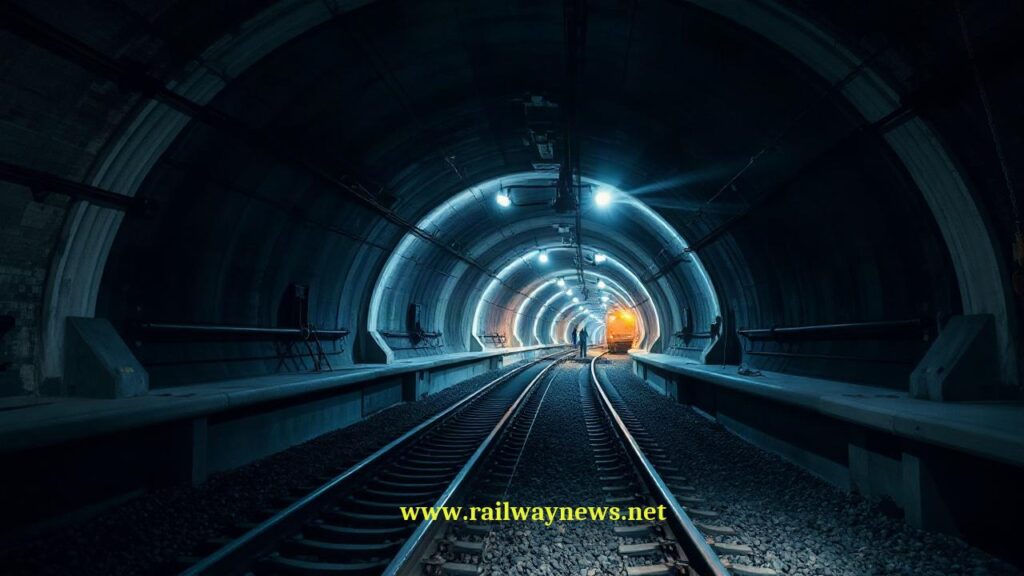
⚡ In Brief: Amtrak, STV, and Artheon have returned Line 2 of the East River Tunnels to service in New York City, marking the completion of the first of 4 passenger rail tubes undergoing multi-year rehabilitation.
NEW YORK, UNITED STATES – Amtrak, alongside construction management joint-venture partners STV and Artheon, reopened Line 2 of the East River Tunnels to revenue rail traffic in early 2025 following structural rehabilitation works executed by contractor Skanska. The tube is the first of 4 East River rail tunnels to complete renewal, restoring vital capacity between Manhattan and Queens for Amtrak, MTA Long Island Rail Road, and New Jersey Transit. Passenger services operated without corridor-wide shutdowns by routing traffic through the remaining 3 active tubes during trackbed and bench wall reconstruction.
What Is the Full Scope of This Project?
The East River Tunnel Rehabilitation Project entails the complete structural and systems overhaul of 4 subterranean tubes linking Penn Station to Sunnyside Yard. Line 2 required structural concrete renewal, track structure replacement, drainage system modernization, and traction power modifications following historical flood damage. Engineering teams maintained continuous 24-hour inspections throughout civil works to verify tunnel stability while parallel tubes sustained heavy rail movements. Project phases will now transition to the remaining damaged bores to modernize mechanical systems, traction power apparatus, and corridor signaling interfaces.
Key Project Data
| Parameter | Value |
|---|---|
| Project / Contract Name | East River Tunnel Rehabilitation Project (Line 2 Tube) |
| Total Value | Not disclosed (specific contract value for Line 2 was not isolated) |
| Parties Involved | Amtrak, STV Inc., Artheon Inc., Skanska, MTA Long Island Rail Road, New Jersey Transit |
| Timeline / Completion | Line 2 completed 2025; multi-tube program ongoing |
| Country / Corridor | United States / Northeast Corridor (New York City) |
How Does This Compare to Similar Projects?
Complex rail revitalizations on major transit corridors require specialized contract delivery models to manage disruption. In France, transport authorities enforced a complete 10-year rail shutdown before finalizing a 2025 reopening serviced by hydrogen trainsets, adopting a full-closure strategy that stands in stark contrast to Amtrak’s live-corridor operational phasing (Source: Railway Pro, 2024). In Canada, regional transit agency Metrolinx adjusted its contracting models for the Ontario Line and Finch West LRT after delivery challenges and commercial disputes on the Eglinton Crosstown LRT highlighted the risks of misallocated construction liabilities in underground transit construction (Source: The Globe and Mail, 2024). Independent verification of the exact civil delivery costs for the single Line 2 tube was not available at time of publication.
Editor’s Analysis
The successful return of Line 2 establishes that high-volume commuter arteries can execute heavy subterranean rebuilding without triggering complete urban transit shutdowns. European and North American infrastructure operators are prioritizing digital signaling integration and structural overhauls on aging assets rather than greenfield construction (Source: Rail Market, 2025). The remaining tunnel tubes will demonstrate whether Amtrak and its delivery partners can maintain this staging discipline across subsequent closures without creating chronic delays on the Northeast Corridor.
FAQ
Q: Which passenger rail operators run through the East River Tunnels?
A: The corridor accommodates Amtrak intercity trains, MTA Long Island Rail Road commuter services, and non-revenue transit equipment moves operated by New Jersey Transit. These 4 tubes serve as the sole direct rail connection from Long Island into Penn Station.
Q: What was the specific financial expenditure for the Line 2 package?
A: The stand-alone contract cost for the Line 2 tube works was not disclosed by project sponsors. The overall East River Tunnel renewal program draws on federal capital grants that exceed $1 billion across all phases.
Q: Did passenger rail services shut down during the Line 2 reconstruction?
A: Scheduled trains continued operating because dispatchers redirected rail movements into the 3 adjacent tunnel tubes. Service patterns were altered, but full line suspensions were avoided throughout the heavy civil reconstruction phase.

Railway infrastructure, rolling stock and transport technologies specialist focused on global rail industry developments, high-speed rail systems, signaling technologies and freight transportation. Covering railway investments, public transport modernization, rail operations and international mobility projects across Europe, Asia and North America.
RELATED POSTS

October 8, 2026 1:15 pm
Alstom secured a €1bn contract to build 13 automated trains,...

October 1, 2026 7:09 am
United States regulators confirmed a September 30 deadline for the...

October 4, 2026 5:14 pm
Alstom secured a CA$4.7 billion order from VIA Rail Canada...

October 8, 2026 12:18 pm
Siemens Mobility signed an agreement with VinSpeed to supply 350...

October 1, 2026 12:13 am
Illinois approved $1.5 billion annually for the Northern Illinois Transit...

October 6, 2026 2:14 am
Union Pacific launched export rail shipments with Ferromex to deliver...