
UP’s Metro Rail Expansion: A Transformative Investment
Expanding rail transit in Uttar Pradesh, India through an ambitious project that includes several key cities like Gorakhpur, Varanasi, Prayagraj, Jhansi, Meerut, and Bareilly, aims to address growing transportation needs, improve connectivity, and stimulate economic growth while adapting solutions to specific urban contexts.
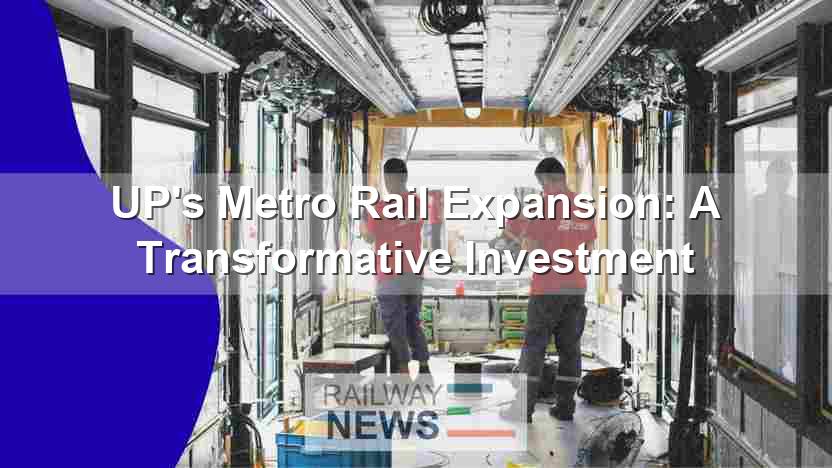
Uttar Pradesh (UP), India’s most populous state, is undertaking an ambitious expansion of its metro rail network. This initiative aims to address the growing transportation needs of its rapidly urbanizing cities, improve connectivity, and stimulate economic growth. The plan encompasses the development of metro systems in several key cities, including Gorakhpur, Varanasi, Prayagraj, Jhansi, Meerut, and Bareilly. This expansion is not merely an increase in capacity; it represents a strategic investment in sustainable, efficient, and modern urban transit. The project highlights the crucial role of international financial institutions like the European Investment Bank (EIB) in supporting large-scale infrastructure development in emerging economies. Additionally, the adoption of various transit technologies, including Metro Lite systems, demonstrates a commitment to adapting solutions to the specific needs and contexts of individual cities. This article will explore the key aspects of this expansion, focusing on the technical considerations, financial strategies, and the broader socio-economic implications for the state of Uttar Pradesh.
The Gorakhpur Metro Lite Project: A Case Study
The Gorakhpur Metro Lite project serves as a prime example of the UP government’s commitment to expanding rail transit. This 15.14km elevated line, featuring 14 stations, will connect key areas such as Gorakhpur railway station, Gorakhnath Mandir, Gorakhpur University, and the newly established AIIMS hospital. The project’s estimated cost is INR 26.7 billion ($345.7 million), and its design prioritizes cost-effectiveness and efficient implementation. The choice of a Metro Lite system—a lighter, more affordable system than a full-fledged metro—demonstrates a practical approach to addressing the specific transportation challenges of Gorakhpur. The project has secured approval from the state cabinet and the Public Investment Board (PIB), and is currently awaiting Union Cabinet approval. The European Investment Bank (EIB) has expressed strong interest in providing funding for this vital project.
Financing and International Collaboration
The expansion of the UP metro network relies heavily on securing adequate funding. The EIB’s involvement highlights the potential for leveraging international financing mechanisms to support ambitious infrastructure projects. The EIB has a proven track record of funding metro projects in India, including those currently underway in Kanpur and Agra. This international collaboration not only provides financial resources but also brings in expertise and best practices in project management and implementation. The successful execution of these projects will create a strong case for attracting further international investment in future phases of the UP metro expansion.
Detailed Project Reports (DPRs) and Future Planning
The UP government has initiated the preparation of Detailed Project Reports (DPRs) for the proposed metro projects in Varanasi, Prayagraj, Jhansi, and Meerut. These DPRs are crucial for detailed planning, cost estimation, and risk assessment. A separate DPR is also being prepared for a Metro Neo project in Bareilly. The development of detailed DPRs underlines the government’s commitment to a systematic and phased approach to expanding the metro network. This meticulous planning ensures that each project is tailored to the specific needs and characteristics of the target city.
Strategic Implications and Socio-Economic Impact
The expansion of the metro rail network in Uttar Pradesh is not just about improving transportation. It is a strategic investment with far-reaching socio-economic consequences. Improved connectivity will stimulate economic growth by facilitating easier movement of people and goods. This will positively impact employment opportunities, access to education and healthcare, and overall quality of life. The project also aligns with the government’s broader goals of sustainable urban development and environmentally friendly transportation solutions. The creation of new jobs during construction and operation will further boost the local economy. The long-term benefits include reduced traffic congestion, improved air quality, and a more sustainable urban environment.
Conclusion
The expansion of metro rail services in Uttar Pradesh represents a significant undertaking with substantial implications for the state’s future. The Gorakhpur Metro Lite project, financed in part by the European Investment Bank (EIB), serves as a model for the planned expansion to other cities including Varanasi, Prayagraj, Jhansi, Meerut, and Bareilly. The commitment to developing Detailed Project Reports (DPRs) for each project underscores a thorough and planned approach to this ambitious infrastructure development. This strategy not only improves urban mobility and reduces traffic congestion, but also has profound socio-economic impacts, stimulating economic growth, creating employment, and enhancing the quality of life for millions of residents. The successful implementation of this plan will showcase the transformative potential of strategic infrastructure investments, setting a strong precedent for future urban development initiatives in India and beyond. The collaboration with international financial institutions like the EIB highlights the importance of global partnerships in addressing the challenges of rapid urbanization and sustainable infrastructure development in emerging economies. The meticulous planning, phased implementation, and strategic partnerships involved in this project promise a significant positive impact on the state’s future, demonstrating Uttar Pradesh’s commitment to modern, efficient, and sustainable urban transport.

Railway infrastructure, rolling stock and transport technologies specialist focused on global rail industry developments, high-speed rail systems, signaling technologies and freight transportation. Covering railway investments, public transport modernization, rail operations and international mobility projects across Europe, Asia and North America.
RELATED POSTS

October 8, 2026 1:15 pm
Alstom secured a €1bn contract to build 13 automated trains,...

October 1, 2026 7:09 am
United States regulators confirmed a September 30 deadline for the...

October 8, 2026 12:18 pm
Siemens Mobility signed an agreement with VinSpeed to supply 350...

October 4, 2026 5:14 pm
Alstom secured a CA$4.7 billion order from VIA Rail Canada...

October 5, 2026 6:12 pm
AECOM and Jacobs secured a contract in September 2026 to...

October 4, 2026 11:08 pm
Sound Transit confirmed the September 30 opening of Seattle Pinehurst...