
Siemens Mobility Upgrades UK Rail: £61M Digital Boost
Siemens completed £61M digital signalling upgrades across the UK rail network, boosting capacity and reliability with ETCS technology for passengers and freight.
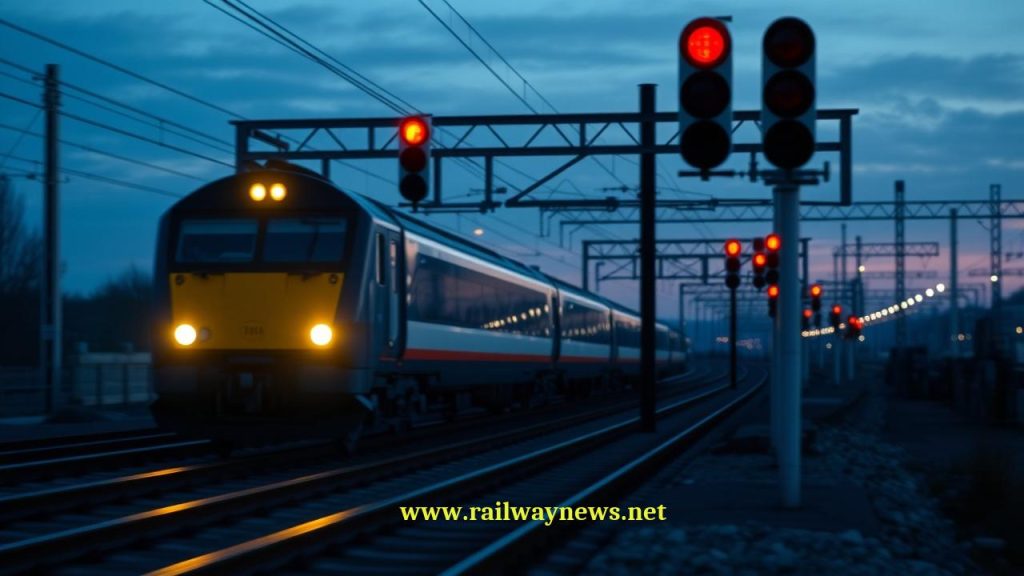
LONDON, UK – Siemens Mobility has successfully completed a series of critical digital signalling and infrastructure upgrades across the UK rail network, including a £61 million project to modernise one of the nation’s busiest corridors. The work, conducted over the Christmas and New Year period, advances the UK’s national strategy to create a more reliable, high-capacity railway for both passengers and freight by deploying future-proof European Train Control System (ETCS) technology.
| Category | Details |
|---|---|
| Lead Contractor | Siemens Mobility UK&I |
| Key Investment | £61 million for digital signalling on a major corridor |
| Core Technology | Digital Signalling, European Train Control System (ETCS) |
| Project Locations | Transpennine Route, East Coast Main Line, and other key corridors |
| Key Partners | Network Rail, Govia Thameslink Railway (GTR), Grand Central |
Siemens Mobility announced the successful delivery of multiple complex engineering projects during the recent holiday blockade, reinforcing the UK’s commitment to network modernisation. The upgrades are designed to replace life-expired infrastructure with cutting-edge digital systems, enhancing safety and performance. Matt Kent, Director of Operations and Manufacturing at Siemens Mobility UK&I, praised the teams involved, stating, “Delivering on our commitments safely, reliably and to budget, is fundamental to the trust our customers and partners place in us… These projects mark an important step forward in modernising Britain’s railways as part of our mission to transform rail travel for passengers and freight operators.”
At the heart of the upgrades is the deployment of technology fully compatible with the European Train Control System (ETCS), the signalling and control component of the European Rail Traffic Management System (ERTMS). On the Transpennine Route, engineers commissioned 34 new signals and 60 axle counters, introducing advanced real-time train detection. In another £61 million project, 26 new LED signal heads were installed to improve driver visibility and operational efficiency. Additionally, intensive testing on the East Coast Digital Programme between Welwyn Garden City and Hitchin saw Class 717 and 180 trains successfully pass all 57 test cases, paving the way for the launch of digitally signalled services on the route this summer.
These upgrades are a critical component of a wider national strategy to boost rail capacity and efficiency, particularly for freight. The move towards digitalisation mirrors trends across the industry, such as the strategic partnership between engineering consultancy Expleo and software firm RailX to support next-generation digital rail freight. As the UK government continues to back large-scale infrastructure projects, including the £1.75 billion Midlands Rail Hub, the successful implementation of foundational digital systems by Siemens Mobility is essential for creating an integrated, high-performing national network capable of meeting future demand for both passenger and logistics services.
Key Takeaways
- Siemens Mobility completed a £61 million digital signalling upgrade and other major works on the UK rail network over the recent holiday period.
- The new infrastructure is fully compatible with the European Train Control System (ETCS), a standard for digital railway operation that improves safety and capacity.
- The work supports a broader UK strategy to modernise rail for both passengers and freight, aligning with industry trends toward digitalisation and efficiency.
Editor’s Analysis
The recent upgrades by Siemens Mobility are more than just routine maintenance; they represent a crucial acceleration of the UK’s transition to a modern, digital railway. By focusing on ETCS-ready technology, these projects are laying the essential groundwork for a future where trains can run closer together, more reliably, and across a more interoperable network. This is the key to unlocking significant capacity on congested main lines without the prohibitive cost of building new tracks. For the global rail market, this demonstrates the tangible benefits of focused investment in digital signalling, providing a blueprint for other nations looking to overcome legacy infrastructure limitations and make rail a more competitive choice for both high-speed passenger travel and sustainable freight logistics.
Frequently Asked Questions
- What was the main purpose of the recent UK rail upgrades by Siemens Mobility?
- The primary goal was to replace ageing infrastructure with modern digital signalling systems to improve the reliability, safety, and capacity of the network for both passenger and freight services, aligning with national rail upgrade priorities.
- What is ETCS and why is it important for these projects?
- ETCS (European Train Control System) is a modern, in-cab digital signalling standard. Its implementation is crucial because it allows for more efficient and safer train operations, increases line capacity, and ensures interoperability across different parts of the rail network, marking a move away from legacy lineside signals.
- How do these upgrades benefit both passengers and freight?
- For passengers, the new technology leads to improved punctuality, greater service reliability, and enhanced safety. For freight operators, the increased network capacity and efficiency make rail a more viable and competitive option for logistics, helping to remove trucks from roads and reduce carbon emissions.

Railway infrastructure, rolling stock and transport technologies specialist focused on global rail industry developments, high-speed rail systems, signaling technologies and freight transportation. Covering railway investments, public transport modernization, rail operations and international mobility projects across Europe, Asia and North America.
RELATED POSTS

October 1, 2026 7:09 am
United States regulators confirmed a September 30 deadline for the...

October 8, 2026 1:15 pm
Alstom secured a €1bn contract to build 13 automated trains,...

October 4, 2026 5:14 pm
Alstom secured a CA$4.7 billion order from VIA Rail Canada...

October 1, 2026 12:13 am
Illinois approved $1.5 billion annually for the Northern Illinois Transit...

October 6, 2026 2:14 am
Union Pacific launched export rail shipments with Ferromex to deliver...

October 1, 2026 6:10 am
Amtrak approved a System Expansion Committee on July 30 to...