
UK Rail: £1B Infrastructure Renewal Plan
The UK’s rail infrastructure needs a £1 billion renewal boost. Outdated tracks and signals demand urgent upgrades for safer, more reliable journeys.
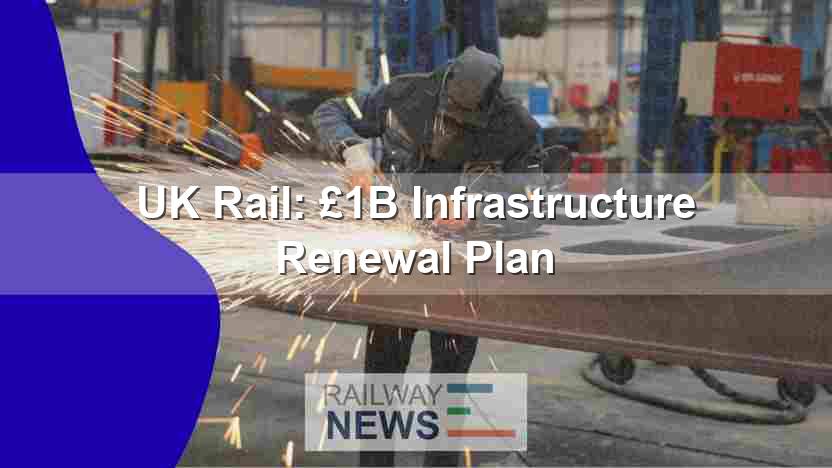
The UK’s railway network, a vital artery for both passenger and freight transport, faces significant challenges due to aging infrastructure. This article examines the Office of Rail and Road’s (ORR) recommendation for a substantial increase in Network Rail’s renewal budget. The ORR, the UK’s independent rail regulator, has urged Network Rail to commit an additional £1 billion to crucial infrastructure upgrades over the next five years. This recommendation stems from a detailed assessment of Network Rail’s Control Period 6 (CP6) plan – a five-year investment strategy covering the period up to 2024. The ORR’s call highlights the critical need for proactive investment to improve the reliability and safety of the network, benefiting both passengers and freight operators. We will analyze the justification behind this recommendation, exploring the current state of the UK rail infrastructure, the implications of insufficient investment, and the potential benefits of a larger renewal program. The consequences of inaction and the potential economic and social benefits derived from improved rail infrastructure will also be examined.
Assessing Network Rail’s CP6 Plan
Network Rail’s CP6 plan, initially proposing over £34 billion in spending, was deemed insufficient by the ORR. The regulator’s assessment highlighted the significant backlog of renewals and the need for accelerated replacement of outdated tracks, signaling systems, and other critical assets. Delaying these renewals increases the risk of delays, disruptions, and safety incidents, ultimately impacting the efficiency and reliability of the entire rail network. The ORR argued that the existing plan fails to adequately address the long-term sustainability and resilience of the network. This underinvestment would lead to increased operational costs associated with reactive maintenance and emergency repairs, negating the potential savings projected by Network Rail’s initial budget.
The Significance of Increased Investment
The ORR’s recommended £1 billion increase, bringing the total renewals budget to £18 billion, represents a crucial step towards addressing the infrastructure deficit. This additional funding would allow for a more detailed program of asset renewal, reducing the risk of future failures and improving the overall performance of the network. Moreover, the increased investment would enhance safety by mitigating risks associated with aging infrastructure, preventing accidents, and promoting a safer travel experience for passengers and railway workers. A key consideration is the prioritization of these funds to ensure maximum impact in the most crucial areas of the network, including the most heavily used lines and the critical components of the rail system.
Beyond Financial Investment: Operational Efficiency and Innovation
The ORR’s recommendations extend beyond simply increasing the financial budget. The regulator emphasizes the importance of improved operational efficiency and collaboration between Network Rail and train operating companies (TOCs). Effective coordination is essential to ensure seamless integration of renewal works with the daily operation of the railway. Further, the establishment of a £10 million performance innovation fund highlights the importance of adopting new technologies and practices to improve efficiency and reliability. Investing in technological upgrades and innovative solutions, such as predictive maintenance and improved signaling systems, can yield substantial long-term benefits in improving overall system performance and reducing maintenance costs. This necessitates a strategic approach to infrastructure investment, considering the needs of individual routes and implementing effective strategies to manage the transition.
Reallocation of Funds and Enhanced Safety Measures
The ORR also suggested a reallocation of existing funds within Network Rail’s budget. Specifically, a reallocation of £0.9 billion from England and Wales’ allocated funding is recommended to address critical renewal needs across the entire network. This reallocation strategy emphasizes the need for a holistic approach to infrastructure management, ensuring that investments are targeted at areas of greatest need, regardless of geographical location. In addition to the increased renewal budget, the ORR recommended an extra £80 million for safety-related expenditures, underlining the paramount importance of prioritizing safety improvements across all aspects of the railway infrastructure.
Conclusion
The ORR’s recommendation for a £1 billion increase in Network Rail’s renewals budget represents a critical step towards ensuring the long-term viability and safety of the UK’s railway network. The current state of the infrastructure necessitates a proactive approach to address the backlog of renewals and prevent the escalating costs associated with delayed maintenance. The ORR’s assessment, highlighting the need for increased spending, improved operational efficiency, and technological innovation, provides a detailed framework for Network Rail to prioritize its future investments. The recommended reallocation of funds and additional safety-focused spending further emphasizes the urgency and importance of this call to action. Failure to adequately address these challenges could lead to increased delays, safety risks, and substantial economic losses. The implementation of the ORR’s recommendations promises significant improvements in the reliability, safety, and overall efficiency of the UK’s railway system, benefiting both passengers and freight operators, and underscoring the critical role of strategic investment in maintaining a high-quality and sustainable rail network. The success of this endeavor will depend upon the collaborative efforts of Network Rail, TOCs, and the regulatory bodies involved, in forging a sustainable and robust railway system fit for the future.

Railway infrastructure, rolling stock and transport technologies specialist focused on global rail industry developments, high-speed rail systems, signaling technologies and freight transportation. Covering railway investments, public transport modernization, rail operations and international mobility projects across Europe, Asia and North America.
RELATED POSTS

October 8, 2026 1:15 pm
Alstom secured a €1bn contract to build 13 automated trains,...

October 1, 2026 7:09 am
United States regulators confirmed a September 30 deadline for the...

October 8, 2026 12:18 pm
Siemens Mobility signed an agreement with VinSpeed to supply 350...

October 4, 2026 5:14 pm
Alstom secured a CA$4.7 billion order from VIA Rail Canada...

October 5, 2026 6:12 pm
AECOM and Jacobs secured a contract in September 2026 to...

October 1, 2026 12:13 am
Illinois approved $1.5 billion annually for the Northern Illinois Transit...