
Proxima: Disrupting France’s High-Speed Rail
Proxima, backed by Antin Infrastructure Partners’ €1 billion investment, aims to disrupt France’s HSR landscape with its private funding model, offering a competitive alternative through technological innovation and operational efficiency.
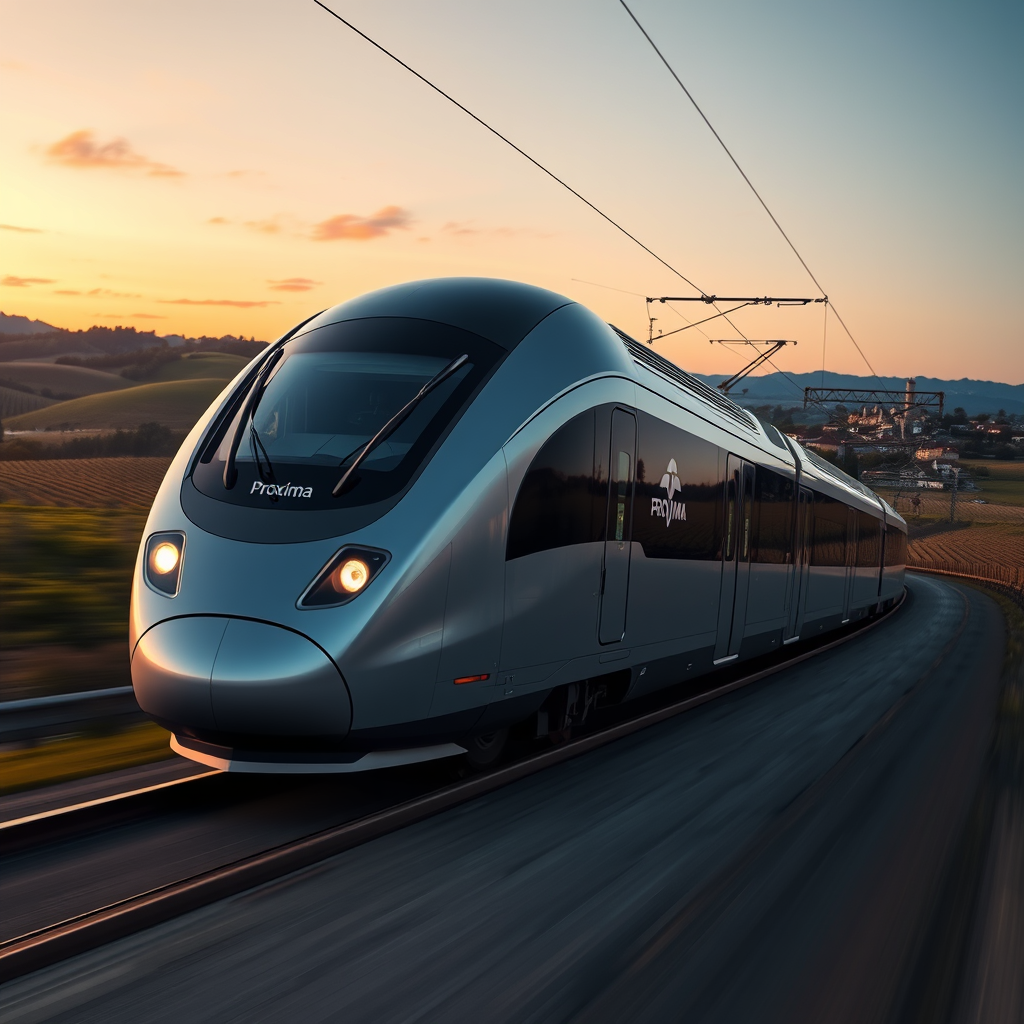
The French high-speed rail (HSR) landscape is poised for significant disruption with the emergence of Proxima, a privately funded operator aiming to challenge the established dominance of the SNCF (Société Nationale des Chemins de fer Français). This article will delve into the strategic implications of Proxima’s entry, analyzing its business model, technological choices, market positioning, and potential impact on the overall French rail system. Proxima’s ambitious plans, backed by substantial private investment from Antin Infrastructure Partners, represent a bold step towards a more competitive and potentially more efficient HSR market in France. The project’s success will depend on several factors, including the regulatory environment, the acceptance by passengers, and the ability to deliver on its promises of improved service and affordability. The following sections will explore these key aspects in detail, examining the opportunities and challenges facing this new player in the French HSR sector.
Proxima’s Business Model and Financial Backing
Proxima’s innovative approach lies in its entirely private funding model, a stark contrast to the traditionally state-owned and operated French railway network. Antin Infrastructure Partners’ €1 billion ($1.1 billion) investment covers initial costs encompassing rolling stock acquisition and maintenance, operational launch expenses, and working capital. This substantial financial commitment underscores the firm’s confidence in the project’s viability and potential returns. This private investment model allows for more agility and potentially faster decision-making compared to the bureaucratic processes often associated with public entities. However, it also introduces a heightened focus on profitability, necessitating a robust business plan and efficient operational strategies. The success hinges on attracting a significant market share and generating sufficient revenue to cover operating costs and deliver returns to investors. Securing favorable agreements with infrastructure providers like Lisea, which provides access to maintenance facilities, is a crucial element of cost control and operational efficiency.
Technological Choices and Operational Strategy
Proxima’s strategic partnership with Alstom for the acquisition of twelve Avelia Horizon trainsets is a key component of its operational strategy. The Avelia Horizon, capable of reaching speeds up to 350 km/h, signifies a commitment to providing fast and efficient travel between Paris and major western cities like Bordeaux, Nantes, Rennes, and Angers. This choice reflects a focus on speed and passenger comfort, aiming to attract customers seeking a competitive alternative to existing services. The planned 2027 commencement of dynamic testing and subsequent service launch demonstrates a determined timeline, suggesting an efficient project management approach. Securing access to maintenance infrastructure through the agreement with Lisea in Marcheprime is vital for the long-term operational sustainability of the service.
Market Positioning and Competitive Landscape
Proxima’s entry into the French HSR market will introduce competition, potentially stimulating innovation and improving overall service quality. The company’s strategy seems to focus on speed and convenience, aiming to capture passengers seeking faster and potentially more streamlined travel options. This will require effectively differentiating its services from the existing offerings of SNCF, emphasizing factors such as punctuality, passenger experience, and potentially pricing strategies. The success will depend on market research and a deep understanding of passenger needs and preferences. The emergence of other new entrants, like Kevin Speed, highlights a growing trend of private sector involvement in the French HSR market, suggesting a shift towards more dynamic competition.
Regulatory Considerations and Future Outlook
Navigating the regulatory landscape will be crucial for Proxima’s success. Securing necessary operating permits and negotiating access agreements with infrastructure managers like SNCF Réseau will be vital steps. The regulatory environment will play a crucial role in defining the competitive dynamics and determining the extent to which Proxima can differentiate itself. Successful negotiation and compliance will be essential for ensuring smooth operations and avoiding potential delays or operational hurdles. Additionally, ensuring the sustainability of the venture requires maintaining profitability while simultaneously catering to the environmental concerns of passengers and regulators.
Conclusion
Proxima’s launch marks a pivotal moment in the evolution of the French high-speed rail sector. Backed by substantial private investment and leveraging strategic partnerships with key players like Alstom and Lisea, the company is strategically positioned to disrupt the established market. Its focus on speed, convenience, and efficient operations, combined with a commitment to modern, high-performance rolling stock, positions it to attract a significant market share. However, the success of Proxima will depend on various factors, including the effective navigation of the regulatory environment, the establishment of a robust business model, and the ability to differentiate its service from the established operators. The regulatory landscape and the reactions of existing operators will be crucial factors in shaping the company’s future trajectory. The long-term impact of Proxima’s success will depend on its ability to create a sustainable and profitable business model while contributing to the overall improvement of France’s high-speed rail system. The entry of Proxima heralds a new era of potential competition and innovation within the French HSR market, ultimately benefiting passengers through improved services and enhanced choices. The outcome will be a fascinating case study in the privatization and competition within the traditionally state-controlled European rail industry.

Railway infrastructure, rolling stock and transport technologies specialist focused on global rail industry developments, high-speed rail systems, signaling technologies and freight transportation. Covering railway investments, public transport modernization, rail operations and international mobility projects across Europe, Asia and North America.
RELATED POSTS

October 8, 2026 1:15 pm
Alstom secured a €1bn contract to build 13 automated trains,...

October 1, 2026 7:09 am
United States regulators confirmed a September 30 deadline for the...

October 4, 2026 5:14 pm
Alstom secured a CA$4.7 billion order from VIA Rail Canada...

October 8, 2026 12:18 pm
Siemens Mobility signed an agreement with VinSpeed to supply 350...

October 5, 2026 6:12 pm
AECOM and Jacobs secured a contract in September 2026 to...

October 4, 2026 11:08 pm
Sound Transit confirmed the September 30 opening of Seattle Pinehurst...