
UIC Leaflet 627-2 Defines Safe Train Refueling Standards
Essential for diesel rail interoperability, UIC Leaflet 627-2 defines the technical standards for filling apertures on locomotives and railcars to ensure safe refueling.
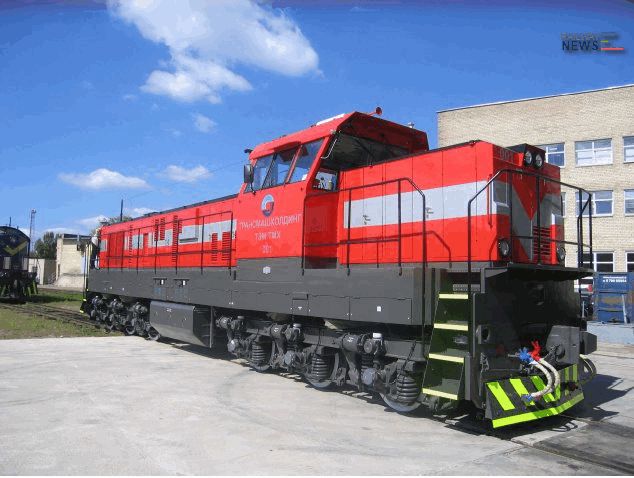
What is UIC Leaflet 627-2?
UIC Leaflet 627-2 is a technical standard established by the International Union of Railways (UIC) titled “Filling of the tanks for internal combustion engines (railcars and locomotives).” Its primary purpose is to define the geometric dimensions, positioning, and functional requirements of fuel tank filling apertures to ensure compatibility between railway fueling stations and diesel rolling stock across different networks.
In the context of cross-border railway operations and standardized maintenance, this leaflet plays a critical role. It ensures that a diesel locomotive or Multiple Unit (DMU) manufactured in one country can safely and efficiently refuel at a depot in another country without the need for adapters or specialized manual intervention.
Key Technical Specifications
The leaflet addresses several critical engineering parameters required to manage the high-pressure and high-volume refueling processes typical in the railway sector.
1. The Filling Aperture
The core of the standard specifies the exact diameter and thread type (if applicable) of the intake nozzle. This standardization prevents fuel leakage and ensures a tight seal during the refueling process. It typically mandates a specific coupling design that mates mechanically with standard railway fuel guns.
2. Flow Rate and Pressure
Unlike automotive refueling, railway refueling requires massive volumes of diesel. UIC 627-2 outlines the maximum permissible flow rates (often expressed in liters per minute) and the maximum pressure the tank system must withstand. This prevents structural damage to the tank and ensures the “shut-off” mechanism triggers correctly.
3. Automatic Shut-off Mechanism
To prevent environmental contamination and fuel wastage, the leaflet dictates the requirements for automatic shut-off systems. The tank design must create a specific back-pressure or utilize a float mechanism that signals the fueling nozzle to stop flow immediately once the maximum capacity is reached.
The Importance of Interoperability
For international rail corridors, interoperability is the highest priority. Without UIC 627-2, operators would face significant logistical hurdles:
- Risk of Delays: Non-compliant fuel ports require slower, manual fueling methods.
- Safety Hazards: Mismatched nozzles increase the risk of diesel spillage, creating fire hazards and slip risks in depots.
- Equipment Damage: Forcing incompatible nozzles can damage the vehicle’s intake manifold.
Comparison: UIC 627-2 vs. Standard Automotive Standards
The following table illustrates the scale difference between standard automotive refueling requirements and the heavy-duty specifications outlined in railway standards like UIC 627-2.
| Feature | Standard Automotive (ISO Standards) | Railway Standard (UIC 627-2) |
|---|---|---|
| Flow Rate | 40 – 80 Liters/min | Up to 800+ Liters/min |
| Connection Type | Open gravity fill (mostly) | Pressure-tight mechanical coupling |
| Shut-off Trigger | Venturi effect (foam/liquid touch) | Back-pressure / Hydraulic signal |
| Tank Capacity | 40 – 100 Liters | 2,000 – 6,000+ Liters |
Transition to EN Standards
While UIC leaflets have historically been the backbone of railway standardization, many are being superseded or integrated into European Norms (EN) and Technical Specifications for Interoperability (TSI).
The principles of UIC 627-2 have largely influenced EN 15566 (Railway applications – Railway rolling stock – Draw gear and screw coupling), specifically regarding the interfaces for fluids. However, for legacy fleets and non-EU UIC members, UIC 627-2 remains the valid reference document for maintenance and retrofitting.

Railway infrastructure, rolling stock and transport technologies specialist focused on global rail industry developments, high-speed rail systems, signaling technologies and freight transportation. Covering railway investments, public transport modernization, rail operations and international mobility projects across Europe, Asia and North America.