
U.S. Rail Freight Dips 7% While Trucking Rates Surge
US rail freight volumes plummeted 7% in late December 2025, contrasting with surging trucking rates, signaling potential shifts in supply chain dynamics during peak season.
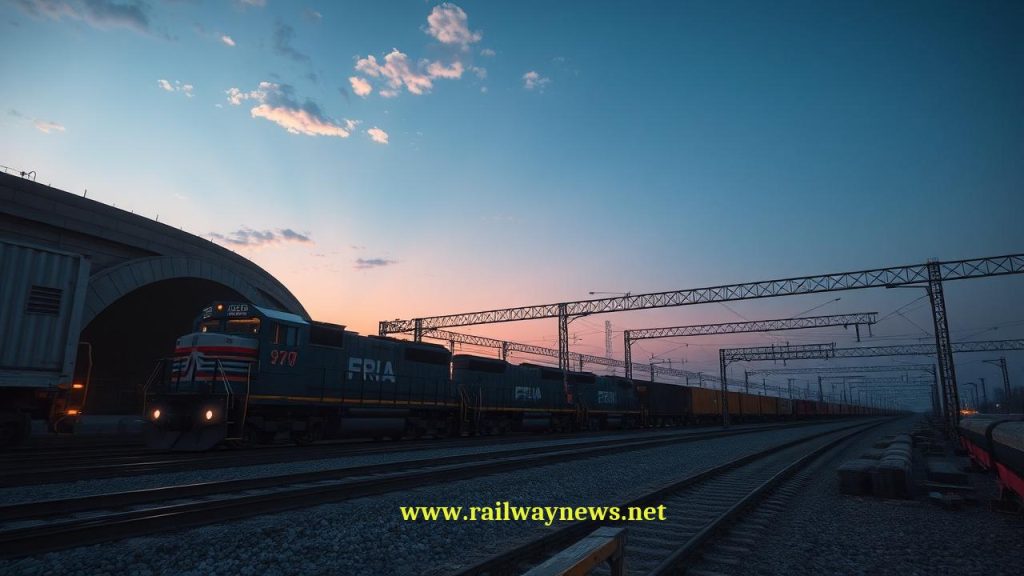
WASHINGTON, D.C. – U.S. freight rail volumes saw a significant 7% decline in the week ending December 20, 2025, compared to the same period last year, even as the rival trucking sector experienced a surge in spot rates during its peak holiday season. The downturn was driven by a sharp 10.5% drop in carload traffic, with weakness in key commodities like coal and chemicals overshadowing gains in the grain and automotive sectors.
| Category | Details |
|---|---|
| Reporting Period | Week ending December 20, 2025 |
| Total U.S. Rail Traffic | 487,138 carloads & intermodal units (-7.0% vs 2024) |
| Carload Traffic | 206,674 units (-10.5% vs 2024) |
| Intermodal Traffic | 280,464 containers & trailers (-4.3% vs 2024) |
| Key Gainer (Commodity) | Grain (+5.9% to 23,272 carloads) |
| Key Loser (Commodity) | Coal (-15.7% to 51,534 carloads) |
Main Body:
According to the latest industry figures, total U.S. freight rail traffic for the week ending December 20th stood at 487,138 carloads and intermodal units, a 7% decrease from the corresponding week in 2024. The decline was most pronounced in carload traffic, which fell 10.5% to 206,674 units. Intermodal volumes, comprising containers and trailers, also contracted, dropping 4.3% to 280,464 units. The data reveals a significant slump in major commodity groups, with coal plummeting 15.7% and chemicals down 10.4%. However, two of the ten carload commodity groups reported growth: grain shipments increased by a robust 5.9%, and motor vehicles and parts saw a modest 1.1% rise.
The downturn in rail freight presents a stark contrast to the conditions in the U.S. trucking market. As the logistics industry entered the late December peak season, trucking spot rates rose sharply across all major equipment types. According to FTR Transportation Intelligence and DAT Freight & Analytics, national linehaul spot rates for dry vans and flatbeds saw significant week-over-week increases. Most significantly, refrigerated spot rates were up 14% compared to the same period last year, indicating intense demand for road transport to meet holiday consumer needs and move temperature-sensitive goods.
The strong performance in grain carloads is directly linked to a booming export market. U.S. Department of Agriculture data shows that grain exports are up 68% year-over-year, with corn export inspections alone rising from 14.5 million metric tons to 24.3 million metric tons in the current marketing year. This agricultural strength, however, operates against a complex macroeconomic background. The U.S. economy posted surprisingly strong 4.3% annual growth in the third quarter, and jobless claims recently fell to 214,000, suggesting a resilient consumer base. This economic health makes the concurrent weakness in rail volumes, particularly in industrial commodities like coal and chemicals, a noteworthy indicator of shifting supply chain dynamics.
Key Takeaways
- Broad-Based Decline: U.S. rail traffic fell 7% year-over-year, with both carload (-10.5%) and intermodal (-4.3%) segments posting significant decreases.
- Diverging Markets: The rail downturn occurred simultaneously with a peak-season surge in the trucking industry, where spot rates climbed sharply, particularly for refrigerated freight.
- Commodity Split: Strong agricultural exports fueled a 5.9% increase in grain carloads, while structural declines in energy markets led to a 15.7% drop in coal shipments.
Editor’s Analysis
The divergence between declining rail volumes and surging trucking rates is the critical story this week. While a resilient U.S. economy should theoretically support freight demand, these figures suggest a potential modal shift toward trucking to meet the urgent, last-mile demands of the holiday peak season. Shippers may be prioritizing the speed and flexibility of trucks over the cost-efficiency of rail for time-sensitive deliveries. Additionally, the steep drop in coal and chemical carloads, despite positive macroeconomic indicators, points to deeper, sector-specific challenges that are weighing down overall rail performance and may persist long after the holiday rush has ended.
Frequently Asked Questions
- Why did U.S. rail traffic decrease in late December 2025?
- Total U.S. rail traffic decreased by 7% compared to the same week in 2024, primarily due to a 10.5% drop in carloads. Significant declines in coal (-15.7%) and chemical (-10.4%) shipments were major contributing factors.
- Which rail commodities performed well during this period?
- Grain was a notable bright spot, with carloads increasing by 5.9%. This growth is attributed to a surge in U.S. agricultural exports. Motor vehicles and parts also saw a slight increase of 1.1%.
- How does the rail industry’s performance compare to the trucking sector?
- The rail industry’s decline contrasts sharply with the trucking sector, which experienced its late December peak season. Trucking spot rates rose significantly, with refrigerated rates up 14% year-over-year, indicating high demand for road freight services.

Railway infrastructure, rolling stock and transport technologies specialist focused on global rail industry developments, high-speed rail systems, signaling technologies and freight transportation. Covering railway investments, public transport modernization, rail operations and international mobility projects across Europe, Asia and North America.
RELATED POSTS

October 8, 2026 1:15 pm
Alstom secured a €1bn contract to build 13 automated trains,...

October 1, 2026 7:09 am
United States regulators confirmed a September 30 deadline for the...

October 8, 2026 12:18 pm
Siemens Mobility signed an agreement with VinSpeed to supply 350...

October 4, 2026 5:14 pm
Alstom secured a CA$4.7 billion order from VIA Rail Canada...

October 5, 2026 6:12 pm
AECOM and Jacobs secured a contract in September 2026 to...

October 1, 2026 12:13 am
Illinois approved $1.5 billion annually for the Northern Illinois Transit...