
Turkey’s Rail Revolution: High-Speed Dreams, Domestic Power
The procurement of domestically produced E5000 locomotives represents a pivotal milestone in Turkey’s railway modernization efforts, showcasing significant advancements in domestic manufacturing and technological independence within the industry.
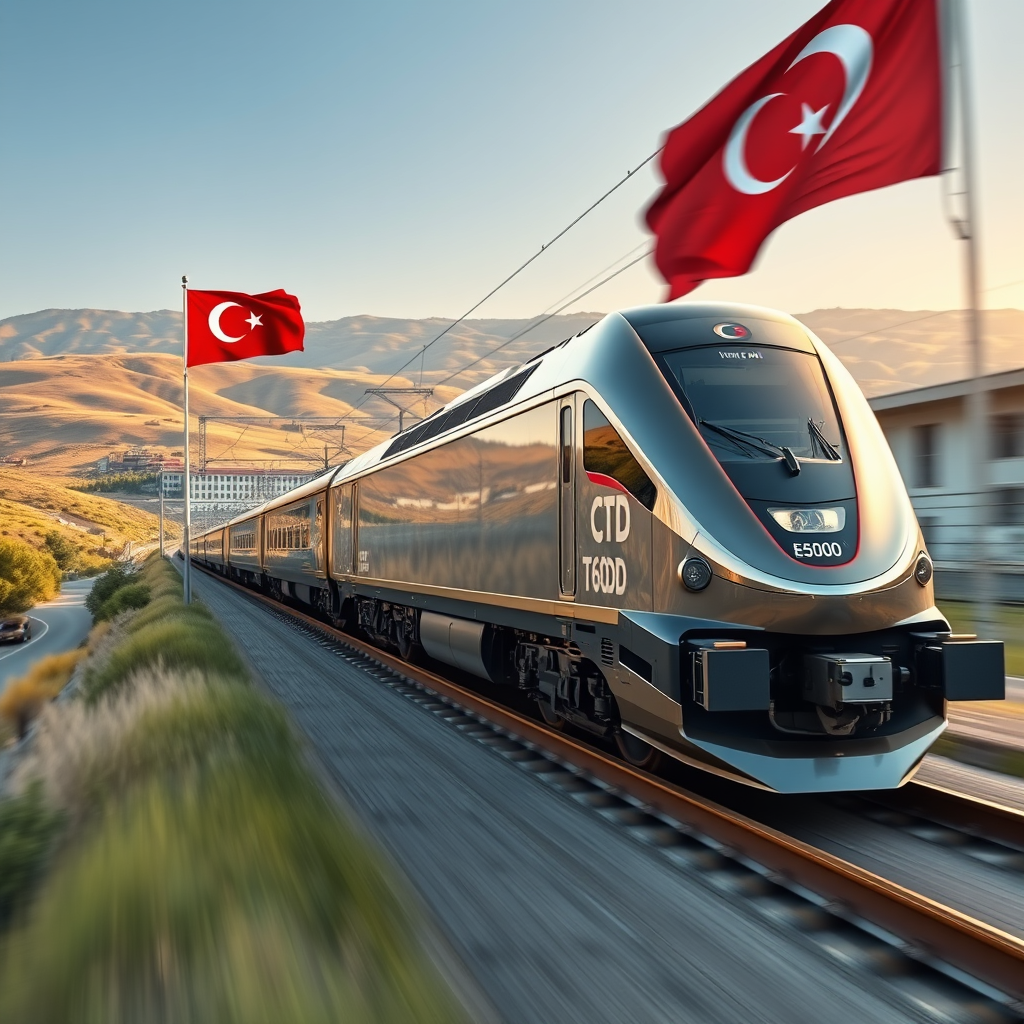
This article explores the significant advancements in Turkey’s railway sector, focusing on a recent contract for 95 new locomotives and the ongoing development of high-speed rail infrastructure. The procurement of domestically produced E5000 locomotives represents a key milestone in Turkey’s ambition to bolster its national industrial capacity and technological independence within the railway industry. This move signifies a strategic shift towards self-reliance, reducing dependence on foreign suppliers and fostering technological expertise within the country. Additionally, the concurrent development of a national high-speed train set highlights Turkey’s commitment to modernizing its transportation infrastructure and improving connectivity across the nation. The implications of this strategic investment, both for the Turkish economy and the future of its railway network, will be examined in detail. The advancements in domestic manufacturing capabilities and the progress toward a high-speed rail network showcase Turkey’s growing capabilities in the railway sector and position the country as a regional leader in railway technology.
Domestic Locomotive Manufacturing: The E5000 Project
The recent contract awarded to Türasaş (Turkish Rolling Stock Manufacturer) for the production of 95 E5000 (Eskişehir 5000) mainline locomotives marks a significant achievement for Turkey’s railway industry. These 5000 kW locomotives, capable of reaching speeds up to 140 km/h, are designed for dual-use in both passenger and freight services. The significance extends beyond simply acquiring new rolling stock; the project showcases a remarkable leap in Turkey’s domestic manufacturing capabilities. The E5000 incorporates several firsts for Turkish railway technology, including the first domestically designed vehicle body, the first domestically produced bogie (the undercarriage of a railway vehicle), and the first Train Control and Management System (TCMS) specifically designed for mainline locomotives. This level of technological integration signals a transition from reliance on foreign technology to the development of indigenous solutions.
Strategic Implications of Domestic Production
The E5000 project holds profound strategic implications for Turkey. The development and manufacturing of critical components, such as those found in the E5000 locomotive, allows for export opportunities. These components can also be utilized for the modernization and maintenance of existing TCDD (Turkish State Railways) locomotives, reducing reliance on foreign spare parts and fostering technological self-sufficiency. This approach not only reduces costs associated with foreign procurement but also strengthens Turkey’s position in the global railway market. The ability to produce and export critical railway technology enhances national security by reducing vulnerabilities associated with foreign supply chains and strengthens the nation’s economy through increased exports and job creation.
High-Speed Rail Development: A National Priority
In tandem with the locomotive contract, Turkey is actively pursuing the development of a high-speed rail network. The progress on the National Electric High-Speed Train Set Project, targeting speeds of 225 km/h, is noteworthy. The project is nearing completion of its design phase, with prototype production expected to be finalized this year. This ambitious undertaking demonstrates Turkey’s long-term commitment to upgrading its railway infrastructure, improving intercity connectivity, and enhancing its overall transportation efficiency. The development of high-speed rail technology parallels the advancements made in domestic locomotive manufacturing, furthering Turkey’s ambition to become a leader in the railway industry.
Conclusion
Turkey’s recent investments in its railway infrastructure represent a strategic move towards national self-reliance and technological advancement. The successful completion of the E5000 locomotive project, featuring entirely domestically produced components including its bogies and TCMS, demonstrates a significant leap in technological capabilities. This achievement is not merely about acquiring new rolling stock; it represents a fundamental shift toward self-sufficiency, export potential, and enhanced national security in the railway sector. The parallel development of high-speed rail capabilities further emphasizes Turkey’s commitment to modernizing its transportation system and strengthening its position in the global railway market. The successful implementation of these projects will undoubtedly improve intercity connectivity, boost economic growth, and solidify Turkey’s role as a regional leader in railway technology and manufacturing. The combined impact of advanced locomotive production and high-speed rail development positions Turkey for a leading role in the future of railway transportation, both domestically and internationally. The focus on indigenous innovation and technological advancement is a compelling model for other nations seeking to develop their railway sectors and reduce reliance on foreign suppliers. The long-term economic benefits and improved connectivity will contribute significantly to Turkey’s ongoing national development strategy.

Railway infrastructure, rolling stock and transport technologies specialist focused on global rail industry developments, high-speed rail systems, signaling technologies and freight transportation. Covering railway investments, public transport modernization, rail operations and international mobility projects across Europe, Asia and North America.
RELATED POSTS

October 8, 2026 1:15 pm
Alstom secured a €1bn contract to build 13 automated trains,...

October 1, 2026 7:09 am
United States regulators confirmed a September 30 deadline for the...

October 8, 2026 12:18 pm
Siemens Mobility signed an agreement with VinSpeed to supply 350...

October 4, 2026 5:14 pm
Alstom secured a CA$4.7 billion order from VIA Rail Canada...

October 5, 2026 6:12 pm
AECOM and Jacobs secured a contract in September 2026 to...

October 4, 2026 11:08 pm
Sound Transit confirmed the September 30 opening of Seattle Pinehurst...