
Smartron Locomotives: Modernizing Bulgaria’s Railways
The article explores how Siemens Mobility’s standardized Smartron locomotives have transformed railway procurement practices globally, particularly benefiting Bulgaria by offering a cost-effective, efficient, and technologically advanced solution for upgrading their fleet.
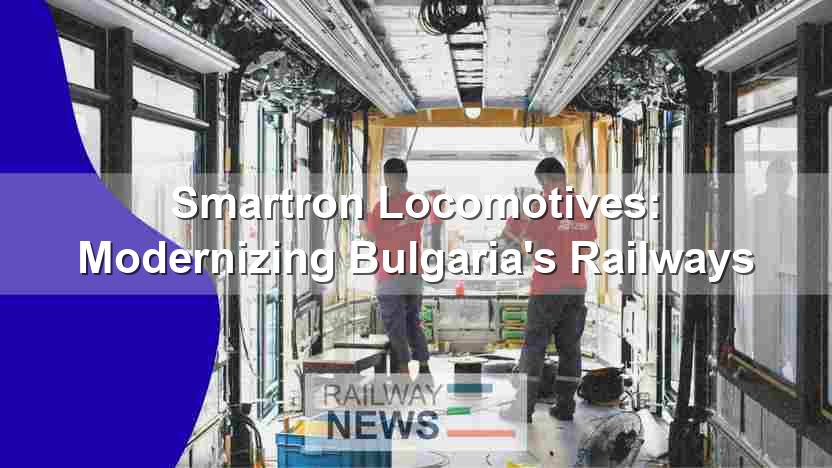
This article examines the strategic significance of Siemens Mobility’s Smartron locomotive sales to the Bulgarian State Railways (BDŽ), analyzing the underlying technological advancements, market implications, and future prospects of this standardized locomotive platform. The increasing demand for efficient and reliable freight and passenger transport necessitates the modernization of railway fleets globally. This case study explores the specific needs of the Bulgarian railway network, focusing on the selection of the Smartron locomotive, its technical specifications, and the broader implications of this procurement for the future of railway operations in Bulgaria and the wider European market. The implications of this order extend beyond a simple transaction, touching upon broader trends in railway procurement, standardization efforts, and the ongoing evolution of locomotive technology in a competitive global marketplace.
The Smartron Locomotive: A Standardized Approach to Railway Modernization
The Siemens Smartron locomotive represents a significant shift towards standardization in railway locomotive procurement. Based on the proven Vectron platform, the Smartron offers a pre-configured, readily available solution tailored to meet the specific needs of various operators. This standardized approach reduces the lead time for delivery and simplifies the procurement process, allowing operators like BDŽ to rapidly upgrade their fleets without the complexities and delays associated with bespoke locomotive designs. This streamlined process benefits both the manufacturer and the operator, leading to faster deployment and reduced operational costs.
Technical Specifications and Operational Advantages
The Smartron locomotives delivered to BDŽ are equipped for operation on the 25kV AC (Alternating Current) power system prevalent in the Bulgarian network. The 1,435mm gauge (standard gauge) and approximate 83-tonne weight are standard specifications within the European railway system, ensuring compatibility and seamless integration into the existing infrastructure. The inclusion of the PZB (Punktförmige Zugbeeinflussung – a train protection system) further enhances safety and operational efficiency. The standardization of these components also simplifies maintenance and spares management, further contributing to cost-effectiveness.
Market Implications and Strategic Partnerships
The order from BDŽ signifies the growing success of the Smartron locomotive in the European market. This is the third order from Bulgaria alone, reflecting the increasing trust and confidence in the performance and reliability of this locomotive model. The framework agreement with Paribus Holding for 25 Smartron locomotives, and the initial orders from operators such as TX Logistik and Eisenbahngesellschaft Potsdam (EGP), further highlights the broad appeal of this standardized platform across diverse market segments. This widespread adoption underscores the effectiveness of Siemens Mobility’s strategy in addressing the evolving needs of railway operators through a flexible and efficient procurement model.
Future Prospects and the Evolution of Railway Technology
The success of the Smartron locomotive underscores a broader trend towards standardization and modularity in the railway industry. This approach facilitates quicker deployment, reduces overall costs, and simplifies maintenance procedures. The ongoing demand for sustainable and efficient freight and passenger transport will continue to drive innovation and modernization in the railway sector. The Smartron, with its adaptability and proven reliability, is well-positioned to play a significant role in meeting this growing demand. The emphasis on standardized components and streamlined procurement processes is likely to influence future locomotive designs, contributing to a more efficient and cost-effective railway industry worldwide.
Conclusion
Siemens Mobility’s delivery of Smartron locomotives to BDŽ marks a significant milestone in the modernization of the Bulgarian railway system and highlights the broader shift towards standardized locomotive procurement in the European railway industry. The adoption of the Smartron, based on the established Vectron platform, offers a compelling combination of efficiency, reliability, and cost-effectiveness. Its pre-configured design streamlines procurement, reducing lead times and overall costs for operators. The success of this model, as evidenced by multiple orders from various customers across different European countries, underscores the growing importance of standardized solutions in meeting the demands of a dynamic railway market. This move by BDŽ to acquire these standardized locomotives reflects a forward-thinking approach to upgrading its infrastructure and improving operational efficiency. The future likely sees an increased adoption of similar standardized locomotive models, emphasizing efficiency, cost-effectiveness, and optimized maintenance strategies for railway operators globally. The case of the Smartron demonstrates a successful path toward a more modernized and sustainable railway landscape.

Railway infrastructure, rolling stock and transport technologies specialist focused on global rail industry developments, high-speed rail systems, signaling technologies and freight transportation. Covering railway investments, public transport modernization, rail operations and international mobility projects across Europe, Asia and North America.
RELATED POSTS

September 5, 2026 4:19 pm
CPK launched formal tender talks with four consortia to design...

September 5, 2026 7:14 pm
HS2 Ltd signed renegotiated civils contracts with EKFB and Align...

September 6, 2026 4:12 am
Alstom delivered the first of 100 new G Class trams...
September 5, 2026 6:17 pm
Universal Signalling won a deal to install its U-Cross system...
September 6, 2026 8:17 am
DB InfraGO reopened the Nuremberg-Regensburg line in Bavaria on 31...
September 7, 2026 11:16 pm
China Railway Tunnel Group completed the 11.3-km underwater Yangtze tunnel...