
SMH Rail’s H10 Series: Revolutionizing Rail Transport
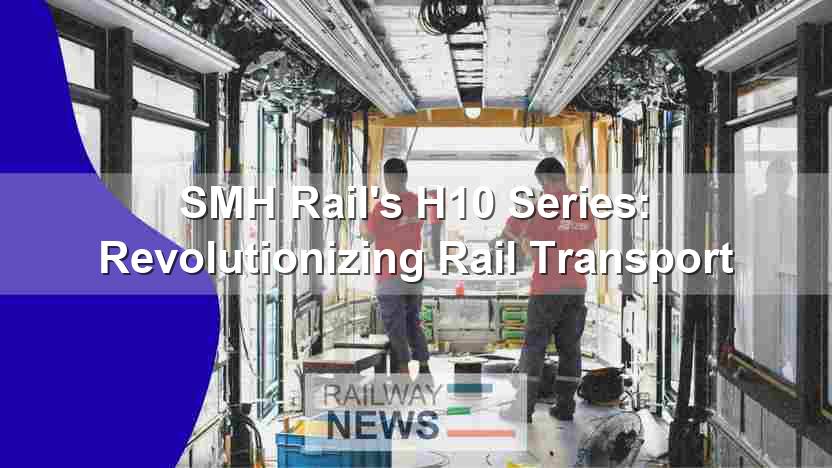
The H10 Series locomotives by SMH Rail Sdn. Bhd. represent a pivotal advancement in railway technology, offering substantial environmental benefits while enhancing operational efficiency, economic performance, and adherence to international standards, all contributing to sustainable growth in the transportation sector globally.
Introduction
This article explores the significant advancements in railway technology represented by SMH Rail’s (SMH Rail Sdn. Bhd.) newly launched H10 Series locomotives. The introduction of these locomotives marks a considerable step forward for the Malaysian railway industry and holds promising implications for global rail transportation. We will examine the technological innovations incorporated into the H10 Series, focusing on its environmental impact, enhanced operational efficiency, economic benefits, and adherence to international standards. The analysis will explore the implications of this development for the broader rail sector, considering its potential to transform freight transportation, reduce reliance on road transport, and contribute to sustainable economic growth, particularly in developing nations. This examination will also highlight the importance of local content manufacturing and international collaboration in driving technological progress within the railway industry.
Technological Advancements and Environmental Impact
The H10 Series locomotives boast cutting-edge technology, resulting in a significant reduction of CO2 emissions—up to 75% compared to previous models. This achievement is pivotal in the global effort to mitigate climate change and reduce the carbon footprint of the transportation sector. The design incorporates advanced fuel-efficient systems, optimizing energy consumption and minimizing operational costs. The claim of being “four times more fuel-efficient than road freight transport on average” underscores its potential for substantial environmental benefits by shifting freight from road to rail.
Enhanced Operational Efficiency and Economic Benefits
Beyond environmental advantages, the H10 Series offers significant improvements in operational efficiency. The enhanced haulage capacity allows for the transportation of larger quantities of goods per trip, directly impacting logistical costs and increasing profitability for rail operators. Reduced maintenance requirements, coupled with remote monitoring and diagnostics solutions, contribute to lower life-cycle expenses and improved operational safety. Real-time data on speed, fuel consumption, and potential faults allows for proactive maintenance scheduling, minimizing downtime and maximizing operational uptime. This predictive maintenance strategy further enhances operational efficiency and reduces the risk of unexpected failures.
International Standards and Global Impact
Designed in accordance with UIC (International Union of Railways) standards, the H10 Series demonstrates a commitment to international best practices. This adherence to global standards ensures interoperability and facilitates seamless integration into diverse railway networks worldwide. The successful export of the first batch to the Tanzania Railways Corporation, supported by the World Bank, exemplifies the locomotive’s global appeal and its potential to contribute to infrastructural development in other nations. The project’s significant local content (over 60% manufactured in Malaysia) highlights the benefits of fostering local manufacturing expertise and technological capabilities.
Conclusion
The launch of SMH Rail’s H10 Series locomotives represents a remarkable achievement in railway technology, offering a compelling combination of environmental responsibility, economic viability, and technological advancement. The significant reduction in CO2 emissions showcases the potential of the rail sector to contribute to global efforts in combating climate change. The enhanced operational efficiency, resulting from increased haulage capacity, reduced maintenance needs, and advanced remote diagnostics, promises substantial economic benefits for both operators and their clients. The adherence to UIC standards ensures global compatibility and paves the way for broader international adoption. The successful export to Tanzania, funded by the World Bank, illustrates the potential of these locomotives to drive economic growth and infrastructural development in emerging markets. This project’s success underscores the importance of collaboration between government, industry, and international financial institutions in promoting technological innovation and sustainable development in the railway sector. The H10 Series is not merely a technological advancement; it’s a symbol of Malaysia’s growing role in the global railway industry and a testament to the potential for environmentally friendly and economically sustainable rail transportation solutions worldwide. The focus on high local content further demonstrates a commitment to building robust domestic manufacturing capabilities and economic diversification. Ultimately, the H10 Series offers a powerful model for sustainable freight transportation solutions on a global scale.

Railway infrastructure, rolling stock and transport technologies specialist focused on global rail industry developments, high-speed rail systems, signaling technologies and freight transportation. Covering railway investments, public transport modernization, rail operations and international mobility projects across Europe, Asia and North America.
RELATED POSTS

September 5, 2026 4:19 pm
CPK launched formal tender talks with four consortia to design...

September 5, 2026 7:14 pm
HS2 Ltd signed renegotiated civils contracts with EKFB and Align...

September 6, 2026 4:12 am
Alstom delivered the first of 100 new G Class trams...
September 5, 2026 6:17 pm
Universal Signalling won a deal to install its U-Cross system...
September 6, 2026 8:17 am
DB InfraGO reopened the Nuremberg-Regensburg line in Bavaria on 31...
September 6, 2026 12:20 pm
Indian Railways ordered a probe after a fire destroyed 2...