
Tanzania’s Electric Rail Revolution: Hyundai Rotem Locomotives Arrive
The recent delivery of Hyundai Rotem electric locomotives to Tanzania marks a pivotal step forward in the nation’s ambitious railway modernization program, focusing on constructing a new standard gauge railway connecting Dar-es-Salaam to Morogoro and beyond, aiming to enhance transportation efficiency, boost economic activity, and improve connectivity within the country.
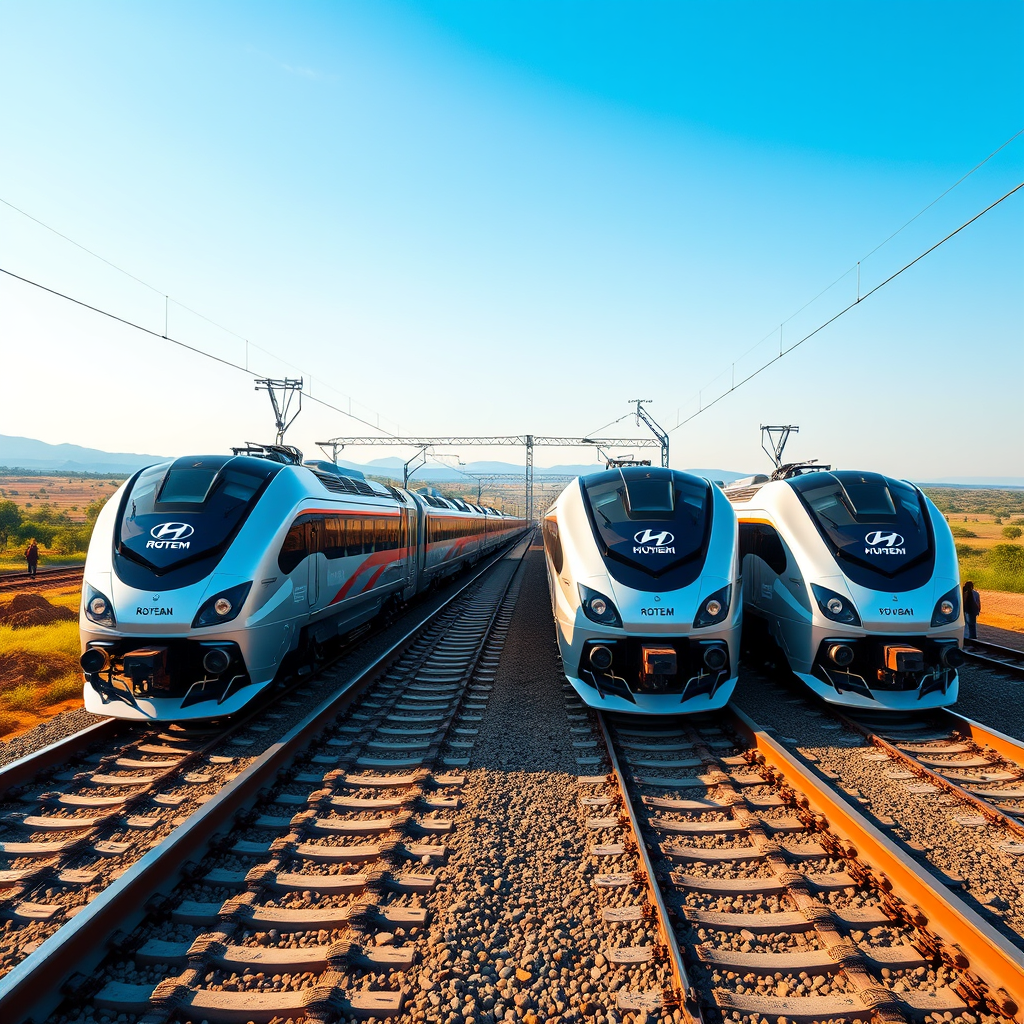
This article examines the recent delivery of Hyundai Rotem electric locomotives to Tanzania and its implications for the nation’s railway infrastructure development. The arrival of these modern locomotives signifies a significant step forward in Tanzania’s ambitious railway modernization program, focusing on the construction of a new standard gauge railway line connecting Dar-es-Salaam to Morogoro and beyond. This project aims to improve transportation efficiency, boost economic activity, and enhance connectivity within the country and with neighboring nations. The analysis will delve into the specifics of the locomotive delivery, the broader context of Tanzania’s railway modernization efforts, the technological advancements represented by these electric locomotives, and the potential economic and environmental benefits associated with this significant investment. We will also explore the challenges involved in such large-scale infrastructure projects and discuss the long-term sustainability of Tanzania’s railway modernization strategy.
Locomotive Delivery and Specifications
The Tanzania Railway Corporation (TRC) has received four Hyundai Rotem electric locomotives, part of a larger order of seventeen units. These locomotives, along with 56 of 59 passenger cars from Sung Shin Rolling Stock Technology (SSRST), are crucial components of the new standard gauge railway line under construction. The delivery, which arrived via the port of Dar-es-Salaam, marks a substantial advancement in the project’s timeline. Additionally, an additional ten Electric Multiple Units (EMUs) are on order from Hyundai Rotem, scheduled for delivery throughout 2024. These EMUs, each capable of carrying 640 passengers, will play a vital role in the passenger transportation capacity of the new railway line.
Tanzania’s Railway Modernization Strategy
The acquisition of these modern electric locomotives and passenger cars is a central component of Tanzania’s broader strategy to modernize its railway network. The focus is shifting from the existing narrow-gauge system to a new standard gauge line, offering increased capacity and improved operational efficiency. The construction of this East-West line, connecting Dar-es-Salaam to Morogoro, represents a key investment in the country’s infrastructure. This project is intended to facilitate trade, stimulate economic growth in inland regions, and improve access to vital resources. The eventual extension of the line to the Rwandan border further underscores the ambitious scale of Tanzania’s railway development plans, aiming to integrate its transport network within the regional context.
Technological Advancements and Environmental Impact
The introduction of electric locomotives signifies a commitment to environmentally sustainable transportation. Compared to diesel locomotives, electric locomotives produce significantly lower greenhouse gas emissions, contributing to a greener transportation sector in Tanzania. This aligns with global efforts to reduce carbon footprints and mitigate climate change. The adoption of modern electric traction technology also promises enhanced operational efficiency, including lower running costs and reduced maintenance requirements. The use of electric locomotives will contribute to a cleaner and more sustainable railway system for Tanzania.
Challenges and Future Outlook
While the arrival of these locomotives is a positive development, the successful implementation of Tanzania’s railway modernization program faces several challenges. These include the logistical complexities of managing a large-scale infrastructure project, potential cost overruns, and the need for skilled personnel to operate and maintain the new equipment. Ensuring the long-term sustainability of the project requires effective planning, robust project management, and ongoing investment in training and infrastructure maintenance. The successful integration of these new assets into the existing railway system and its effective operation will be crucial for the long-term success of the program.
Conclusions
The delivery of Hyundai Rotem electric locomotives to Tanzania marks a significant milestone in the country’s ambitious railway modernization program. The acquisition of these advanced locomotives, along with new passenger cars, demonstrates a commitment to upgrading the nation’s transport infrastructure, enhancing its economic competitiveness, and improving connectivity. The shift to electric traction signifies an important step towards environmental sustainability in the railway sector, reducing greenhouse gas emissions. However, the successful implementation of this project requires effective management of various logistical challenges, including skilled workforce development, and the securing of ongoing financial resources. The long-term success of Tanzania’s railway modernization strategy depends on carefully addressing these challenges and ensuring the efficient operation and maintenance of the newly acquired assets. The project, if completed as planned, will significantly improve the nation’s transportation efficiency and connectivity, facilitating economic growth and regional integration within East Africa. The investment in electric locomotives points to a forward-thinking approach that considers both economic development and environmental responsibility.

Railway infrastructure, rolling stock and transport technologies specialist focused on global rail industry developments, high-speed rail systems, signaling technologies and freight transportation. Covering railway investments, public transport modernization, rail operations and international mobility projects across Europe, Asia and North America.
RELATED POSTS

October 8, 2026 1:15 pm
Alstom secured a €1bn contract to build 13 automated trains,...

October 1, 2026 7:09 am
United States regulators confirmed a September 30 deadline for the...

October 4, 2026 5:14 pm
Alstom secured a CA$4.7 billion order from VIA Rail Canada...

October 5, 2026 6:12 pm
AECOM and Jacobs secured a contract in September 2026 to...

October 1, 2026 12:13 am
Illinois approved $1.5 billion annually for the Northern Illinois Transit...

October 4, 2026 11:08 pm
Sound Transit confirmed the September 30 opening of Seattle Pinehurst...