
STB Rejects Union Pacific-Norfolk Southern Merger Due to Incomplete
Union Pacific and Norfolk Southern’s $85 billion merger application rejected by STB. Incomplete filings halt review, raising competition concerns for the rail industry.
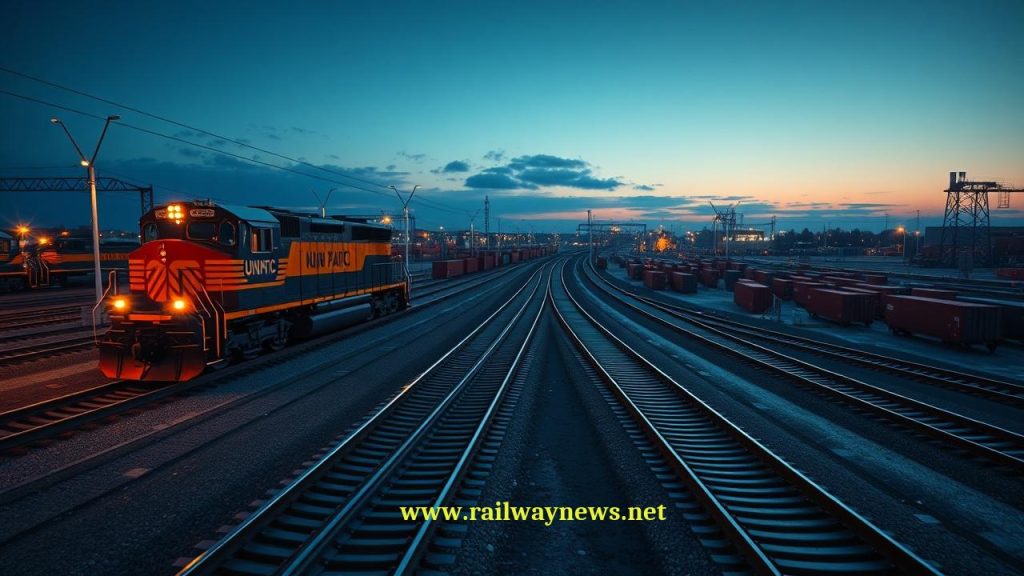
WASHINGTON D.C. – The U.S. Surface Transportation Board (STB) has unanimously rejected the initial merger application from Union Pacific and Norfolk Southern, dealing a significant early-stage blow to the proposed $85 billion rail mega-merger. The board deemed the nearly 7,000-page document incomplete, halting the anticipated 12- to 18-month regulatory review before it could formally begin.
| Category | Details |
|---|---|
| Proposed Merger | Union Pacific Railroad & Norfolk Southern Railway |
| Deal Value | $85 Billion |
| Regulating Body | Surface Transportation Board (STB) |
| Application Status | Deemed Incomplete; Returned for Revision |
| Key Objections | Lack of critical competitive disclosures, raised by Canadian National (CN) and BNSF Railway. |
Main Body:
In a decisive move, the Surface Transportation Board announced its unanimous finding that the merger application submitted by Union Pacific Railroad and Norfolk Southern Railway fails to meet the board’s regulatory requirements. The STB has returned the application, instructing the two Class I railroads to provide the missing information before any formal review can commence. This decision effectively pauses the clock on one of the most significant proposed consolidations in the North American rail industry in decades.
The rejection follows a motion filed in early January by rival carrier Canadian National (CN), which argued that the extensive application lacked crucial technical details and competitive disclosures. According to filings, the missing information included the methodology for identifying routes where two tracks feed into one and a complete list of shippers who could be adversely affected by the consolidation. This lack of transparency, CN argued, prevented stakeholders and the board itself from adequately assessing the merger’s true competitive impact on freight rates and service quality.
Union Pacific and Norfolk Southern originally filed their application on December 19, promoting the merger as a pro-competitive move that would enhance service reliability, shift more freight from highways to rail, and deliver broad public benefits while protecting union jobs. However, competitors BNSF and CN quickly challenged these claims, urging the STB to demand greater disclosure. BNSF’s filing suggested the applicants might be obscuring internal analyses on whether the merger could, in fact, harm competition, cause service disruptions, or lead to higher rates for shippers.
Key Takeaways
- The STB has halted the review of the $85 billion Union Pacific-Norfolk Southern merger, declaring the initial application incomplete.
- The decision validates concerns raised by competitors, including Canadian National and BNSF, regarding a lack of critical competitive impact data.
- The applicants must now revise and resubmit their nearly 7,000-page application with more detailed information before the regulatory process can begin.
Editor’s Analysis
This STB decision is more than a procedural setback; it’s a clear signal that the board is rigorously applying the tougher merger rules established in 2001. By siding with competitors’ calls for more transparency, the STB is placing the burden of proof squarely on the applicants to demonstrate, with exhaustive data, that such a massive consolidation enhances competition and serves the public interest. This move will be closely watched globally, as it sets a high precedent for any future Class I railroad merger proposals, emphasizing that shareholder value and operational synergies alone are insufficient to win regulatory approval in the modern era.
Frequently Asked Questions
Why did the STB reject the Union Pacific-Norfolk Southern merger application?
The STB reached a unanimous decision that the application was incomplete because it lacked required information, specifically critical competitive disclosures needed to assess the merger’s impact on shippers and the rail network.
Who are the main parties involved in this merger process?
The primary parties are the applicants, Union Pacific Railroad and Norfolk Southern Railway, and the federal regulator, the Surface Transportation Board (STB). Key stakeholders include competing Class I railroads like Canadian National and BNSF, who have filed motions for more disclosure, as well as shippers and rail unions.
What happens next for the proposed merger?
The formal review process, expected to last 12-18 months, is now on hold. Union Pacific and Norfolk Southern must revise their application to include the information demanded by the STB and resubmit it. Only after the board deems the new application complete will the official review clock start.

Railway infrastructure, rolling stock and transport technologies specialist focused on global rail industry developments, high-speed rail systems, signaling technologies and freight transportation. Covering railway investments, public transport modernization, rail operations and international mobility projects across Europe, Asia and North America.
RELATED POSTS

October 1, 2026 7:09 am
United States regulators confirmed a September 30 deadline for the...

October 8, 2026 1:15 pm
Alstom secured a €1bn contract to build 13 automated trains,...

October 4, 2026 5:14 pm
Alstom secured a CA$4.7 billion order from VIA Rail Canada...

October 1, 2026 12:13 am
Illinois approved $1.5 billion annually for the Northern Illinois Transit...

October 6, 2026 2:14 am
Union Pacific launched export rail shipments with Ferromex to deliver...

October 1, 2026 6:10 am
Amtrak approved a System Expansion Committee on July 30 to...