
UK Rail Freight’s Future: Growth Challenges & Opportunities
The future of UK rail freight hinges on overcoming significant challenges such as insufficient policy support, inadequate infrastructure, and volatile energy costs to achieve the ambitious 75% increase in freight volumes by 2050, which requires a coordinated effort from government, industry, and stakeholders.
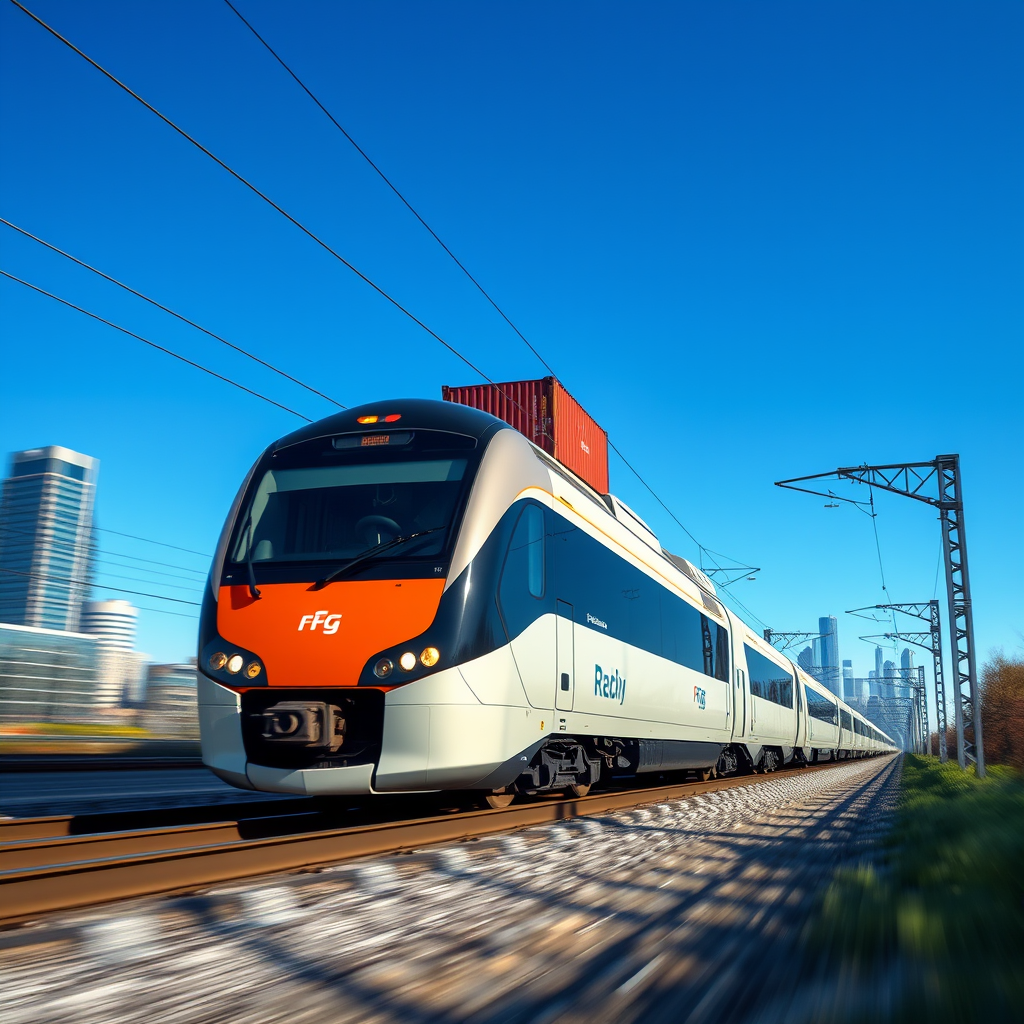
The Future of UK Rail Freight: Addressing Challenges and Opportunities for Growth
The UK rail freight industry stands at a critical juncture. While the government’s ambitious target of a 75% increase in freight volumes by 2050 represents a significant commitment to modal shift (transferring freight from road to rail), realizing this goal requires a concerted effort to address several key challenges. This article will explore the critical need for increased governmental support, focusing on the urgent need for policy changes, infrastructure investment, and a commitment to sustainable practices. The current policy landscape, including insufficient financial incentives, inadequate network capacity, and volatile energy costs, creates significant hurdles for private sector investment crucial for achieving the ambitious growth target. The lack of concrete policy measures to support the transition to rail freight threatens to undermine the government’s own sustainability objectives and risks delaying the shift away from environmentally damaging road transport. The upcoming UK general election provides a crucial opportunity to evaluate the differing approaches of the political parties and consider their potential impacts on the future of rail freight in the UK. We will examine the proposals put forward by key industry players and analyze their feasibility and potential impact on both economic growth and environmental sustainability.
Addressing the Cost Disparity Between Road and Rail
A primary obstacle to increased rail freight adoption is the persistent cost gap between road and rail transport. Freightliner, a major player in the UK rail freight sector, advocates for a 50% reduction in track access charges (TACs). These charges, which cover the cost of using the railway infrastructure, are currently a significant component of the overall cost of rail freight. Reducing TACs would directly improve the competitiveness of rail transport compared to road haulage. Additionally, doubling the modal shift grant – a financial incentive for businesses to switch from road to rail – is also proposed. This would help offset the potentially higher initial costs associated with using rail, particularly for businesses operating on routes where rail transport might currently be less economically advantageous.
Investing in Network Capacity and Infrastructure
The UK’s rail network faces capacity constraints, particularly on busy freight corridors. Increased investment in infrastructure is critical to accommodate the projected growth in rail freight. This includes not only upgrading existing lines to handle higher volumes but also the development of new freight-dedicated lines where strategically necessary. The promised reallocation of funds from cancelled HS2 projects to enhance network capacity is yet to be realized, raising concerns within the industry. The Rail Freight Group (RFG), the UK’s representative body for the rail freight sector, emphasizes the relatively lower risk associated with state investment in rail freight compared to passenger rail due to the significant private sector involvement in operational costs. Targeted infrastructure investments are essential to unlock the potential for significant growth and ensure the long-term viability and efficiency of the UK’s freight rail network.
Sustainability and the Role of Electrification
The transition to a more sustainable transport system is a key objective of the government’s rail freight strategy. Electrification of the rail network is a crucial step towards achieving net-zero emissions in the freight sector. Freightliner’s past experiences with the high costs of electric locomotive operation highlight the need for policies supporting the transition, potentially including the capping of electricity rates for rail freight, as seen in Germany. This would mitigate the financial risks associated with electric traction and encourage greater uptake of more environmentally friendly technologies. Investing in sustainable practices within the rail freight industry is not just environmentally responsible; it also enhances the sector’s long-term competitiveness and resilience.
Conclusion
The UK’s ambition to significantly increase rail freight volume by 2050 is a laudable goal with substantial environmental and economic benefits. However, achieving this target requires a detailed and coordinated approach involving both the government and the private sector. The proposals from Freightliner and the RFG highlight the critical need for policy changes that address the cost competitiveness of rail freight, including reducing track access charges and increasing the modal shift grant. Additionally, significant investment in rail infrastructure is essential to overcome current capacity constraints and ensure the smooth operation of a vastly expanded freight network. Finally, the commitment to sustainability, particularly through electrification and supportive energy policies, is crucial for making rail freight a truly environmentally responsible transport option. The upcoming general election offers a crucial opportunity to advocate for policy changes and secure the necessary investments to support the future growth and sustainability of the UK rail freight industry. Failure to act decisively risks undermining the government’s sustainability targets and squandering the opportunity to create a more efficient, resilient, and environmentally sound transport system. The success of the UK’s rail freight sector is not solely about achieving a numerical target; it’s about building a future-proof, sustainable, and economically viable transport system for the country. The government’s commitment to the industry, beyond simply setting targets, must be reflected in concrete policy decisions, targeted investments, and a willingness to collaborate effectively with industry stakeholders.

Railway infrastructure, rolling stock and transport technologies specialist focused on global rail industry developments, high-speed rail systems, signaling technologies and freight transportation. Covering railway investments, public transport modernization, rail operations and international mobility projects across Europe, Asia and North America.
RELATED POSTS

October 8, 2026 1:15 pm
Alstom secured a €1bn contract to build 13 automated trains,...

October 1, 2026 7:09 am
United States regulators confirmed a September 30 deadline for the...

October 8, 2026 12:18 pm
Siemens Mobility signed an agreement with VinSpeed to supply 350...

October 4, 2026 5:14 pm
Alstom secured a CA$4.7 billion order from VIA Rail Canada...

October 5, 2026 6:12 pm
AECOM and Jacobs secured a contract in September 2026 to...

October 4, 2026 11:08 pm
Sound Transit confirmed the September 30 opening of Seattle Pinehurst...