
Spain Rail Crash: ERTMS Failures Highlight Safety Concerns
Fatal Spanish crash highlights ERTMS rollout failures, exposing interoperability flaws. Urgent action needed to prevent future disasters and ensure rail safety across Europe.
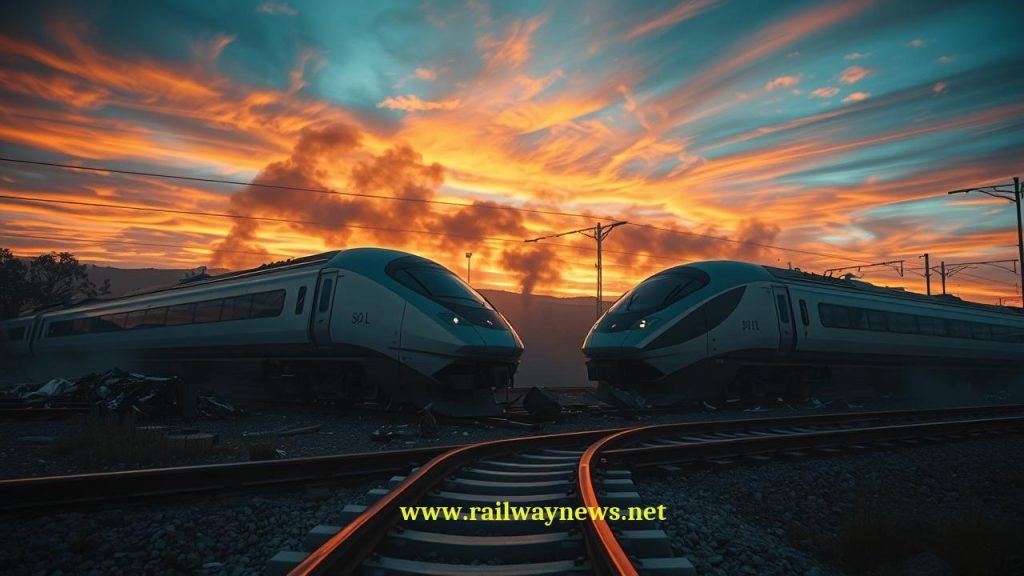
Fragmented ERTMS Rollout Under Scrutiny After Fatal Spanish Crash Highlights Interoperability Failures
BRUSSELS – The European Union’s long-standing goal of a unified, interoperable rail network is facing renewed urgency as the fragmented and uneven implementation of the European Rail Traffic Management System (ERTMS) continues to undermine safety and efficiency. This systemic challenge has been cast into sharp relief by a recent catastrophic high-speed train collision in Spain, which claimed at least 39 lives and serves as a tragic reminder of the high stakes involved in rail harmonisation.
| Category | Details |
|---|---|
| Core Technology | ERTMS (European Rail Traffic Management System) |
| Primary Challenge | Fragmented national implementations and unaligned deployment timetables across the EU. |
| Recent Incident | Fatal collision of two high-speed trains near Cordoba, Spain (January 2026), resulting in at least 39 fatalities. |
| Future System Transition | Replacement of GSM-R with FRMCS (Future Railway Mobile Communication System). |
| Relevant Network | Spain operates Europe’s largest high-speed rail network, with over 3,100 km of track for trains exceeding 250 kph. |
Main Body:
Despite being the cornerstone of the EU’s vision for a Single European Railway Area, the rollout of ERTMS is dangerously inconsistent. A lack of a coordinated European approach has allowed a patchwork of national implementation strategies to emerge, featuring different technical solutions and conflicting timelines. This fragmentation directly impedes cross-border interoperability, forcing rail operators to bear significant additional costs for multi-system rolling stock and creating complex operational challenges. Industry leaders are now amplifying their calls for a stronger, unified commitment from EU institutions and Member States to align national strategies, secure funding, and accelerate a consistent deployment of this critical safety and signalling system.
The human cost of potential system failures was tragically illustrated on Sunday, January 18, 2026, when two high-speed trains collided near Adamuz, southern Spain. The crash, which involved a train travelling from Malaga to Madrid, resulted in at least 39 deaths, with the cause still under investigation. The incident is particularly poignant as Spain boasts Europe’s most extensive high-speed network, with more than 3,100 kilometers of track designed for speeds over 250 kph, which served over 25 million passengers in 2024. While the direct cause of the crash remains unknown, the tragedy underscores the absolute necessity of seamless, failsafe signalling and traffic management systems—the very benefits ERTMS is designed to deliver.
Looking ahead, the European rail sector faces another critical juncture with the planned transition from the current GSM-R communication standard to the Future Railway Mobile Communication System (FRMCS). There is a palpable fear within the industry that without careful, coordinated management, this transition could replicate the technological fragmentation that has plagued the ERTMS implementation. The successful integration of FRMCS, along with other digital advancements in traffic management and predictive maintenance, depends entirely on establishing a clear regulatory framework and common standards. Failure to do so risks creating new, incompatible “technology islands” and further delaying the vision of a truly integrated European rail network.
Key Takeaways
- ERTMS implementation across the EU remains slow and uncoordinated, undermining the core objective of a single, interoperable European railway area.
- A recent fatal collision in Spain, which has Europe’s largest high-speed network, underscores the critical safety implications of non-standardized systems.
- The upcoming transition to the Future Railway Mobile Communication System (FRMCS) risks creating new technological fragmentation if not managed with a unified European approach.
Editor’s Analysis
While the debate around ERTMS implementation has often been framed in terms of economics, efficiency, and technical standards, the catastrophic collision in Spain irrevocably reframes it as an urgent public safety imperative. The persistent fragmentation is not merely a logistical headache or a barrier to market efficiency; it represents a critical seam in Europe’s rail safety net where incompatible systems can contribute to catastrophic failure. This tragedy must serve as a catalyst for decisive action. The promised benefits of increased capacity and efficiency are secondary to the fundamental need for a system that guarantees the highest level of safety across every border. Political will and accelerated, harmonised funding are no longer negotiable—they are essential to prevent another preventable disaster and finally deliver on the promise of a safe, unified European railway.
Frequently Asked Questions
- What is ERTMS and why is it important?
- ERTMS, the European Rail Traffic Management System, is a unified signalling and train control system designed to replace incompatible national systems across Europe. Its importance lies in enabling seamless cross-border train travel (interoperability), increasing railway capacity, and significantly enhancing safety standards across the entire EU network.
- What are the main obstacles to ERTMS implementation in the EU?
- The primary obstacles include a lack of coordinated strategy at the European level, leading to fragmented national implementations with different technical specifications and timelines. Insufficient and inconsistent funding, coupled with the complexity of retrofitting existing infrastructure and rolling stock, also contribute to the slow and uneven pace of deployment.
- How does the transition to FRMCS relate to the challenges seen with ERTMS?
- FRMCS is the next-generation communication system intended to replace the current GSM-R standard. The concern is that if its rollout is not managed with a strong, coordinated European strategy, it could suffer the same fate as ERTMS, leading to a new wave of technological fragmentation, increased costs for operators, and continued interoperability issues.
RELATED POSTS

August 6, 2016 9:27 am
Iran construction is underway! The Rasht-Astara railway, a 162 km...
May 11, 2022 11:30 am
The Indian railway network is undergoing a significant transformation with...
July 21, 2025 8:33 am
Stuttgart 21, a new underground rail station, opens in Baden-Württemberg...
May 23, 2020 11:01 am
This article examines the significant milestone achieved by Siemens Mobility...
November 21, 2017 3:10 pm
Optimize railway safety. Cutting-edge technology and collaboration are key...

April 3, 2025 8:21 am
Amtrak’s Long-Distance Rail Revitalization: A Multi-Billion Dollar Investment in the...