
Optimizing Railway Safety: Collaborative Tech Advancements
Optimize railway safety. Cutting-edge technology and collaboration are key for reducing incidents and ensuring a secure future. Discover how!
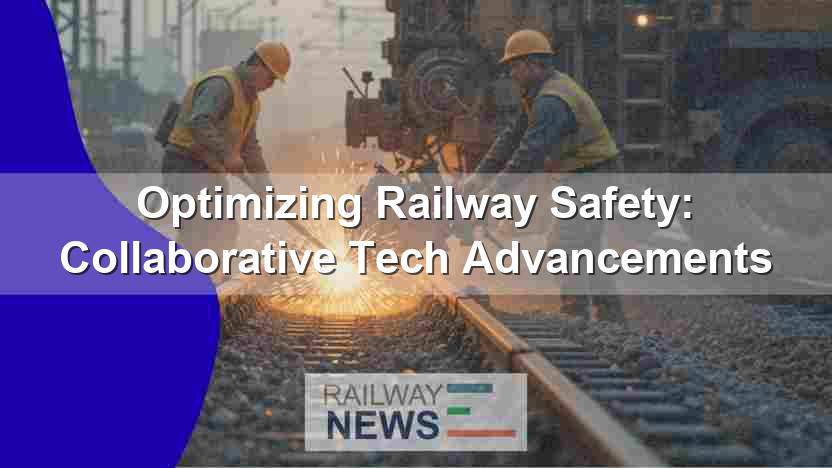
The railway industry, a crucial component of global transportation, faces ongoing challenges in ensuring safety and efficiency. This article explores the critical role of technological integration and collaborative initiatives in mitigating risks and enhancing operational excellence within railway networks. From advanced signaling systems to data-driven predictive maintenance, a multitude of advancements are transforming railway operations. Additionally, the establishment of collaborative platforms, such as Joint Innovation Centers, can foster a culture of knowledge sharing and accelerate the development and implementation of safety-critical technologies. This examination will explore how innovative solutions can lead to significant improvements in safety protocols, reducing incidents, and enhancing the overall resilience of railway systems.
The Imperative for Enhanced Safety Protocols
Railway safety is paramount. Accidents, regardless of their scale, can have devastating consequences, impacting human lives, disrupting supply chains, and inflicting substantial economic losses. A proactive approach to safety necessitates a multi-pronged strategy that incorporates the latest technological advancements and fosters strong collaborations among stakeholders. Traditional safety protocols, while effective in some aspects, often struggle to address the complexity of modern railway operations, particularly in situations involving complex infrastructure and high-speed rail networks. Robust safety protocols are essential for preventing collisions, derailments, and other critical incidents.
Leveraging Technology for Enhanced Surveillance and Control
Modern technologies offer powerful tools for enhancing surveillance and control in railway operations. Precision technologies, including GPS-based tracking, real-time monitoring, and advanced communication systems, enable more detailed oversight of train movements. This heightened visibility allows for faster response times in emergency situations and facilitates a proactive approach to mitigating potential risks. For instance, advanced signaling systems, such as CBTC (Communication-Based Train Control), facilitate safer and more efficient train operations by providing real-time communication between the train and the track infrastructure. These systems contribute to reducing reaction time and enhance overall safety.
Collaborative Approaches for Innovation and Knowledge Sharing
The development and deployment of cutting-edge safety technologies often require a collaborative approach. By bringing together experts from various sectors—including railway operators, technology providers, research institutions, and regulatory bodies—Joint Innovation Centers provide a platform for the exchange of knowledge, insights, and best practices. Open communication channels and collaborative projects create an environment for faster innovation cycles and accelerated implementation of effective safety solutions. This approach fosters a synergy in which insights from different areas are combined, leading to the development of more detailed and robust solutions. The sharing of data and experiences between different organizations is vital for identifying common challenges and developing collective solutions. Additionally, these shared environments foster intellectual property exchange and encourage knowledge transfer between participating entities.
Conclusion: Forging a Safer Future in Railway Transportation
The future of railway safety hinges on a multifaceted approach that integrates technological advancements with collaborative initiatives. Advanced technologies, including advanced signaling systems, data analytics, and predictive maintenance tools, empower railway operators to enhance operational efficiency and mitigate risks. Establishing platforms for collaborative innovation, such as Joint Innovation Centers, provides a fertile ground for fostering knowledge exchange and accelerating the development and implementation of cutting-edge solutions. By working together, the industry can develop detailed and effective safety protocols to safeguard personnel, infrastructure, and the public. Additionally, by employing proactive measures and fostering a culture of continuous improvement, the railway industry can enhance its safety record, uphold its reputation as a reliable mode of transportation, and continue playing a vital role in global commerce. Crucially, this collaborative environment will lead to a significant decrease in accidents, reduced downtime, and improved public perception. By prioritizing safety, the industry can establish a strong foundation for future growth and innovation.
Joint Innovation Centers play a pivotal role in this process. Through the exchange of ideas, data, and resources, these centers are instrumental in accelerating the development and implementation of critical technologies. This collaborative approach enables the industry to move beyond reactive measures and adopt a more proactive and preventive approach to safety. The future of railway safety lies in embracing these advancements and harnessing the power of collaborative innovation.
You might be interested in:
Last March 2019, we published an article about Canadian railway accidents. Click here to read – 2018 Canadian Rail Accidents: A 7% Rise, Deeper Dive

Railway infrastructure, rolling stock and transport technologies specialist focused on global rail industry developments, high-speed rail systems, signaling technologies and freight transportation. Covering railway investments, public transport modernization, rail operations and international mobility projects across Europe, Asia and North America.
RELATED POSTS

October 8, 2026 1:15 pm
Alstom secured a €1bn contract to build 13 automated trains,...

October 1, 2026 7:09 am
United States regulators confirmed a September 30 deadline for the...

October 8, 2026 12:18 pm
Siemens Mobility signed an agreement with VinSpeed to supply 350...

October 4, 2026 5:14 pm
Alstom secured a CA$4.7 billion order from VIA Rail Canada...

October 5, 2026 6:12 pm
AECOM and Jacobs secured a contract in September 2026 to...

October 1, 2026 12:13 am
Illinois approved $1.5 billion annually for the Northern Illinois Transit...