
Queensland Rail EMU Retirement: Modern Fleet & Sustainable Transport
Queensland Rail retires iconic EMUs after 4 decades, marking a transition to modern fleet. Final tour this Saturday.
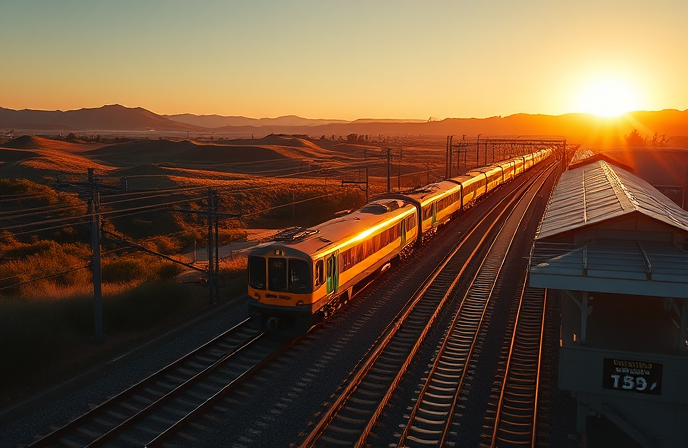
Queensland Rail Bids Farewell to Iconic EMU Fleet After Four Decades of Service
Queensland Rail (QR) is poised to retire its final Electric Multiple Unit (EMU) train this week, marking the end of an era for the iconic fleet that has served the state’s rail network for over four decades. The last EMU, EMU59, will embark on its final public journey this Saturday, July 5th, offering rail enthusiasts a nostalgic “End of the Line Tour.” This event, departing from Roma Street station, will traverse the Caboolture, Ipswich, Ferny Grove, and Shorncliffe lines, providing a final opportunity to experience these trains. The retirement of the EMUs, which were introduced in 1979, signifies a transition to a modernised fleet, with the New Generation Rollingstock (NGR), Interurban Multiple Units (IMU), and Suburban Multiple Units (SMU) taking over passenger services. The reasons for the retirement include a desire to replace ageing trains with newer and more modern ones. This article will delve into the legacy of the EMUs, the factors driving their retirement, and the implications for Queensland’s passenger rail services.
A Pioneer in Electric Rail: The EMU’s Historical Significance
The introduction of the EMUs in 1979 was a watershed moment for Queensland Rail, representing the first electric train fleet on the network. This marked a significant upgrade from the diesel-powered system, improving efficiency and the passenger experience. The EMUs quickly became recognisable for their distinct retro design and character, embodying a commitment to accessible public transportation and a more sustainable form of transport. For over four decades, the EMUs have formed a mainstay of Brisbane’s suburban rail service, providing reliable service to millions of commuters.
Phased Retirement: A Modernisation Strategy
The retirement of the EMU fleet has been a phased process spanning the last seven years. The decision to retire the EMUs was driven by a combination of factors, including the age of the trains, the increasing costs of maintenance, and the need to introduce a modernised and more technologically advanced fleet. The NGR trains, now a key part of Queensland Rail’s operating fleet, incorporate features such as improved accessibility, enhanced passenger comfort, and advanced safety systems. The retirement of the EMUs allows QR to focus on a streamlined and modern fleet. The new generation trains also benefit from a decreased environmental footprint thanks to efficiency and less reliance on fossil fuels.
The End of the Line Tour: A Final Salute
The “End of the Line Tour” represents a final opportunity for the public to experience the EMUs. The tour is designed to celebrate the legacy of the trains, offering rail enthusiasts and commuters a chance to take a ride on the last remaining EMU, EMU59. The tour will stop at all stations along the specified lines, allowing passengers to revisit familiar routes and experience the familiar design. Queensland Rail plans the event as a tribute to the EMUs’ place in Queensland’s rail history. This event highlights the importance of these trains, not just as means of transport but also as a symbol of the city’s transport development.
Future of Queensland Rail: A Modern Fleet for the Future
As the EMUs retire, Queensland Rail is ensuring a seamless transition to a more modern fleet. The NGR, IMU, and SMU fleets will continue to provide passenger services across the network. Additionally, the Queensland Train Manufacturing Program (QTMP) fleet is in development and scheduled for future delivery. This strategic shift toward advanced rolling stock reflects Queensland Rail’s commitment to providing a reliable and efficient rail service to the community, built on sustainability, advanced technology, and passenger comfort. The use of modern trains also allows Queensland Rail to meet the needs of growing communities, expand the network, and decrease its environmental impact.
Conclusion
The retirement of Queensland Rail’s EMU fleet marks a significant milestone in the history of the state’s passenger rail services. While the departure of these iconic trains signifies the end of an era, it also heralds a new chapter in rail transport development. The phasing out of the EMUs has been a strategic decision that reflects the company’s dedication to a sustainable, and efficient public transport network. The introduction of modern trains and upgrades, such as the QTMP, highlights the focus on delivering a better service to the community. The “End of the Line Tour” demonstrates the public’s appreciation for these machines and their importance to the state’s history. The future of Queensland Rail will be defined by its modern fleet, technological advancements, and increased capacity, which will create a positive impact on the future of sustainable transport in the state.

Railway infrastructure, rolling stock and transport technologies specialist focused on global rail industry developments, high-speed rail systems, signaling technologies and freight transportation. Covering railway investments, public transport modernization, rail operations and international mobility projects across Europe, Asia and North America.
RELATED POSTS

October 8, 2026 1:15 pm
Alstom secured a €1bn contract to build 13 automated trains,...

October 1, 2026 7:09 am
United States regulators confirmed a September 30 deadline for the...

October 4, 2026 5:14 pm
Alstom secured a CA$4.7 billion order from VIA Rail Canada...

October 1, 2026 12:13 am
Illinois approved $1.5 billion annually for the Northern Illinois Transit...
October 5, 2026 1:13 pm
New York MTA confirmed a late 2026 DEIS release for...
October 6, 2026 9:17 am
Illinois approved $1.1M in state funds to upgrade two McHenry...