
Optimizing Railway Operations: A Holistic Guide
Optimize your railway operations. Discover how modern infrastructure, efficient protocols, and a superior customer experience drive long-term success.
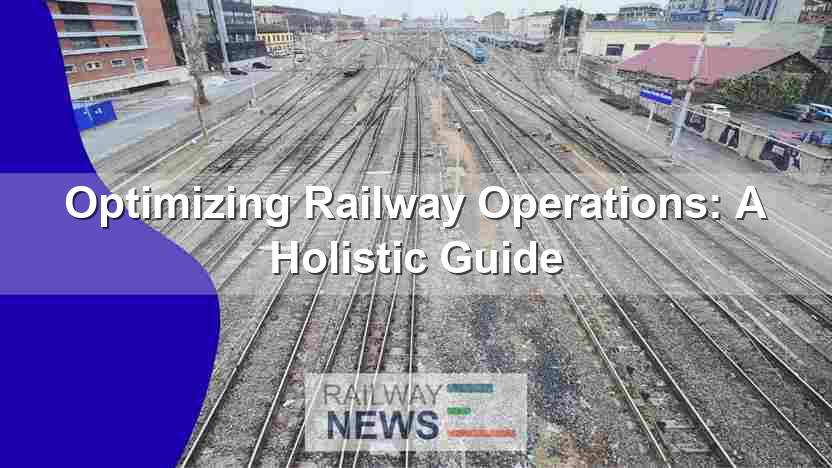
The railway industry is undergoing a period of significant transformation, driven by technological advancements and evolving passenger expectations. This article explores the critical aspects of optimizing railway operations, examining strategies for enhancing efficiency, improving customer experience, and ensuring long-term sustainability. From infrastructure upgrades to innovative operational protocols, we will explore the multifaceted challenges and opportunities facing modern railway systems. Key performance indicators (KPIs) like punctuality, capacity utilization, and customer satisfaction will be examined as essential metrics for evaluating and improving the overall effectiveness of rail networks. This analysis will consider the interplay between various factors, including infrastructure limitations, operational procedures, technological capabilities, and, crucially, the needs of the traveling public.
Modernizing Infrastructure for Enhanced Performance
Outdated infrastructure significantly impacts railway performance. This chapter addresses the importance of modernizing track systems, signaling technologies, and maintenance strategies. Upgrades to track geometry, employing advanced technologies like laser-guided alignment, and implementing robust predictive maintenance programs are crucial for reducing delays and improving the safety of the system. Enhanced signaling, such as utilizing CBTC (Communication-Based Train Control) systems, enables higher train frequencies and more efficient capacity utilization while increasing safety. Additionally, the integration of smart infrastructure solutions, such as real-time monitoring systems for track conditions, can proactively identify and address potential issues before they disrupt service.
Optimizing Operational Protocols for Efficiency
Efficient scheduling, crew management, and dispatch protocols are essential for minimizing delays and maximizing train utilization. This chapter examines the application of advanced scheduling algorithms to optimize train paths and service frequencies. Real-time data integration, incorporating information from various sources like passenger demand, track conditions, and weather patterns, is crucial for dynamic scheduling adjustments. Further optimizing crew management through rostering strategies and the use of advanced dispatching software will also be addressed. The integration of predictive maintenance techniques with data analytics for proactive maintenance and preventative upkeep of the rolling stock is paramount to reduce unexpected disruptions.
Improving the Customer Experience and Enhancing Customer Response Time
In today’s competitive environment, providing a superior customer experience is paramount to sustained success. This chapter focuses on streamlining the passenger journey, improving accessibility, and enhancing communication. Implementing intuitive passenger information systems, offering a variety of payment options, and integrating mobile technologies to facilitate real-time updates on train schedules are crucial aspects. Additionally, proactively addressing customer feedback and inquiries is vital for understanding their needs and expectations. The use of integrated systems that provide real-time passenger information, allowing for quicker response times to customer issues, will be discussed as well. Improving the ease of booking, purchasing, and accessing information, as well as reducing customer response times, will contribute significantly to a more positive customer experience. This chapter will outline the importance of using detailed customer relationship management (CRM) systems to analyze and respond to feedback, and how to create more convenient and efficient services based on that data.
Conclusion: Towards a Sustainable and Efficient Railway Future
This article has explored the multifaceted nature of optimizing railway operations, from infrastructure enhancements to operational protocol refinements. Modernizing infrastructure, including the adoption of advanced signaling and maintenance practices, is critical for enhancing efficiency and reducing delays. Efficient operational protocols, encompassing optimized scheduling, crew management, and dispatch systems, are equally crucial. Additionally, improving the customer experience, by integrating real-time information, offering seamless booking options, and creating robust customer service channels, directly impacts passenger satisfaction and loyalty. The successful implementation of these strategies requires a holistic approach that recognizes the interdependencies among different aspects of railway operations. A deep understanding of customer needs, coupled with innovative strategies, is essential to optimizing customer response time. The integration of data analytics in all aspects, from infrastructure monitoring to customer feedback analysis, is critical for gaining valuable insights into operation efficiency and optimizing the passenger journey. By embracing these strategies, railway operators can achieve higher efficiency, reduce operating costs, and create more sustainable, and importantly more successful, railway systems. The future of railway transport lies in adopting innovative technologies, optimizing operational protocols, and, above all, in prioritizing the needs and satisfaction of the travelling public.
You might be interested in:
Last April 2019, we had a great article about BOGESTRA’s light rail upgrade, including 99 Stadler vehicles. Click here to read – BOGESTRA’s Modern Light Rail Upgrade: TANGO LRVs & Fleet Modernization

Railway infrastructure, rolling stock and transport technologies specialist focused on global rail industry developments, high-speed rail systems, signaling technologies and freight transportation. Covering railway investments, public transport modernization, rail operations and international mobility projects across Europe, Asia and North America.
RELATED POSTS

October 1, 2026 7:09 am
United States regulators confirmed a September 30 deadline for the...

October 8, 2026 1:15 pm
Alstom secured a €1bn contract to build 13 automated trains,...

October 4, 2026 5:14 pm
Alstom secured a CA$4.7 billion order from VIA Rail Canada...

October 1, 2026 12:13 am
Illinois approved $1.5 billion annually for the Northern Illinois Transit...

October 6, 2026 2:14 am
Union Pacific launched export rail shipments with Ferromex to deliver...

October 1, 2026 6:10 am
Amtrak approved a System Expansion Committee on July 30 to...