
NSW Rail: Flood Recovery, Operational Updates and Future Outlook
New South Wales’ railway network grapples with severe flooding that has disrupted operations across multiple lines, impacting both freight and passenger services, as ARTC works to restore full functionality and safety amidst ongoing recovery efforts.
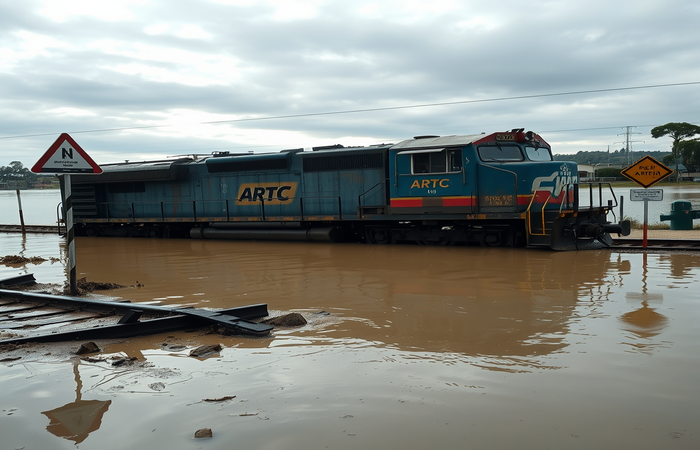
New South Wales Railway Network Grapples with Flood Recovery and Operational Resumption
Severe flooding across the Mid North Coast and Hunter regions of New South Wales, Australia, has significantly disrupted rail operations, impacting both freight and passenger services. The Australian Rail Track Corporation (ARTC) (ARTC) is working diligently to restore full functionality across the affected networks. This article explores the specifics of the recovery efforts, examining the challenges faced, the progress made, and the ongoing measures being implemented to ensure the safety and efficiency of rail transport in the wake of this natural disaster. We will analyze the impact on different lines, the technical issues encountered, and the strategies employed to mitigate disruptions and return services to normal. This overview aims to provide a detailed understanding of the current situation and the steps being taken to facilitate a smooth recovery for the railway infrastructure.
Impact and Initial Response
The initial impact of the floods resulted in widespread disruption to the rail network. The North Coast corridor experienced significant damage, particularly affecting track integrity and signaling systems. The ARTC initiated track recertification processes to assess and repair the damage. Simultaneously, the Hunter Valley Network also faced operational challenges due to the weather conditions. The immediate response focused on assessing damage, ensuring the safety of the infrastructure, and prioritizing the resumption of essential services. The ARTC deployed personnel and resources to address the immediate needs and begin the recovery operations. Temporary speed restrictions were implemented to allow for the safe operation of trains while track health stabilized.
Specific Challenges and Mitigation Strategies
The North Coast corridor faced specific challenges related to signaling issues, which hampered the recertification process. These issues were critical to resolve before services could be safely resumed. The ARTC worked to rectify these signaling problems. Freight services were prioritized for resumption and were running on Monday, May 26th, and passenger services (XPT) are expected to resume on Tuesday, May 27th. On the Hunter Valley Network, operational issues related to weather impacts have abated and all four tracks have been recertified at Sandgate and Kooragang North Fork. Passenger train services are operating on the Hunter Line, however, bus replacements continue to be necessary between Maitland, Telarah and Dungog. The ARTC is actively monitoring track conditions between trains and has implemented temporary speed restrictions along the alignment until track health is deemed stable.
Service Adjustments and Replacement Services
The disruption caused by the floods necessitated significant adjustments to passenger services. XPT services on the North Coast line were temporarily replaced by coaches, while some stations, including Kempsey, Wingham, Gloucester, and Dungog, remained without service. These measures were put in place to ensure the safety of passengers and maintain some level of connectivity during the recovery period. The ARTC has been working with transport operators to provide alternative transport options and inform the public about service disruptions. The corporation has been proactively communicating updates and changes to ensure the public is well-informed about the evolving situation.
Ongoing Monitoring and Future Outlook
The ARTC continues to monitor the weather conditions as a new weather system moves through the area, bringing strong winds. The ARTC is closely observing the situation and making necessary adjustments to operations. The corporation remains committed to restoring full service and ensuring the safety of the rail network. The ongoing recovery efforts involve continuous assessment of track conditions, implementation of necessary repairs, and close collaboration with relevant stakeholders. The ARTC will continue to be briefed on the weather conditions to proactively respond to potential impacts. The focus remains on restoring full operational capacity while maintaining the highest safety standards.
Conclusion
The floods in the Mid North Coast and Hunter regions of New South Wales, Australia, have presented significant challenges to the rail network, necessitating a detailed recovery effort by the ARTC. The initial impact led to widespread disruptions, with track damage and signaling issues hindering operations. The ARTC’s response has been multi-faceted, involving track recertification, repair of signaling systems, and implementation of temporary speed restrictions. Freight services resumed, and passenger services are gradually returning. Adjustments, such as bus replacements and temporary service suspensions, were made to maintain essential connectivity and prioritize safety.
The ARTC’s ongoing efforts include continuous monitoring of track conditions, adapting to changing weather, and close collaboration with transport operators. The recovery process is dynamic, with constant adjustments made to ensure the safety and efficiency of the rail network. The current situation reflects the resilience of the rail infrastructure and the dedication of the ARTC to restore full operations. The resumption of services is a complex undertaking, as the ARTC must balance the urgency of restoring connectivity with the need to ensure safety. The temporary measures are in place to allow for safe operation and to provide continued public transport services while the infrastructure undergoes essential maintenance. The ARTC is committed to providing the essential transport services to the region as soon as possible. The corporation is working towards a full recovery for the railway infrastructure.

Railway infrastructure, rolling stock and transport technologies specialist focused on global rail industry developments, high-speed rail systems, signaling technologies and freight transportation. Covering railway investments, public transport modernization, rail operations and international mobility projects across Europe, Asia and North America.
RELATED POSTS

October 1, 2026 7:09 am
United States regulators confirmed a September 30 deadline for the...

October 8, 2026 1:15 pm
Alstom secured a €1bn contract to build 13 automated trains,...

October 4, 2026 5:14 pm
Alstom secured a CA$4.7 billion order from VIA Rail Canada...

October 8, 2026 12:18 pm
Siemens Mobility signed an agreement with VinSpeed to supply 350...

October 5, 2026 6:12 pm
AECOM and Jacobs secured a contract in September 2026 to...

October 4, 2026 11:08 pm
Sound Transit confirmed the September 30 opening of Seattle Pinehurst...