
NJ Transit: Northern Rail MOW Facility Project Upgrade
NJ Transit is modernizing its rail maintenance with a new MOW facility project in Clifton, enhancing efficiency and reliability for commuters.
New Jersey, USA – October 26, 2023
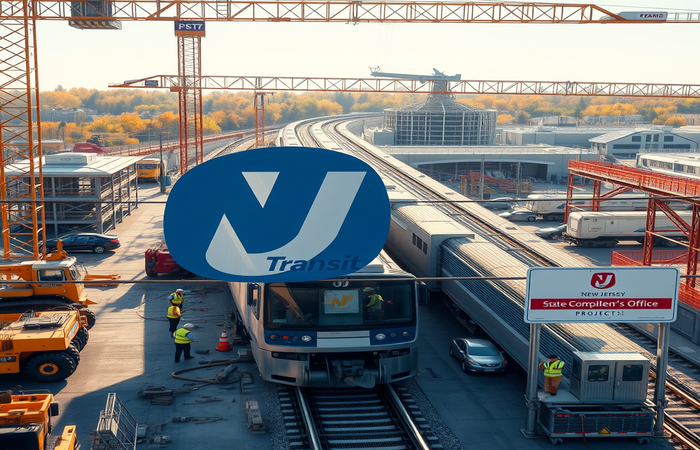
The New Jersey Transit (NJ Transit) is embarking on a significant infrastructure upgrade with the upcoming request for qualifications (RFQ) for the Northern Rail Maintenance of Way (MOW) facility project in Clifton. This initiative marks a critical step in modernizing NJ Transit’s operational capabilities. The RFQ, pending approval from the New Jersey State Comptroller’s Office, initiates a two-phase procurement process designed to identify a qualified design-build team. This team will be responsible for the final design, construction, and commissioning of the new facility. This project is not merely a construction endeavor; it’s a strategic investment in the future of the region’s rail infrastructure, ensuring enhanced efficiency, reliability, and resilience for years to come. The aim of this article is to delve into the specifics of the project, the benefits it promises, and the broader implications for NJ Transit and its ridership.
The Necessity for Modernization
The genesis of the Northern Rail MOW facility project lies in the urgent need to replace the existing Wood-Ridge MOW facility. This facility, burdened by its age and susceptibility to flooding, presents significant operational challenges to NJ Transit. The vulnerability of the existing facility to adverse weather conditions has repeatedly disrupted maintenance operations and, consequently, the timely upkeep of the rail infrastructure. The new facility is strategically located to mitigate these risks, providing a more robust and reliable base for maintenance activities. Beyond just relocating the maintenance functions, the project is centered around implementing modern technologies and infrastructure. This upgrade will lead to improved efficiency in maintaining the right-of-way and railroad infrastructure, guaranteeing that NJ Transit can deliver consistent, dependable service to its commuters.
Scope of the Project
The Northern Rail MOW facility project encompasses a multifaceted scope of work. This includes the demolition and environmental abatement of the existing facility and its substructures. The subsequent construction phase involves the erection of three new buildings across two NJ Transit sites. This phase demands intricate site grading to optimize functionality and promote effective drainage. Crucially, the project includes the construction of new access roads and parking areas, essential for the seamless movement of personnel and equipment. Additionally, there’s the intricate coordination of site utilities and the integration of advanced maintenance equipment. This detailed approach guarantees that the new facility will be state-of-the-art and capable of supporting the evolving needs of NJ Transit’s maintenance operations.
The Design-Build Approach
NJ Transit’s adoption of a two-phase procurement process centered around the design-build methodology underscores a commitment to efficiency and innovation. This approach streamlines the project timeline by integrating the design and construction phases under a single contract. It encourages close collaboration between designers and builders from the outset, ensuring that constructability considerations are integrated into the design process. This collaborative strategy typically leads to cost savings, minimizes potential delays, and fosters a more adaptable project execution. The RFQ represents the first phase of this process, where prospective teams will be assessed based on their qualifications, experience, and ability to deliver a project of this magnitude. The second phase will involve a request for proposal (RFP) from the qualified teams, where they will present their detailed designs and construction plans.
Anticipated Benefits and Long-Term Implications
The new Northern Rail MOW facility promises a multitude of benefits for NJ Transit and, ultimately, its ridership. It will enhance the agency’s ability to maintain its extensive rail network efficiently. The modernized spaces designed for maintenance, servicing, and repair of vehicles will allow for quicker turnaround times and improved vehicle performance. These efficiencies will translate into fewer service disruptions, reduced delays, and a more reliable commuter experience. Additionally, the strategic relocation and design of the facility will enhance its resilience to external threats, such as extreme weather events. The project also has the potential to stimulate economic growth in the region through job creation and contracts awarded to local businesses. This project represents a step towards a more sustainable and efficient rail transportation system for New Jersey.
Conclusion
To summarize, the Northern Rail Maintenance of Way (MOW) facility project is a strategically vital undertaking for New Jersey Transit. This project goes beyond a simple infrastructure replacement; it’s a detailed upgrade designed to bring significant benefits. By initiating the RFQ process, NJ Transit is proactively addressing the shortcomings of its aging infrastructure and preparing for the future. The adoption of the design-build approach signifies a commitment to efficiency and innovation, ensuring a streamlined project timeline and improved collaboration. The new facility promises enhanced maintenance capabilities, reduced service disruptions, and a more reliable commuter experience. The strategic relocation and modern design will boost resilience and operational efficiency. The positive impacts of this project will be felt by commuters and the region. It represents a critical step towards a more sustainable and efficient rail transportation system. This initiative underscores NJ Transit’s commitment to providing its riders with safe, dependable, and modern public transportation services.
Summary of relevant companies:
- New Jersey Transit (NJ Transit): The primary entity driving this project, responsible for public transportation in New Jersey, including rail, bus, and light rail services.
- New Jersey State Comptroller’s Office: This governmental body oversees the financial aspects of the project, ensuring fiscal responsibility and adherence to state regulations.

Railway infrastructure, rolling stock and transport technologies specialist focused on global rail industry developments, high-speed rail systems, signaling technologies and freight transportation. Covering railway investments, public transport modernization, rail operations and international mobility projects across Europe, Asia and North America.
RELATED POSTS

October 1, 2026 7:09 am
United States regulators confirmed a September 30 deadline for the...

October 4, 2026 5:14 pm
Alstom secured a CA$4.7 billion order from VIA Rail Canada...

October 6, 2026 2:14 am
Union Pacific launched export rail shipments with Ferromex to deliver...

October 1, 2026 12:13 am
Illinois approved $1.5 billion annually for the Northern Illinois Transit...

October 8, 2026 1:15 pm
Alstom secured a €1bn contract to build 13 automated trains,...

October 1, 2026 6:10 am
Amtrak approved a System Expansion Committee on July 30 to...