
Le Train’s Delay: High-Speed Rail Challenges, 2027 Launch
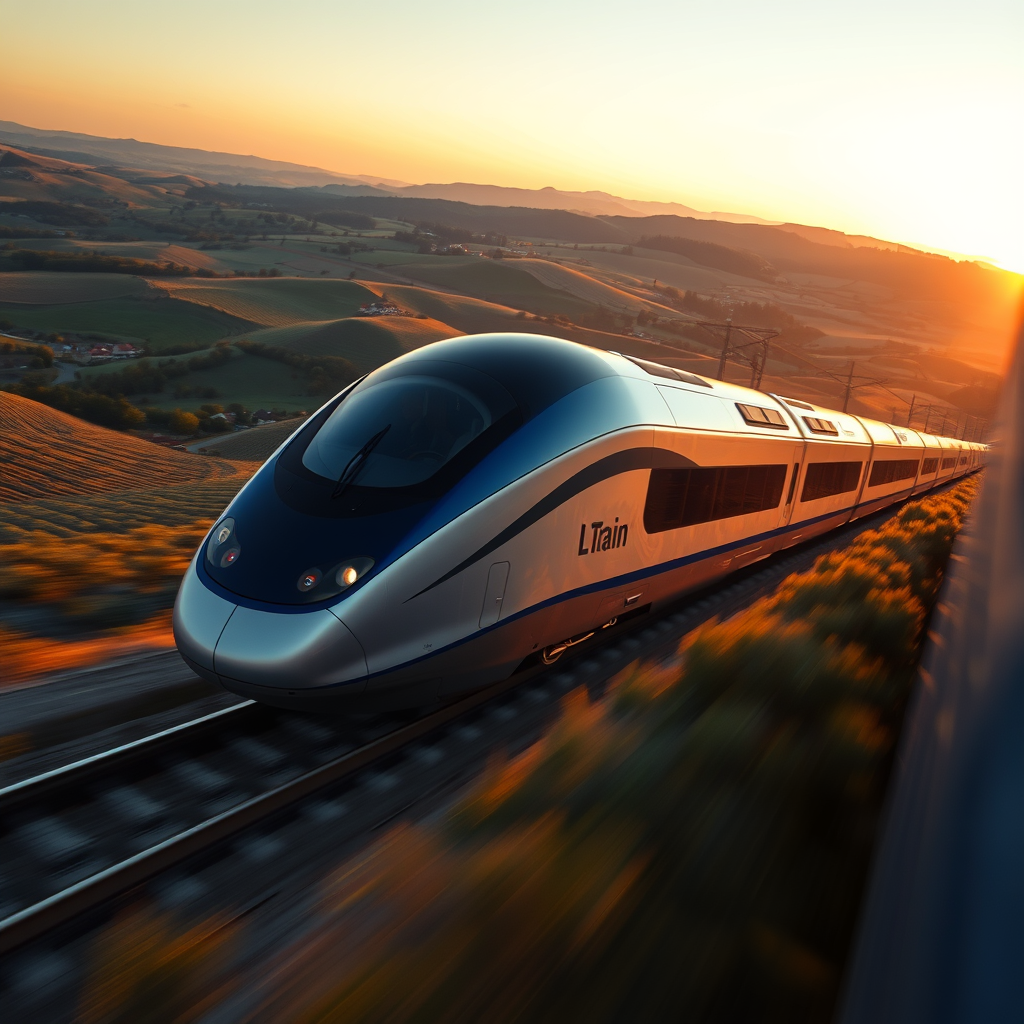
Le Train’s delayed launch into France’s high-speed rail market is primarily due to its inability to procure sufficient rolling stock on time, exacerbated by a lack of a second-hand market for modern high-speed trains and substantial costs associated with new trainset purchases.
Introduction
The European high-speed rail market is experiencing a period of significant transformation, marked by the emergence of open-access operators aiming to challenge established national incumbents. This article focuses on Le Train, a French start-up intending to provide high-speed rail services. Initially slated to commence operations in late 2025, Le Train has recently announced a postponement of its launch date to 2027. This delay highlights the complex challenges faced by new entrants in securing rolling stock and navigating the intricacies of the European high-speed rail landscape. We will examine the reasons behind this postponement, focusing on the procurement of rolling stock, the scarcity of a second-hand market, and the company’s evolving expansion plans. Additionally, we will analyze the broader implications of these challenges for future open-access rail ventures within Europe and the strategic decisions necessary for success in this competitive environment.
Rolling Stock Acquisition Challenges
The primary reason cited for Le Train’s delayed launch is the procurement of its high-speed trainsets. While an initial agreement with Talgo (a Spanish rolling stock manufacturer) anticipated delivery in 2025, the reality of new rolling stock production lead times has pushed the delivery date back to 2027. This underscores a critical issue for new entrants: the lengthy lead times inherent in the manufacturing process of high-speed trains. This is exacerbated by the global demand for modern rolling stock, leading to manufacturing backlogs and potential delays. The substantial cost associated with ordering new rolling stock – estimated at over $300 million for Le Train – further underscores the significant capital investment required to enter the high-speed rail market.
The Absence of a Second-Hand High-Speed Rail Market
Unlike other sectors of the transportation industry, a robust second-hand market for high-speed rolling stock is virtually non-existent in Continental Europe. Le Train’s inability to source pre-owned trains significantly impacted its operational timeline. This scarcity is attributed to several factors, including the highly specialized nature of high-speed trains, the rigorous maintenance requirements, and the significant technological differences between generations of high-speed trains. The lack of a second-hand market forces new entrants to invest heavily in the purchase of brand-new trainsets, adding to the financial burden of market entry and potentially deterring other aspiring operators.
Expansion Plans and Strategic Considerations
Despite the delay, Le Train continues to attract investor interest and has used this time to expand its strategic vision. While initially focusing on the “Grande Oueste” region (Greater West) of France, the company now plans to serve other major French cities, leveraging existing high-speed rail infrastructure. This expansion will require further investment and coordination with national rail infrastructure managers, highlighting the strategic importance of securing robust partnerships and navigating the complex regulatory environment. The company’s decision to utilize existing infrastructure minimizes the need for extensive new track construction, reducing overall project costs and complexities.
Funding and Future Outlook
Le Train’s ongoing fundraising efforts suggest continued confidence in the long-term viability of its business model. The securing of new investors, rather than relying solely on existing partners, demonstrates a broadening of the company’s financial base and a belief in the future potential of the open-access high-speed rail market in France. However, the success of Le Train, and other similar ventures, will critically depend on several factors. These include the ability to secure sustainable funding, navigate complex regulatory hurdles, effectively manage operational costs, and create a compelling value proposition for passengers within a competitive market dominated by established national operators. The 2027 launch date provides additional time to solidify these aspects of their business model, and offers a realistic timeframe given the complexities of rolling stock procurement and market entry.
Conclusions
Le Train’s decision to postpone its launch to 2027 reflects the inherent challenges faced by new entrants in the European high-speed rail market. The lack of a robust second-hand market for high-speed rolling stock, coupled with the significant lead times in procuring new trainsets, presents a formidable barrier to entry. This delay, while initially disappointing, allows Le Train to address these challenges strategically, securing necessary funding, refining its route map, and ultimately strengthening its long-term viability. The company’s expanded plans and secured investment demonstrate resilience and an adaptation to the realities of the market. The delay also highlights the need for greater flexibility and adaptability within business planning for new entrants considering similar ventures. The success of Le Train will serve as a crucial case study for future open-access operators, providing valuable insights into the strategic decisions and operational challenges that must be addressed to succeed in this complex and highly capital-intensive sector. The experience gained by Le Train during this period will be invaluable, not only to their own operations, but also as a learning experience for other companies considering entering the European high-speed rail market. The future of open access rail in Europe hinges on successful business models such as this, and the insights gained from Le Train’s journey will be invaluable to industry professionals and regulators alike.

Railway infrastructure, rolling stock and transport technologies specialist focused on global rail industry developments, high-speed rail systems, signaling technologies and freight transportation. Covering railway investments, public transport modernization, rail operations and international mobility projects across Europe, Asia and North America.
RELATED POSTS

October 8, 2026 1:15 pm
Alstom secured a €1bn contract to build 13 automated trains,...

October 1, 2026 7:09 am
United States regulators confirmed a September 30 deadline for the...

October 8, 2026 12:18 pm
Siemens Mobility signed an agreement with VinSpeed to supply 350...

October 4, 2026 5:14 pm
Alstom secured a CA$4.7 billion order from VIA Rail Canada...

October 5, 2026 6:12 pm
AECOM and Jacobs secured a contract in September 2026 to...

October 4, 2026 11:08 pm
Sound Transit confirmed the September 30 opening of Seattle Pinehurst...