
NZ Rail: Workforce Crisis Looms, Future Skills Needed
The Australasian Railway Association’s “Building New Zealand Rail Skills for the Future” report highlights a looming workforce crisis in New Zealand’s rail sector due to an aging workforce, skill shortages, low awareness among young professionals, and outdated perceptions, necessitating strategic planning, skills development investment, and enhanced collaboration to ensure sustainable growth and efficient operations.
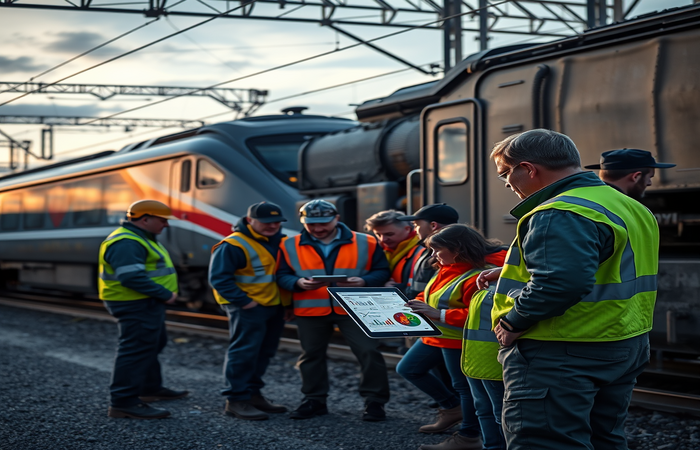
New Zealand’s Rail Industry Faces Looming Workforce Crisis
A new report, “Building New Zealand Rail Skills for the Future,” paints a stark picture of the challenges confronting the nation’s rail sector. Released by the Australasian Railway Association (ARA), in collaboration with the workforce development council Hanga-Aro-Rau, and prepared by PwC, the report highlights critical issues including an aging workforce, skills shortages, and difficulties attracting and retaining talent. With over a quarter of the rail workforce projected to retire within the next decade, the report emphasizes the urgent need for strategic workforce planning, investment in skills development, and enhanced sector collaboration. The future of New Zealand’s rail infrastructure and services hinges on the industry’s ability to address these challenges proactively. The report underscores the importance of long-term investment strategies, modernizing perceptions of rail careers, and building a future-ready workforce to ensure the sustainable growth and efficiency of the rail network.
The Retirement Cliff and Skill Shortages
The report’s findings reveal a critical demographic challenge: a significant portion of the rail workforce is nearing retirement. This “retirement cliff” poses a substantial threat to the industry’s operational capacity. Simultaneously, the report identifies persistent skill shortages, particularly in specialized areas such as signalling engineering, overhead traction, and digital rail systems. These highly technical fields require specific expertise that is proving difficult to source locally. The absence of dedicated tertiary qualifications in rail engineering and operations further exacerbates the problem. While vocational training programs exist, the report notes inconsistent engagement between the rail sector and tertiary education providers, which limits opportunities for detailed workforce development. This combination of an aging workforce and a lack of readily available skilled professionals creates a pressing need for proactive measures to ensure the continuity of operations and the successful execution of future projects.
Attraction and Retention Challenges
Beyond skills gaps and demographic shifts, the rail industry faces challenges in attracting and retaining new talent. The report identifies several barriers, including low awareness of rail careers among young professionals and outdated perceptions of the industry. The lack of clear career progression pathways further discourages potential employees. To address these issues, the report advocates for initiatives that enhance the sector’s appeal. Flexible working arrangements and diversity and inclusion initiatives are crucial to improving workforce retention, creating a more welcoming and supportive environment for all employees. Additionally, the report emphasizes the importance of promoting the rail industry as a modern and attractive career choice, highlighting the opportunities for innovation and professional development that the sector offers.
The Need for a Future-Ready Workforce
As the rail sector embraces technological advancements, the demand for new skills is increasing. The report stresses the importance of developing expertise in areas such as data analytics, cybersecurity, and digital engineering. These skills are essential for managing digital signalling systems, implementing automation, and utilizing predictive maintenance technologies. The existing workforce needs to be equipped with these new competencies through proactive training initiatives. Additionally, the report highlights the need for a long-term, bipartisan rail investment strategy to provide stability and support workforce planning. The cyclical nature of infrastructure funding has led to workforce instability, with inconsistent demand for skills. A consistent investment plan would allow for more strategic workforce planning and create a more secure and predictable employment environment.
Conclusion
The “Building New Zealand Rail Skills for the Future” report provides a detailed analysis of the workforce challenges facing the New Zealand rail industry, as of 2024. The findings underscore the urgency of addressing an aging workforce, skills shortages, and the difficulties of attracting and retaining talent. The report’s recommendations focus on establishing long-term foundations for workforce sustainability through strategic infrastructure planning and regulatory reform. It emphasizes the need to position rail as a modern, inclusive, and attractive career sector through branding, visibility, and improved workforce insights. Additionally, the report calls for building a future-ready rail workforce through strategic planning, partnerships with educational institutions, international collaborations, and mobility pathways.
In summary, the future success of New Zealand’s rail network hinges on proactive measures that secure a skilled and sustainable workforce. The report’s actionable recommendations provide a roadmap for the industry to overcome its current challenges and adapt to future demands. By embracing these strategies, New Zealand can ensure its rail sector remains a vital component of the nation’s transportation infrastructure, supporting economic growth and delivering efficient and reliable services for years to come.
Summary of Key Companies/Organizations Involved
- Australasian Railway Association (ARA): An industry association focused on promoting and supporting the railway industry in Australasia.
- Hanga-Aro-Rau: A workforce development council in New Zealand.
- PwC (PricewaterhouseCoopers): A multinational professional services network, which provided the report.

Railway infrastructure, rolling stock and transport technologies specialist focused on global rail industry developments, high-speed rail systems, signaling technologies and freight transportation. Covering railway investments, public transport modernization, rail operations and international mobility projects across Europe, Asia and North America.
RELATED POSTS

October 1, 2026 7:09 am
United States regulators confirmed a September 30 deadline for the...

October 8, 2026 1:15 pm
Alstom secured a €1bn contract to build 13 automated trains,...

October 4, 2026 5:14 pm
Alstom secured a CA$4.7 billion order from VIA Rail Canada...

October 8, 2026 12:18 pm
Siemens Mobility signed an agreement with VinSpeed to supply 350...

October 5, 2026 6:12 pm
AECOM and Jacobs secured a contract in September 2026 to...

October 4, 2026 11:08 pm
Sound Transit confirmed the September 30 opening of Seattle Pinehurst...