
HS2, Shinkansen, TGV: Advancements in High-Speed Rail Infrastructure
Here are a few voiceover-friendly excerpts, keeping in mind your guidelines:
**Option 1 (Focus on Innovation):**
> Railway professionals, the future of railway infrastructure is here! Embrace digital transformation and sustainability to optimize capacity and create the railway of tomorrow.
**Option 2 (Focus on Capacity):**
> Expanding networks and optimizing capacity: It’s the future of railway infrastructure. Discover how advanced tech and strategic upgrades will transform our industry.
**Option 3 (Focus on Sustainability):**
> Sustainable transport is the future. The railway industry is leading the way in capacity expansion, technological advancements, and eco-friendly practices.
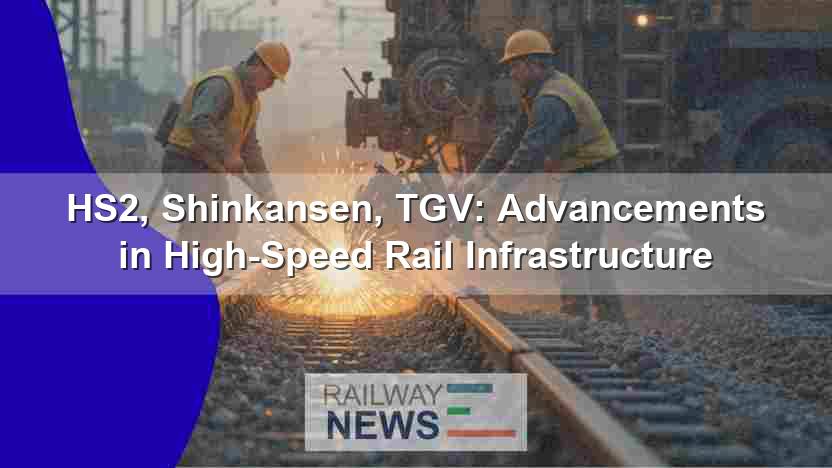
The Future of Railway Infrastructure: Navigating Challenges and Embracing Innovation
The world of railway infrastructure is constantly evolving, driven by a confluence of factors including population growth, urbanization, and the pressing need for sustainable transportation solutions. This article explores the multifaceted challenges and transformative innovations shaping the future of rail networks. We will explore critical areas such as capacity expansion, technological advancements, and the imperative of environmental sustainability. From high-speed rail initiatives to the integration of digital technologies, we will examine how the railway industry is adapting to meet the demands of a rapidly changing world. The goal is to provide a detailed overview of the current landscape and offer insights into the strategies and technologies that will define the railways of tomorrow. This is a journey into the heart of a vital industry, showcasing its resilience, adaptability, and the critical role it plays in shaping a more connected and sustainable future.
Optimizing Capacity and Expanding Networks
Railway systems worldwide face increasing pressure to accommodate growing passenger and freight volumes. This necessitates strategic capacity enhancements, including infrastructure upgrades and the implementation of advanced signaling systems. A crucial aspect of capacity optimization involves increasing track utilization. This can be achieved through the deployment of technologies such as Automatic Train Protection (ATP) and European Train Control System (ETCS). These systems enable closer train headways, thereby allowing more trains to operate safely on the same track. Another strategy involves the construction of new lines, particularly for high-speed rail projects. The development of dedicated high-speed tracks can alleviate congestion on existing lines, improve journey times, and attract passengers from air travel. Additionally, initiatives to electrify existing railway lines contribute to capacity improvements by allowing for the use of more powerful electric locomotives. Investing in railway infrastructure is a long-term endeavor, and careful planning and execution are essential to ensure its success. This planning includes detailed environmental impact assessments, land acquisition strategies, and effective stakeholder engagement.
Technological Advancements and Digital Transformation
The railway industry is undergoing a digital transformation, driven by the integration of cutting-edge technologies. Data analytics, the Internet of Things (IoT), and artificial intelligence (AI) are revolutionizing railway operations, maintenance, and passenger services. Predictive maintenance, for example, uses sensors and data analysis to anticipate equipment failures, thereby minimizing downtime and improving operational efficiency. The implementation of advanced traffic management systems, such as the Digital Railway initiative, allows for real-time monitoring and control of train movements, optimizing network performance. Digital platforms are also enhancing the passenger experience. Mobile ticketing, real-time information, and personalized services are becoming increasingly common. The introduction of autonomous train operation (ATO) represents a significant step toward greater automation and efficiency. ATO systems, coupled with advanced signaling and communication systems, can potentially reduce operating costs and improve safety.
Sustainability and Environmental Considerations
Sustainability is a core focus of the railway industry, as it strives to reduce its environmental impact and contribute to a greener future. Rail transport is inherently more energy-efficient than road and air travel, making it a key component of a sustainable transportation strategy. The transition to electric traction is a critical step in reducing greenhouse gas emissions. Electrifying railway lines powered by renewable energy sources significantly reduces the carbon footprint of rail operations. Initiatives like the development of hydrogen-powered trains offer an alternative to diesel traction. Moreover, the railway industry is actively involved in reducing noise pollution and minimizing the impact of infrastructure projects on natural habitats. This includes implementing noise barriers along railway lines and carrying out environmental impact assessments to mitigate the effects of construction and operation.
You might be interested in:
Last November 2018, we published an article about Thailand’s ambitious high-speed rail project. Click here to read – Thailand’s High-Speed Rail: A Billion-Dollar Bid
Case Studies and Future Outlook
Successful railway projects worldwide serve as models for future development. For instance, the extensive high-speed rail network in Japan, known as the Shinkansen, demonstrates the effectiveness of high-speed rail in connecting major cities and driving economic growth. Similarly, the high-speed rail projects in Europe, such as those in France (TGV) and Germany (ICE), showcase the benefits of investing in modern rail infrastructure. Looking ahead, the railway industry is poised for further innovation and growth. The development of new technologies, such as advanced materials and construction techniques, will enable the building of more durable and efficient infrastructure. Collaboration between governments, railway operators, and technology providers will be crucial to driving innovation and ensuring the successful implementation of railway projects. The focus on sustainability will continue to shape investment decisions, with a growing emphasis on reducing environmental impact and promoting eco-friendly practices. The ongoing expansion of railway networks, coupled with the adoption of digital technologies, holds the key to creating a more efficient, sustainable, and passenger-friendly transport system for the future. The implementation of *HS2 Phase One contracts* is a crucial example of the investment needed.
Conclusion
To summarize, the future of railway infrastructure is bright, characterized by ongoing advancements in capacity, technology, and sustainability. The industry faces challenges, including the need to accommodate growing demand, the complexity of implementing new technologies, and the imperative to reduce environmental impact. However, by embracing innovation and adopting strategic approaches, the railway sector is well-positioned to overcome these obstacles. Capacity expansion, through new lines and network upgrades, is essential for accommodating growing passenger and freight volumes. Technological advancements, such as AI, data analytics, and automation, are transforming operations, maintenance, and the passenger experience. A commitment to sustainability is driving the adoption of electric traction, the development of alternative fuels, and efforts to minimize environmental impact. The successful implementation of projects like HS2 demonstrates the commitment to innovation. The railway industry is at the forefront of creating a more sustainable and connected transportation network, playing a vital role in the future of mobility. Collaboration among stakeholders, ongoing investment in infrastructure, and a commitment to innovation are essential to ensure the long-term success of the railway industry and its contribution to a more sustainable and efficient world.

Railway infrastructure, rolling stock and transport technologies specialist focused on global rail industry developments, high-speed rail systems, signaling technologies and freight transportation. Covering railway investments, public transport modernization, rail operations and international mobility projects across Europe, Asia and North America.
RELATED POSTS

October 5, 2026 6:12 pm
AECOM and Jacobs secured a contract in September 2026 to...

October 4, 2026 11:08 pm
Sound Transit confirmed the September 30 opening of Seattle Pinehurst...
October 6, 2026 9:17 am
Illinois approved $1.1M in state funds to upgrade two McHenry...
October 6, 2026 12:16 am
FTA awarded $233 million in grants to eight US rail...
October 5, 2026 3:13 pm
DART launched a 90-day fare enforcement pilot across 5 light-rail...
October 6, 2026 12:12 pm
Amey secured an eight-year contract from Irish Rail to design,...