
Vossloh Secures €50M Low-Carbon Rail Ties in Norway
Vossloh secured a €50 million order for low-carbon rail ties, reducing emissions over 40% for Bane NOR in Norway.
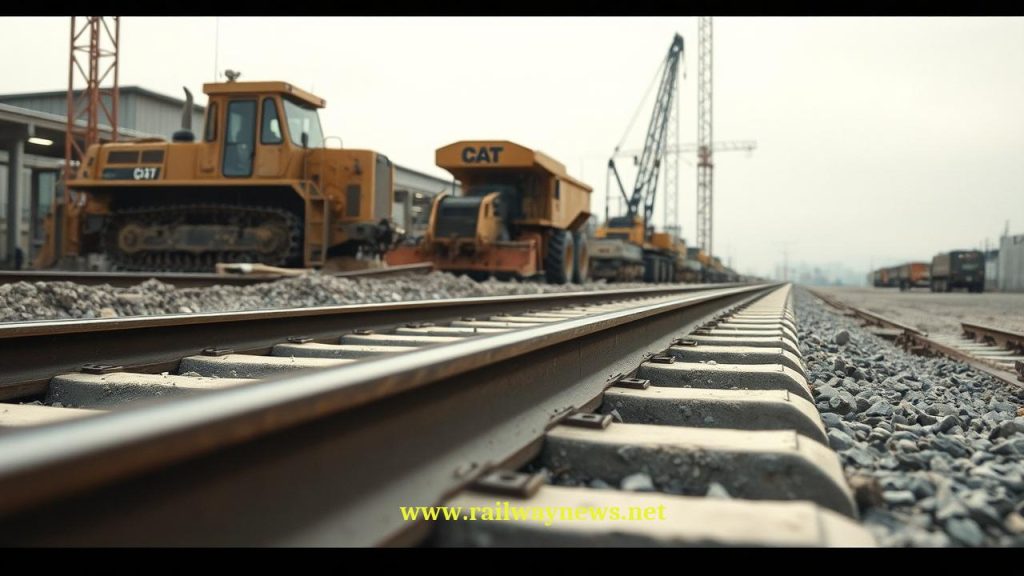
⚡ In Brief: Vossloh secured a framework agreement with Norway’s Bane NOR to supply up to three million low-carbon concrete rail ties over eight years, with an initial two-year order valued at approximately €50 million, reducing production emissions by over 40%.
OSLO, NORWAY – Vossloh’s subsidiary, Sateba Norway, has secured a framework agreement with Norwegian railway infrastructure operator Bane NOR to supply concrete rail ties for up to eight years. The initial two-year order is valued at around €50 million. The agreement covers the delivery of up to three million ties produced with a lower-emissions cement, reducing greenhouse gases by over 40% compared to previous supplies.
What Does This Contract Cover?
The framework agreement encompasses the supply of up to three million concrete rail ties over a potential eight-year term. The contract’s initial confirmed phase runs for two years with an order value of approximately €50 million, with environmental aspects being a key factor in the award. The core technical specification involves using cement produced with CO2 capture, which significantly lowers production emissions. The total potential value of the full eight-year agreement was not disclosed.
Key Contract Data
| Parameter | Value |
|---|---|
| Contract Name | Bane NOR Concrete Rail Tie Supply |
| Total Value | ~€50 million (first 2 years); full 8-year value not disclosed |
| Parties Involved | Bane NOR (operator), Sateba Norway (supplier, Vossloh subsidiary) |
| Timeline / Completion | Up to eight years, with an initial two-year term confirmed |
| Country / Corridor | Norway |
How Does This Compare to Similar Contracts?
Direct cost comparisons for national rail tie supply contracts are not publicly itemized, but the deal’s focus on environmental specifications reflects a wider industry pressure on supplier margins and product innovation. Rail component manufacturers are navigating a market where specialized, higher-value products can improve financial results. For example, FreightCar America recently reported an improved gross margin despite lower revenue, attributing the shift to a more favorable product mix (Source: FreightCar America, 2025). This suggests operators are specifying components that meet strategic goals like sustainability, even as suppliers manage the financial risks of fixed-price contracts common in the sector.
Editor’s Analysis
This contract award to Vossloh highlights a critical shift in public infrastructure procurement, where sustainability metrics are now weighted alongside price and quality. For suppliers, this requires investment in green production technologies to remain competitive for state-backed projects. This deal proceeds even as Norway’s government moderates its economic outlook, trimming its 2026 non-oil GDP growth forecast from 2.1% to 1.8%, which could signal tighter fiscal scrutiny for future large-scale infrastructure investments (Source: Reuters, 2026).
FAQ
Q: What makes these rail ties “low-carbon”?
A: The concrete ties are produced using cement manufactured with CO2 capture technology. This process lowers emissions during the cement production phase by more than 40% compared to the ties Bane NOR used previously.
Q: What is the total value of the eight-year contract?
A: The source only specifies the value for the first two years, which is approximately €50 million. The total potential value for the full eight-year term has not been publicly disclosed by Vossloh or Bane NOR.
Q: How does this deal fit into Norway’s broader railway strategy?
A: This procurement aligns with Bane NOR’s focus on reducing the environmental impact of its infrastructure. The decision to prioritize lower-emission materials indicates that sustainability-focused upgrades remain a priority for the national operator, even within a more cautious national economic forecast.

Railway infrastructure, rolling stock and transport technologies specialist focused on global rail industry developments, high-speed rail systems, signaling technologies and freight transportation. Covering railway investments, public transport modernization, rail operations and international mobility projects across Europe, Asia and North America.
RELATED POSTS

October 8, 2026 1:15 pm
Alstom secured a €1bn contract to build 13 automated trains,...

October 1, 2026 7:09 am
United States regulators confirmed a September 30 deadline for the...

October 8, 2026 12:18 pm
Siemens Mobility signed an agreement with VinSpeed to supply 350...

October 4, 2026 5:14 pm
Alstom secured a CA$4.7 billion order from VIA Rail Canada...

October 1, 2026 12:13 am
Illinois approved $1.5 billion annually for the Northern Illinois Transit...

October 5, 2026 6:12 pm
AECOM and Jacobs secured a contract in September 2026 to...