
EN 50125-2 Defines Railway Vehicle Safety Standards
EN 50125-2 defines environmental and mechanical requirements for railway vehicles, ensuring safe, reliable, and resilient rolling stock under varying operating conditions.
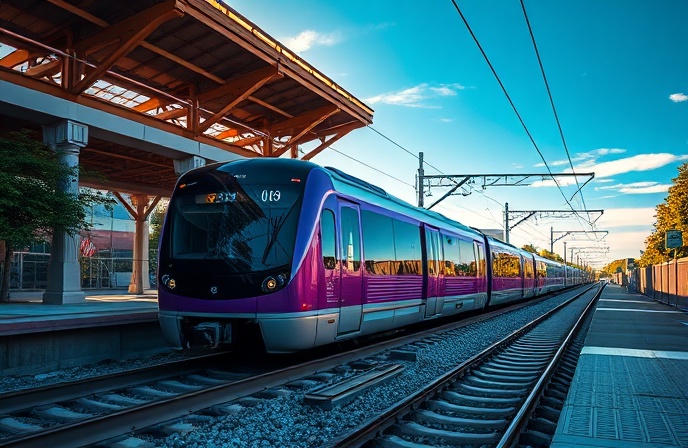
What Is EN 50125-2?
EN 50125-2 is a European standard that specifies environmental and mechanical requirements for railway vehicles.
It defines conditions for temperature, humidity, shock, and vibration to ensure safe, reliable, and resilient operation of rolling stock in diverse European operating environments.
Importance of EN 50125-2
Railway vehicles are exposed to varying environmental and mechanical stresses during operation.
EN 50125-2 standardizes environmental classification, shock, vibration, and operational testing to prevent failures, maintain reliability, and extend vehicle service life.
- Specifies environmental conditions (temperature, humidity, precipitation)
- Defines shock and vibration levels during operation
- Supports resilient vehicle design under harsh conditions
- Ensures interoperability across European rail networks
Scope and Technical Coverage
The standard applies to all types of railway vehicles including locomotives, passenger coaches, and freight wagons.
It covers environmental classifications, shock and vibration limits, testing procedures, and compliance documentation.
- Temperature and humidity classes for different operating regions
- Shock and vibration limits during transport and operation
- Testing procedures for environmental and mechanical stresses
- Inspection and maintenance recommendations
- Documentation for compliance verification
Key Technical Parameters
| Parameter | Description | Operational Impact |
|---|---|---|
| Temperature Range | Minimum and maximum ambient temperatures for operation | Ensures vehicle systems function reliably in all conditions |
| Humidity Class | Allowed humidity levels and condensation considerations | Prevents corrosion, electrical faults, and material degradation |
| Shock and Vibration | Maximum mechanical loads during acceleration, braking, and track irregularities | Protects vehicle integrity and passenger comfort |
| Testing & Verification | Environmental and mechanical stress tests for vehicle systems | Ensures compliance with operational reliability and safety standards |
Relationship with Other Standards
EN 50125-2 complements EN 15528 (rolling stock design), EN 15807 (wheelsets), and UIC 526-1 (bogies and axle loads).
It ensures vehicles are safe, reliable, and resilient under diverse environmental and mechanical conditions.
- Supports EN 15528 rolling stock design standards
- Integrates with EN 15807 wheelset and axle requirements
- Ensures compatibility with UIC 526-1 bogie and load specifications
Who Uses EN 50125-2?
The standard is applied by rolling stock manufacturers, railway operators, maintenance teams, and certification authorities to ensure vehicles operate reliably and safely in all environmental conditions.
- Rolling stock designers and manufacturers
- Railway operators and infrastructure managers
- Maintenance and inspection teams
- Certification authorities and safety auditors
Frequently Asked Questions

Railway infrastructure, rolling stock and transport technologies specialist focused on global rail industry developments, high-speed rail systems, signaling technologies and freight transportation. Covering railway investments, public transport modernization, rail operations and international mobility projects across Europe, Asia and North America.