
EN 13260: Ensuring Safety with Buffers and Couplings in Rail Vehicles
EN 13260 standardizes railway vehicle buffer and coupling safety, ensuring crashworthiness and protection for passengers and cargo worldwide.
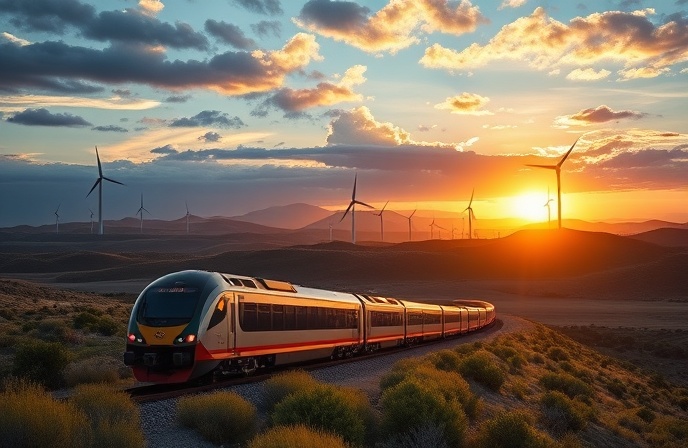
Introduction to EN 13260
EN 13260 is a European standard that defines safety requirements for buffers and couplings on railway rolling stock. It ensures crashworthiness, energy absorption, and the protection of passengers, crew, and cargo in the event of collisions or sudden decelerations.
Scope and Purpose
The standard applies to passenger coaches, freight wagons, and other rail vehicles, providing guidance for the design, testing, and maintenance of buffers and couplings. Its main goal is to reduce the risk of injury and damage during train operations.
Key Components
- Buffers: Specifies design criteria, impact absorption, and alignment for safe energy dissipation.
- Couplings: Defines strength, durability, and correct operation to prevent accidental uncoupling.
- Crashworthiness: Establishes requirements for energy absorption during collisions to minimize harm.
- Testing Procedures: Standardizes laboratory and field tests for performance validation.
Comparison Table
| Component | EN 13260 Requirement | Typical Practice |
|---|---|---|
| Buffer Energy Absorption | Minimum 150 kJ | 120 kJ |
| Coupling Tensile Strength | ≥ 200 kN | 180 kN |
| Crash Test Interval | Every 10 years | Every 15 years |
Implementation and Benefits
EN 13260 is widely adopted across European and international rail operators to standardize vehicle safety. Its application reduces damage during collisions, protects passengers and cargo, and ensures the reliability of couplings and buffers.
Snippet Bait
EN 13260 sets the international safety standards for buffers and couplings on rail vehicles, ensuring crashworthiness, energy absorption, and passenger protection.

Railway infrastructure, rolling stock and transport technologies specialist focused on global rail industry developments, high-speed rail systems, signaling technologies and freight transportation. Covering railway investments, public transport modernization, rail operations and international mobility projects across Europe, Asia and North America.