
The Backbone of the Train: Structural Standards Explained (EN 12663)
EN 12663 defines the structural requirements for railway vehicle bodies. Learn how this standard classifies trains into load categories (P-I to P-V) to ensure mechanical safety.
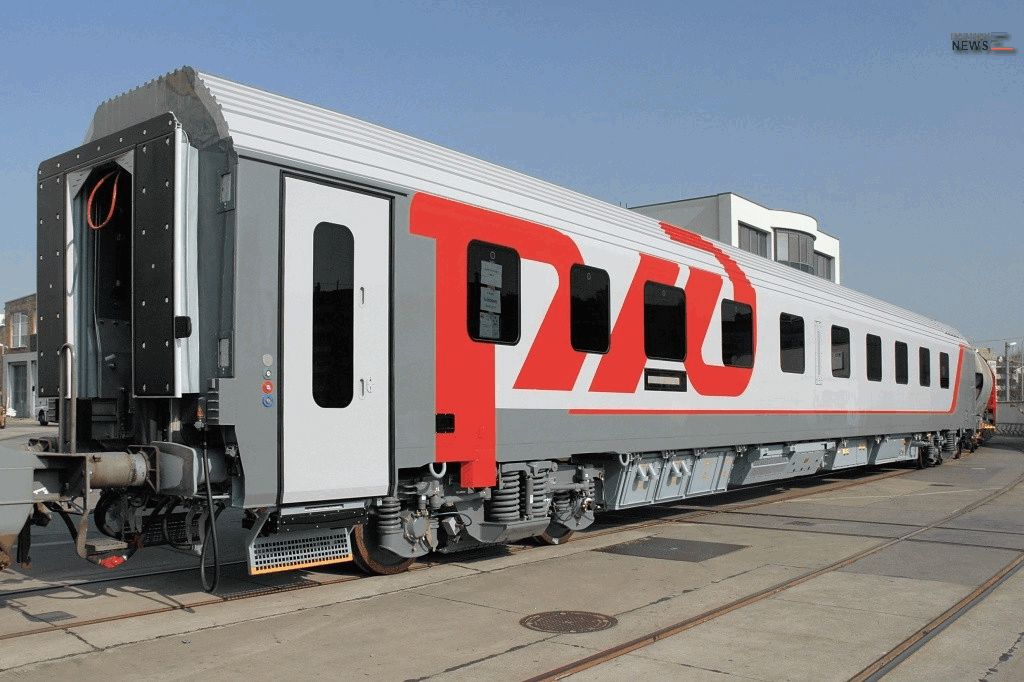
What is EN 12663?
EN 12663 is the European Standard titled “Railway applications – Structural requirements of railway vehicle bodies.” It serves as the fundamental engineering bible for designing the car body (shell) of any train operating in Europe. The standard dictates exactly how strong a train’s frame must be to withstand daily operations, heavy crowding, and coupling shocks without deforming or cracking.
The standard is divided into two main parts to address different types of rolling stock:
- EN 12663-1: Covers Locomotives and Passenger rolling stock (and an alternative method for freight).
- EN 12663-2: Specifically covers Freight wagons, dealing with the unique heavy-haul stresses they endure.
Vehicle Structural Categories
Not all trains face the same physical forces. A high-speed train and a city tram operate in vastly different environments. EN 12663 classifies vehicles into categories to apply appropriate Proof Load requirements:
- Category L: Locomotives and power heads (Highest longitudinal strength requirement).
- Category P-I: Standard coaches and high-speed trains.
- Category P-II: Fixed consists (trainsets) where inner couplings see less force.
- Category P-III: Metros and Rapid Transit vehicles.
- Category P-IV & P-V: Light rail and Tramway vehicles (Lower buffing loads due to street-running nature).
- Category F-I & F-II: Freight wagons (Designed for rough shunting operations).
Comparison: Structural Strength (EN 12663) vs. Crashworthiness (EN 15227)
It is a common misconception that EN 12663 covers collisions. In reality, it ensures the train stays rigid under normal high loads, while EN 15227 handles what happens when things go wrong (crashes).
| Feature | EN 12663 (Structural Requirements) | EN 15227 (Crashworthiness) |
|---|---|---|
| Primary Goal | Prevent deformation during operation (Stiffness & Fatigue) | Control deformation during accidents (Energy Absorption) |
| Load Type | Static & Cyclic loads (e.g., crowding, coupling) | Dynamic impact loads (e.g., 36 km/h collision) |
| Design Philosophy | “The body must remain elastic and not break.” | “The crumple zones must yield to protect the cabin.” |
| Key Metric | Buffing Load (e.g., 1500 kN or 2000 kN) | Energy Absorption (in MegaJoules) |
Design Validation Process
To comply with EN 12663, manufacturers must follow a rigorous validation process. This typically begins with computer simulations using Finite Element Analysis (FEA) to identify high-stress areas. Finally, the physical car body undergoes static testing on a test rig, where hydraulic rams apply massive forces (simulating full passenger load and coupling shocks) to verify that the structure behaves exactly as calculated.

Railway infrastructure, rolling stock and transport technologies specialist focused on global rail industry developments, high-speed rail systems, signaling technologies and freight transportation. Covering railway investments, public transport modernization, rail operations and international mobility projects across Europe, Asia and North America.