
DB Cargo UK Sells Locomotives: Boost for Romanian Rail Freight
DB Cargo UK sells 25 Class 66 locomotives to GFR, modernizing the Romanian fleet with robust diesel-electric power, boosting freight reliability across Europe.
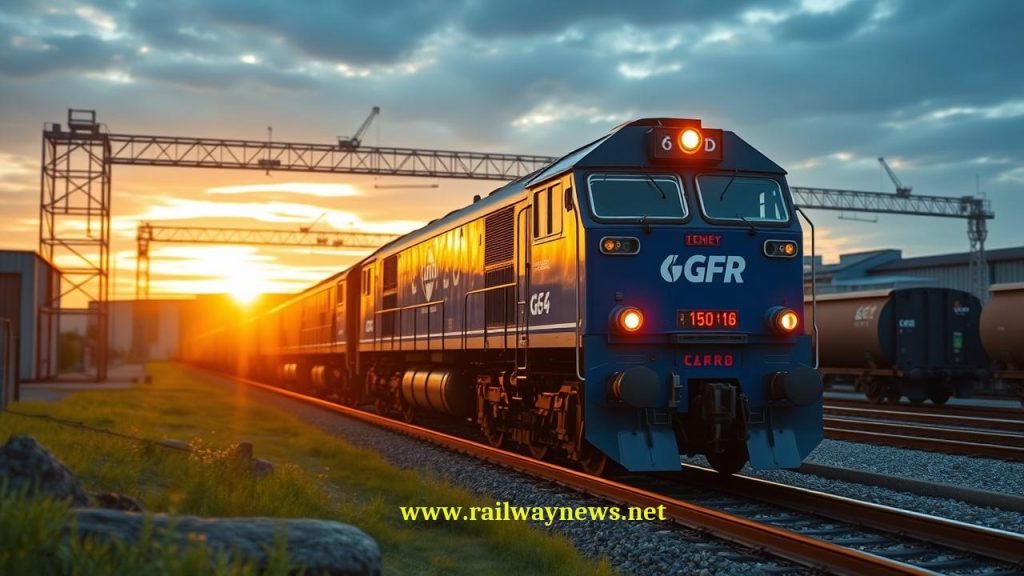
LONDON, UK – 19 January 2026 – In a landmark multi-million-pound agreement, DB Cargo UK is set to transfer 25 of its proven Class 66 locomotives to Grup Feroviar Roman (GFR), Romania’s largest private rail freight operator. This significant cross-border transaction will modernise GFR’s fleet and bolster freight service reliability across the crucial Central and South-Eastern European corridors.
| Category | Details |
|---|---|
| Transaction | Sale of 25 Class 66 Diesel-Electric Locomotives |
| Seller | DB Cargo UK |
| Buyer | Grup Feroviar Roman (GFR) |
| Delivery Schedule | January 2026 – Mid-2028 |
| Key Technical Spec | EMD 12N-710G3B Engine (~3,200 hp) |
DB Cargo UK has confirmed the sale as part of an ongoing fleet optimisation strategy, stating the 25 units are surplus to its long-term operational needs. The first locomotive, 66014, is scheduled to depart DB Cargo UK’s Toton depot in Nottinghamshire at the end of January 2026, with the full consignment expected to be in service with GFR by mid-2028. Before export, each locomotive will be fully reinstated to current UK operational standards and repainted in GFR’s distinctive blue livery, ensuring they are ready for immediate deployment upon arrival.
The Class 66, a product of Electro-Motive Diesel (EMD), is a highly regarded workhorse known for its robust performance and reliability. Powered by a 3,200 horsepower EMD 12N-710G3B two-stroke diesel engine, the locomotives provide superior tractive effort and availability compared to GFR’s legacy fleet. This acquisition allows GFR to strategically replace its ageing LDE 2100 locomotives, which have become increasingly difficult and expensive to maintain due to their age and a scarcity of spare parts. The enhanced power and efficiency of the Class 66 mean that GFR can withdraw a greater number of older units than the 25 being acquired, streamlining its maintenance and operational footprint.
This deal underscores a growing trend of cascading high-quality, well-maintained rolling stock from established Western European markets to operators in Central and Eastern Europe. While the exact value of the deal remains undisclosed, it represents a significant, yet cost-effective, investment for GFR when compared to the price of new-build traction. For context, recent procurements of new locomotives, such as the New York MTA’s $233 million order for 25 new diesel-battery hybrids, highlight the substantial capital required for new fleets. By acquiring these proven UK assets, GFR can rapidly modernise its capabilities and improve service resilience, a critical factor in a region often facing operational disruptions from severe weather, as seen earlier this month across Central Europe.
Key Takeaways
- Strategic Fleet Modernisation: GFR will replace its outdated LDE 2100 fleet with more powerful, reliable, and efficient Class 66 locomotives, enhancing service capability across 10 European countries.
- Asset Lifecycle Extension: The transaction represents a successful example of the circular economy in rail, extending the operational life of valuable Class 66 assets in a new, demanding market.
- Cross-Continent Connectivity: The deal strengthens operational ties and standards between the UK and mainland European freight networks, facilitating smoother cross-border logistics.
Editor’s Analysis
This sale is more than just a transfer of assets; it’s a strategic masterstroke for both parties and a bellwether for the European rail freight market. For DB Cargo UK, it’s a shrewd move to monetise surplus capacity while streamlining its own fleet. For GFR, it’s a cost-effective leap forward in technology, allowing it to compete more aggressively without the prohibitive expense of new-build locomotives. This cascading of reliable, second-hand assets from Western to Eastern Europe is a vital mechanism for levelling the playing field and accelerating the modernisation of the continent’s entire rail network. It demonstrates that sustainable fleet management is not just about buying new, but also about intelligently redeploying proven technology where it can deliver the most value.
Frequently Asked Questions
- Why is DB Cargo UK selling the Class 66 locomotives?
- The sale is part of DB Cargo UK’s long-term fleet optimisation strategy. The 25 locomotives were identified as surplus to their future operational requirements in the UK.
- What locomotives will the Class 66s replace in GFR’s fleet?
- The Class 66 units will progressively replace GFR’s ageing LDE 2100 fleet, which has become costly to maintain due to its age and the limited availability of spare parts.
- What is the timeline for the delivery of the locomotives to Romania?
- The first locomotive is scheduled for delivery at the end of January 2026. The full order of 25 units is expected to be completed by the middle of 2028.

Railway infrastructure, rolling stock and transport technologies specialist focused on global rail industry developments, high-speed rail systems, signaling technologies and freight transportation. Covering railway investments, public transport modernization, rail operations and international mobility projects across Europe, Asia and North America.
RELATED POSTS

October 1, 2026 7:09 am
United States regulators confirmed a September 30 deadline for the...

October 4, 2026 5:14 pm
Alstom secured a CA$4.7 billion order from VIA Rail Canada...

October 6, 2026 2:14 am
Union Pacific launched export rail shipments with Ferromex to deliver...

October 1, 2026 12:13 am
Illinois approved $1.5 billion annually for the Northern Illinois Transit...

October 1, 2026 6:10 am
Amtrak approved a System Expansion Committee on July 30 to...

October 8, 2026 1:15 pm
Alstom secured a €1bn contract to build 13 automated trains,...