
BNSF Reports 2025 U.S. Dwell Time Cut by 13%, Velocity Up 10%
BNSF Railway cut U.S. dwell time 13% in 2025, boosting network velocity 10%. This improves service and strengthens freight competitiveness.
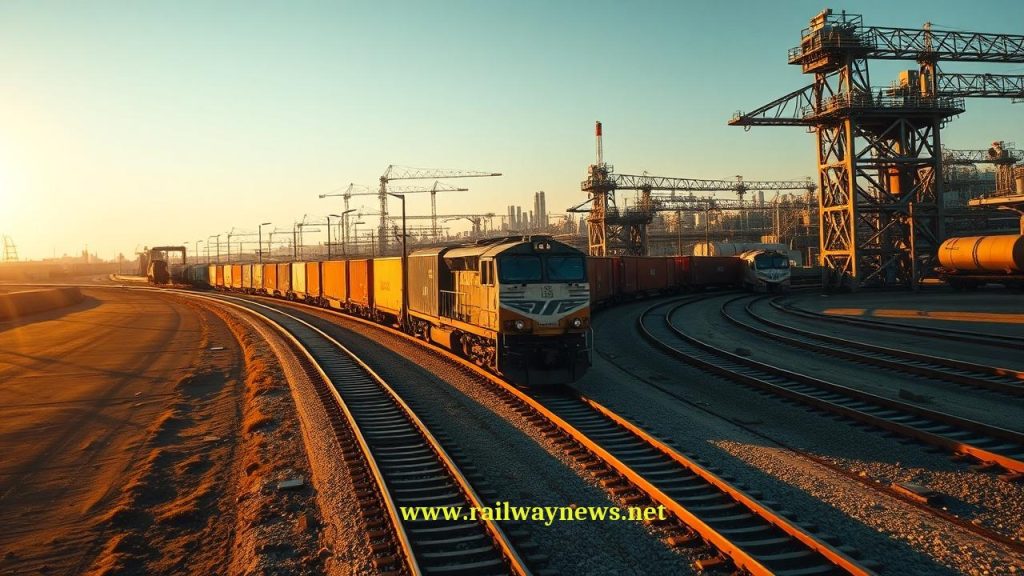
BNSF Railway 2025 Performance Metrics
In 2025, BNSF Railway improved its service metrics across its United States network, reducing merchandise train dwell times by 13%. This operational enhancement lowered the average time rail cars spent at terminals by three hours compared to the previous year. Concurrently, network-wide velocity increased by approximately 10%.
Network Performance and Metrics
The improvements in BNSF’s key performance indicators reflect increased fluidity across its rail system. Dwell time, a measure of asset utilization and terminal efficiency, reached historic lows. The 10% increase in velocity, which measures the average speed of trains from origin to destination, indicates faster transit times and a more reliable service product for shippers.
| Metric (2025 vs. Previous Year) | Value |
|---|---|
| Merchandise Dwell Time Reduction | 13% |
| Average Terminal Time Savings | 3 hours |
| Network Velocity Increase | 10% |
Competitive Market Positioning
BNSF’s operational gains occurred within a broader U.S. freight market context of constrained trucking capacity and rising road-haul rates. According to freight broker C.H. Robinson, trucking capacity is shrinking as smaller carriers exit the market and federal oversight of driver licensing and safety requirements intensifies. This market pressure has created an opportunity for rail operators, including BNSF, CSX Corp, and Union Pacific, to recapture freight from the trucking sector.
The enhanced service metrics directly strengthen BNSF’s position in the competitive freight landscape. BMO Capital Markets analysis indicates that a tight truckload market supports growth in domestic intermodal volumes. By reducing transit times and improving terminal throughput, BNSF can offer a more attractive service for shippers weighing cost and speed. The efficiency gains are particularly relevant for competition on shorter routes, where rail must overcome trucking’s inherent speed advantage.
Earlier this year, Melbourne’s public transport received a significant boost. Full article title 📰
Analysis from freight broker Traffix suggests that as truck rates escalate, rail becomes economically competitive on hauls as short as 750 miles. Historically, intermodal rail has required a cost advantage of approximately 15% to win freight from trucks. BNSF’s improved velocity and reliability allow it to compete more effectively on service, a critical factor for shippers in sectors like e-commerce with high delivery performance expectations. The demonstrated ability to reduce dwell time by three hours per car provides a tangible efficiency gain that can be marketed to customers seeking supply chain stability.
Strategic Outlook
The demonstrated improvements in network efficiency position BNSF to capitalize on continued tightness in the U.S. trucking market. Sustaining these lower dwell times and higher velocities will be critical for retaining freight captured from road transport, especially if trucking capacity and pricing dynamics shift in the future.

Railway infrastructure, rolling stock and transport technologies specialist focused on global rail industry developments, high-speed rail systems, signaling technologies and freight transportation. Covering railway investments, public transport modernization, rail operations and international mobility projects across Europe, Asia and North America.
RELATED POSTS

October 1, 2026 7:09 am
United States regulators confirmed a September 30 deadline for the...

October 8, 2026 1:15 pm
Alstom secured a €1bn contract to build 13 automated trains,...

October 4, 2026 5:14 pm
Alstom secured a CA$4.7 billion order from VIA Rail Canada...

October 1, 2026 12:13 am
Illinois approved $1.5 billion annually for the Northern Illinois Transit...
October 6, 2026 2:14 am
Union Pacific launched export rail shipments with Ferromex to deliver...

October 1, 2026 6:10 am
Amtrak approved a System Expansion Committee on July 30 to...