
Daund-Manmad Doubling: Railway Infrastructure Optimization
Maximize railway efficiency with optimized infrastructure. Discover how capacity expansion, advanced signaling, and sustainable practices boost operational reliability.
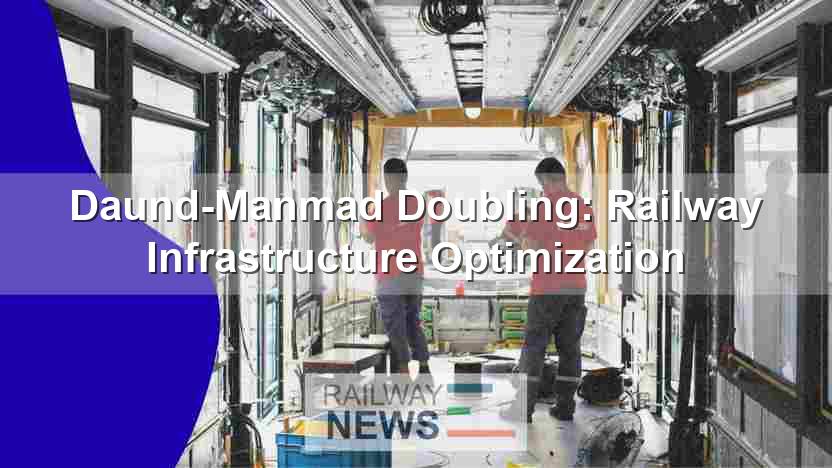
This article explores the crucial aspects of optimizing railway infrastructure, exploring strategies for improving operational efficiency and passenger experience. From upgrading track layouts to implementing advanced signaling systems, the modern railway network demands continuous improvement to keep pace with growing passenger and freight demands. This includes the integration of technological advancements and sustainable practices. Effective infrastructure management ensures not only timely and safe transportation but also enhances the overall economic viability of railway operations. By examining key components like track maintenance, signaling protocols, and station design, this analysis provides a detailed overview of methods for achieving greater efficiency and reliability in the rail industry. A focus will be placed on the critical role of capacity expansion and operational flexibility in meeting the evolving transportation needs of our increasingly interconnected world.
The Significance of Capacity Expansion
Railway systems face increasing pressure to accommodate growing passenger and freight volumes. Capacity expansion projects, such as line doubling and the introduction of dedicated freight corridors, play a pivotal role in improving operational efficiency. These upgrades not only enhance the throughput of the system but also reduce congestion, improving transit times and enhancing overall network reliability. Efficient capacity planning is key to mitigating delays and ensuring timely delivery of goods and services. Effective utilization of existing infrastructure through route optimization and improved scheduling algorithms also contribute significantly to enhancing operational capabilities.
Technological Advancements in Signaling and Communication
Advanced signaling systems are crucial in enhancing safety and increasing train density. The implementation of modern communication technologies, including GSM-R (Global System for Mobile Communications-Railway), facilitates seamless communication between trains and control centers. This facilitates precise dispatching, reduces delay times, and enhances overall operational efficiency. The integration of automatic train protection systems, incorporating technologies like European Train Control System (ETCS) and other advanced signalling systems, significantly minimizes the risk of collisions and improves the overall safety of railway operations. These technologies are instrumental in enhancing operational reliability and predictability.
Sustainable Practices and Infrastructure Maintenance
Modern railway operations demand a commitment to environmentally responsible practices. Implementing sustainable construction methods, adopting renewable energy sources, and optimizing energy consumption in locomotives are key steps towards reducing the environmental footprint of railway operations. Detailed infrastructure maintenance schedules, including regular track inspection and repairs, are paramount to ensuring the longevity and safety of the network. This proactive approach prevents costly downtime, minimizes disruptions to service, and ensures the safe and efficient operation of the railway. Effective asset management and predictive maintenance methodologies can significantly optimize maintenance strategies, reducing costs and increasing service reliability.
Daund-Manmad railway line doubling: A Case Study
The doubling of the Daund-Manmad railway line exemplifies the significant impact capacity expansion can have on railway operations. This project dramatically increased the line’s carrying capacity, allowing for more frequent services and better handling of freight traffic, thereby significantly boosting the economic output of the area. This case study highlights the crucial link between infrastructure development and socioeconomic progress, emphasizing the need for continued investment in railway infrastructure improvements. Doubling projects, like this one, are essential to efficiently manage growing demand and future-proof existing infrastructure.
Conclusions
This analysis underscores the multifaceted approach needed to optimize railway infrastructure. Modernizing signaling and communication systems, embracing sustainable practices, and meticulously planning capacity expansion are vital steps towards achieving greater operational efficiency and reliability. The case study of the Daund-Manmad railway line doubling highlights the positive correlation between infrastructure development and economic growth. The railway industry must continually adapt to technological advancements and evolving passenger/freight demands to maintain a robust and competitive network. Successful optimization requires a detailed understanding of infrastructure components, a commitment to safety protocols, and a continuous pursuit of sustainable development practices. Integrating real-time data analysis and advanced scheduling tools can further refine operations, enabling a responsive and adaptable railway system that consistently meets the growing needs of the community.
You might be interested in:
Last January 2019, we covered revolutionizing high-speed rail safety. Click here to read – 1000m Vision: Revolutionizing High-Speed Rail Safety

Railway infrastructure, rolling stock and transport technologies specialist focused on global rail industry developments, high-speed rail systems, signaling technologies and freight transportation. Covering railway investments, public transport modernization, rail operations and international mobility projects across Europe, Asia and North America.
RELATED POSTS

October 1, 2026 7:09 am
United States regulators confirmed a September 30 deadline for the...

October 8, 2026 1:15 pm
Alstom secured a €1bn contract to build 13 automated trains,...

October 4, 2026 5:14 pm
Alstom secured a CA$4.7 billion order from VIA Rail Canada...

October 1, 2026 12:13 am
Illinois approved $1.5 billion annually for the Northern Illinois Transit...

October 6, 2026 2:14 am
Union Pacific launched export rail shipments with Ferromex to deliver...

October 1, 2026 6:10 am
Amtrak approved a System Expansion Committee on July 30 to...