
California Rail Investment: Boosting Freight & Sustainable Transport
California commits $5B to upgrade rail, highways, and transit. Investment boosts freight rail capacity, aiming for a sustainable transport future.
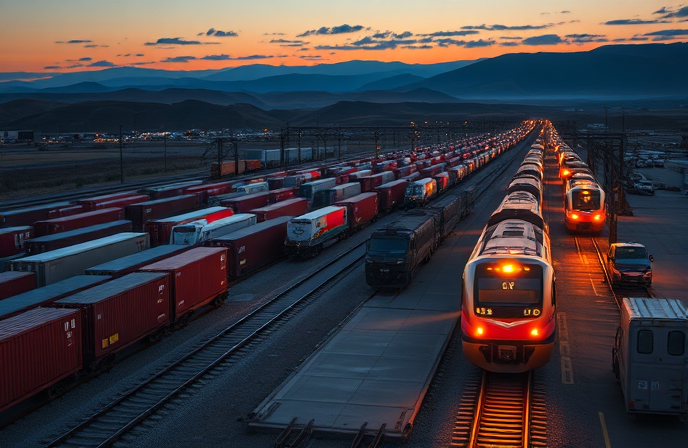
California Commits Nearly $5 Billion to Bolster Transportation Infrastructure
California Governor Gavin Newsom on June 27th announced a substantial investment of almost $5 billion allocated to a suite of transportation projects. This detailed funding package, awarded by the California Transportation Commission, targets significant upgrades to state highways, expansion of rail and bus services, and the enhancement of pedestrian and bicycle infrastructure. The primary aim is to modernize California’s transportation networks, improving efficiency and safety across the state. This initiative, part of Newsom’s “build more, faster” agenda, is designed to deliver critical infrastructure improvements and generate thousands of jobs throughout California. The program specifically addresses critical areas of need for the state’s rail network.
Strategic Allocation of Funds
The allocated funds are derived from several sources, with a significant portion, nearly $2.44 billion, originating from Senate Bill 1 (SB 1), the Road Repair and Accountability Act of 2017. SB 1 leverages gas tax revenues to fund essential roadway safety enhancements. A critical aspect of the investment strategy involves the allocation of approximately $1.45 billion specifically for zero- and low-emission transportation initiatives. This portion will be dedicated to building new infrastructure aimed at strengthening California’s freight network and enhancing connections between marine ports and rail yards. This includes upgrades to rail lines and signaling systems. These improvements promise to facilitate smoother freight movements, reduce traffic congestion, and improve overall road conditions.
Focus on Rail and Freight Enhancement
A substantial portion of the investment is directly geared towards optimizing freight rail operations, a crucial element of California’s supply chain. This includes projects designed to improve the efficiency of freight rail lines, reduce bottlenecks, and enhance the capacity of existing rail corridors. The aim is to facilitate the seamless movement of goods between ports, rail yards, and distribution centers. This strategic focus highlights the vital role that rail plays in the state’s economic vitality. For instance, investments in the rail network directly impact its ability to handle increased freight volume, thereby reducing truck traffic on highways and minimizing congestion.
Supporting Zero-Emission Transportation
The commitment to zero- and low-emission transportation is a critical component of California’s broader environmental goals. The allocated funds will facilitate the development and deployment of cleaner transportation technologies, including electric buses, expanded charging infrastructure for electric vehicles (EVs), and potentially, investments in hydrogen fuel cell projects for rail applications. These efforts not only contribute to reducing greenhouse gas emissions but also to improving air quality, particularly in urban areas. This commitment represents a shift towards a more sustainable and environmentally responsible transportation system, aligned with California’s ambitious climate goals.
Improving Pedestrian and Bicycle Infrastructure
Alongside the improvements to rail and freight, the infrastructure upgrades also prioritize projects aimed at enhancing pedestrian and bicycle accessibility. This is achieved through the development of new bike lanes, pedestrian walkways, and other facilities that promote active transportation. Safe and reliable transportation alternatives decrease traffic congestion and encourage a more healthy lifestyle. This will lead to better city integration and allow for a broader range of options for residents when planning their daily transportation needs.
Conclusion
Governor Newsom’s $5 billion transportation investment represents a crucial step towards modernizing and improving California’s transportation infrastructure. The funding, allocated through the California Transportation Commission, demonstrates a commitment to addressing key transportation needs across multiple sectors. The investment’s strategic focus on rail infrastructure underscores the vital role of rail in supporting freight movement and reducing congestion. The commitment to zero- and low-emission transportation underscores California’s commitment to combating climate change. The allocation also aims at integrating pedestrian and bicycle infrastructures. These detailed upgrades are designed to enhance safety, reduce congestion, and promote more sustainable transportation options for Californians.
The implications for the rail industry are significant. These projects will enhance efficiency and capacity, creating new job opportunities, and driving economic growth in the region. The future of transportation in California looks brighter, with the potential for a more sustainable and efficient transportation network. The ongoing commitment to invest in infrastructure improvements demonstrates a commitment to economic development, environmental stewardship, and improving quality of life across the state.

Railway infrastructure, rolling stock and transport technologies specialist focused on global rail industry developments, high-speed rail systems, signaling technologies and freight transportation. Covering railway investments, public transport modernization, rail operations and international mobility projects across Europe, Asia and North America.
RELATED POSTS

October 1, 2026 7:09 am
United States regulators confirmed a September 30 deadline for the...

October 8, 2026 1:15 pm
Alstom secured a €1bn contract to build 13 automated trains,...

October 4, 2026 5:14 pm
Alstom secured a CA$4.7 billion order from VIA Rail Canada...

October 1, 2026 12:13 am
Illinois approved $1.5 billion annually for the Northern Illinois Transit...

October 6, 2026 2:14 am
Union Pacific launched export rail shipments with Ferromex to deliver...

October 1, 2026 6:10 am
Amtrak approved a System Expansion Committee on July 30 to...