
UK Rail Upgrades: Capacity, Efficiency, Sustainability
Railway upgrades are crucial for boosting capacity, efficiency, and sustainability. Discover how modernizing our rail network secures its future and delivers significant economic benefits!
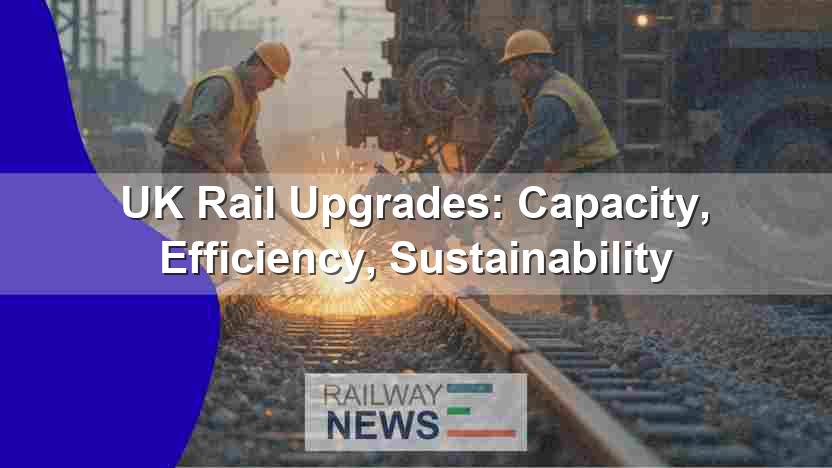
The global railway network faces increasing pressure to accommodate rising passenger and freight volumes while simultaneously striving for improved efficiency and reduced environmental impact. This necessitates strategic investment in infrastructure upgrades and technological advancements. This article will explore the critical aspects of modern railway upgrades, focusing on the need for increased capacity, enhanced operational efficiency, improved safety measures, and the integration of sustainable practices. We will examine the challenges involved in implementing such upgrades, considering economic, logistical, and environmental factors. A case study focusing on potential upgrades to the Norwich, Yarmouth, and Lowestoft lines will illustrate the complexities and benefits of such projects. The successful implementation of these upgrades is not merely about modernization; it’s about ensuring the long-term viability and competitiveness of rail transportation in the face of growing demands and the urgent need for greener transport solutions. The economic benefits, both direct and indirect, resulting from improvements in infrastructure and operational efficiency will also be considered, highlighting the strategic importance of investment in this critical sector.
Capacity Expansion: Addressing Growing Demand
The most immediate challenge facing many railway systems is the need for increased capacity. Aging infrastructure, often designed for lower passenger and freight volumes, is struggling to cope with the current demands. This necessitates significant investment in track upgrades, including widening existing lines, constructing new tracks, and implementing advanced signaling systems (such as ETCS – European Train Control System) to increase line capacity and allow for higher train frequencies. This also involves expanding station platforms and improving passenger flow to avoid bottlenecks during peak hours. Additionally, consideration must be given to optimizing train schedules through sophisticated timetable planning software to maximize the efficient utilization of existing assets.
Improving Operational Efficiency: Streamlining Operations
Beyond simply increasing capacity, railway upgrades must focus on improving operational efficiency. This includes implementing advanced train control systems to improve punctuality and reduce delays. Real-time monitoring of train performance, coupled with predictive maintenance strategies for rolling stock and track infrastructure, can significantly reduce downtime and improve overall efficiency. The integration of data analytics and artificial intelligence (AI) can further enhance optimization, leading to more efficient resource allocation and cost savings. The implementation of modern, centralized control systems can lead to a smoother and more efficient management of train movements, leading to reduced delays and improved reliability.
Safety and Security: Prioritizing Passenger Well-being
Safety remains paramount in railway operations. Upgrades should include improvements to signaling systems, track maintenance procedures, and rolling stock safety features. This necessitates continuous investment in advanced safety technologies, including Positive Train Control (PTC) systems to prevent accidents caused by human error. Enhanced surveillance systems and improved emergency response protocols are also crucial elements in ensuring passenger and staff safety. Regular safety audits and inspections are essential to proactively identify and address potential risks before they lead to incidents.
Sustainability and Environmental Considerations
The environmental impact of railway operations is increasingly important. Upgrades should incorporate sustainable practices, such as the use of renewable energy sources to power railway infrastructure, the adoption of more energy-efficient rolling stock, and the reduction of carbon emissions. Investing in quieter trains and noise-reduction barriers can also mitigate environmental impact in densely populated areas. The pursuit of greener materials and construction techniques in infrastructure projects further underscores the commitment to environmental responsibility. The Norwich Yarmouth Lowestoft railway upgrade, for example, could incorporate these considerations in its design and implementation, setting a benchmark for future projects.
Conclusions
Upgrading railway infrastructure is a complex undertaking requiring significant investment and careful planning. The benefits, however, are substantial. Increased capacity addresses growing demand for both passenger and freight services, improving connectivity and stimulating economic growth. Improved operational efficiency leads to cost savings and enhanced reliability, while enhanced safety measures protect passengers and staff. The integration of sustainable practices contributes to environmental responsibility and reduces the railway’s carbon footprint. The Norwich Yarmouth Lowestoft railway upgrade represents a vital opportunity to demonstrate these benefits in a tangible way. Successful projects require a holistic approach, integrating technological advancements with effective management and robust regulatory frameworks. The long-term economic viability of rail transportation depends on the continued investment in infrastructure upgrades, ensuring that railways remain a safe, efficient, and sustainable mode of transport for generations to come. The challenges are substantial, but the potential rewards – in terms of economic growth, improved connectivity, and environmental sustainability – make the effort worthwhile. Effective planning, collaboration between stakeholders, and a commitment to innovation are essential to ensure the success of these crucial projects.
You might be interested in:
Last June 2019, we had an article on how Trenitalia’s big high-speed rail upgrade is changing Italian trains. Click here to read – Trenitalia’s $643M High-Speed Rail Upgrade: Frecciarossa 1000s Arrive

Railway infrastructure, rolling stock and transport technologies specialist focused on global rail industry developments, high-speed rail systems, signaling technologies and freight transportation. Covering railway investments, public transport modernization, rail operations and international mobility projects across Europe, Asia and North America.
RELATED POSTS

October 1, 2026 12:13 am
Illinois approved $1.5 billion annually for the Northern Illinois Transit...

October 4, 2026 5:14 pm
Alstom secured a CA$4.7 billion order from VIA Rail Canada...
October 1, 2026 3:12 am
Greenbrier confirmed Brian Comstock as new president and CEO effective...
October 1, 2026 5:14 am
Siemens confirmed delivery of the first new S200 train to...
October 1, 2026 10:14 am
HS2 installed a 55-metre steel span in Birmingham, completing phase...
October 1, 2026 8:12 am
Knorr-Bremse expanded its UK rail adhesion trial on Chiltern Railways...