
Alstom Secures Urbalis Fluence CBTC for Lausanne M2 Metro
Alstom secured a contract with TL to modernize Switzerland’s only metro, the Lausanne M2 line, installing Urbalis Fluence CBTC for 360,000 daily passengers.
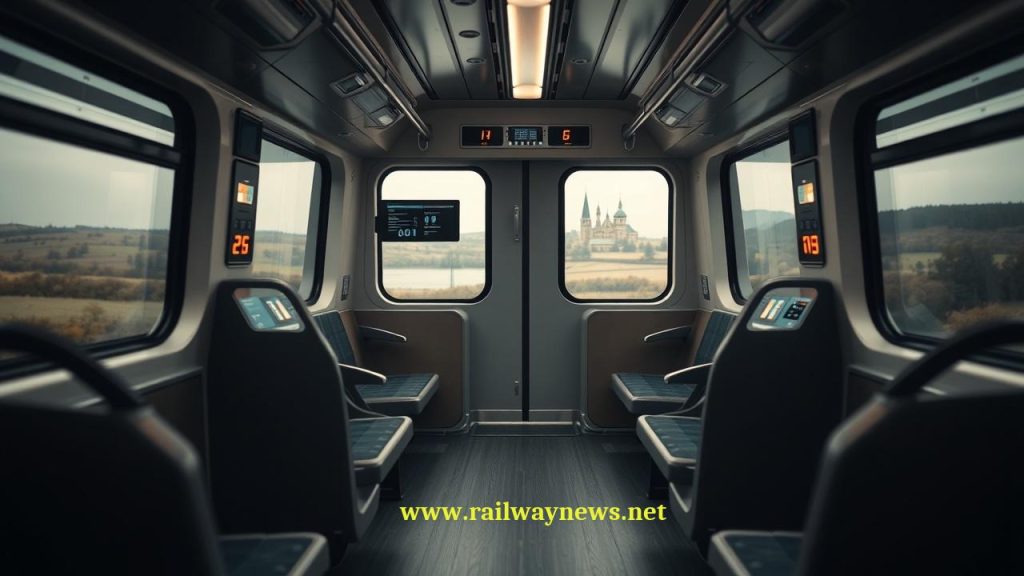
⚡ In Brief: Alstom has secured a contract with Transports publics de la région Lausannoise (TL) to install its Urbalis Fluence CBTC signaling system and perform a mid-life modernization on the fleet of Lausanne’s M2 metro line, Switzerland’s only metro system.
LAUSANNE, SWITZERLAND – Alstom and Transports publics de la région Lausannoise (TL) have signed a contract to modernize the M2 metro line. The project includes the deployment of a new Communications-Based Train Control (CBTC) system and a detailed mid-life overhaul of the existing train fleet to increase capacity and frequency for approximately 360,000 daily passengers on the TL network.
What Are the Technical Specifications?
The contract specifies the installation of Alstom’s Urbalis Fluence, a new-generation CBTC system with a “train-centric” architecture where more system intelligence is located onboard the vehicles. This approach is designed to reduce the need for extensive trackside infrastructure modifications. In parallel, the M2 fleet will undergo the FlexCare Modernise program, which includes upgrading the Train Control and Monitoring System (TCMS) for full integration with the new CBTC, as well as interior and exterior vehicle refurbishment.
Key Technical Data
| Parameter | Value |
|---|---|
| Technology / System Name | Alstom Urbalis Fluence (CBTC) & FlexCare Modernise (Fleet) |
| Total Value | Not disclosed |
| Parties Involved | Alstom, Transports publics de la région lausannoise (TL) |
| Timeline / Completion | Not disclosed; work will be phased during nighttime hours |
| Country / Corridor | Switzerland / Lausanne M2 Metro Line |
Where Does This Technology Stand in the Market?
Alstom’s Urbalis Fluence competes directly with other major CBTC systems in the global market, each with different architectural philosophies. Siemens Mobility’s Trainguard MT, used extensively on lines like London’s Victoria and Jubilee lines, is a well-established system known for its moving-block technology that allows for high-frequency operation. Thales’s SelTrac system, one of the earliest and most widely deployed CBTC solutions on networks such as the London Docklands Light Railway (DLR) and Vancouver’s SkyTrain, also offers high automation levels. The key differentiator Alstom promotes for Urbalis Fluence is its “train-centric” design, which aims to simplify trackside installation and maintenance compared to systems that rely more heavily on ground-based equipment.
Editor’s Analysis
This modernization of the M2 line is a direct implementation of Switzerland’s broader national and cantonal transport strategies. The project’s goal of increasing service frequency aligns with the federal government’s “Programme de développement stratégique de l’infrastructure ferroviaire” (PRODES), which aims for half-hourly or quarter-hourly services on most main lines by 2035. By upgrading its core metro artery, Lausanne is ensuring its urban transport network can support the increased passenger flow generated by the national rail expansion, demonstrating a clear link between federal strategy and local execution. (Source: PRODES, Swiss Federal Office of Transport).
FAQ
Q: Why is the M2 metro line being modernized?
A: The modernization is driven by growing passenger demand in the Lausanne region. The upgrades are crucial for increasing train frequency, reducing wait times, and boosting overall transport capacity on the network’s backbone.
Q: What is a “train-centric” CBTC system?
A: A train-centric system places a larger portion of the control and positioning “intelligence” on the train itself, rather than in trackside equipment. This can increase operational flexibility and potentially reduce the amount of physical infrastructure required along the line.
Q: Will the M2 line be closed during the upgrade work?
A: No, the operator TL and Alstom plan to phase the work to minimize service disruptions. Most installation and testing will occur during short nighttime work windows, allowing normal train service to be maintained during operating hours.

Railway infrastructure, rolling stock and transport technologies specialist focused on global rail industry developments, high-speed rail systems, signaling technologies and freight transportation. Covering railway investments, public transport modernization, rail operations and international mobility projects across Europe, Asia and North America.
RELATED POSTS
September 6, 2026 5:19 am
Hitachi delivered Taiwan's first N700ST high-speed train from Japan in...

September 5, 2026 4:19 pm
CPK launched formal tender talks with four consortia to design...
September 6, 2026 1:17 am
Hitachi Toshiba Supreme Consortium confirmed the first of 12 N700ST...
September 6, 2026 6:17 am
Hungary ordered a national ban on most freight trains from...

September 6, 2026 4:12 am
Alstom delivered the first of 100 new G Class trams...
September 7, 2026 8:16 am
Midea, Gree and TCL shipped air conditioners via China Railway...