
Voestalpine Secures EUR 500M DB SBB Contracts Germany Switzerland
Voestalpine secured EUR 500 million in contracts to supply rails, switches, and digital signalling for DB and SBB in Germany and Switzerland.
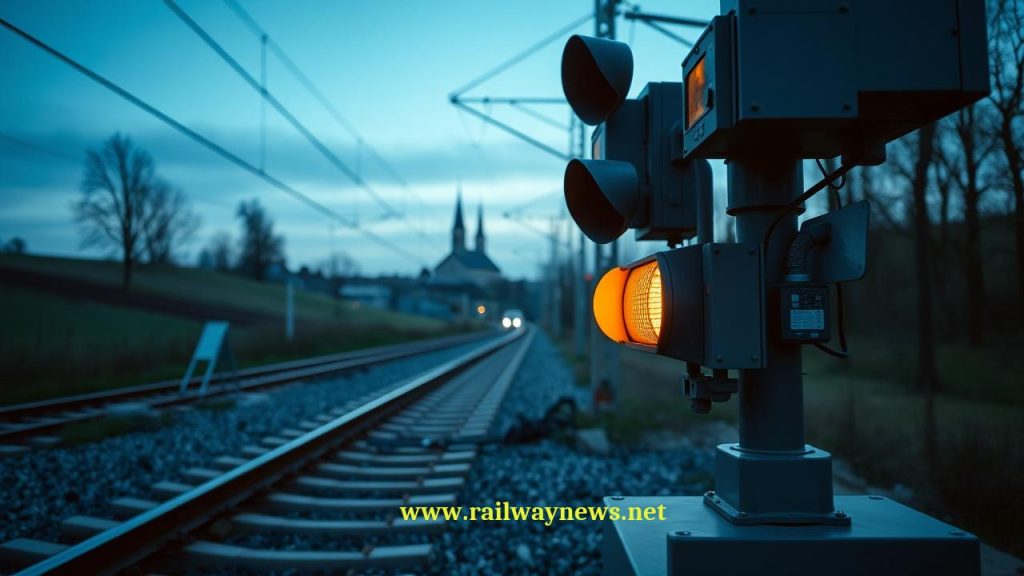
⚡ In Brief: Austrian firm voestalpine Railway Systems has secured contracts worth a combined EUR 500 million with Germany’s Deutsche Bahn and Switzerland’s SBB to supply rails, switches, and digital signalling technology for network modernization projects.
[VIENNA/AUSTRIA] – voestalpine Railway Systems announced it has secured orders totaling EUR 500 million from national railway operators in Germany and Switzerland. The agreements with Deutsche Bahn (DB) and Swiss Federal Railways (SBB) cover the supply of physical infrastructure like rails and switches, as well as digital signalling and monitoring systems. The contracts support major modernization efforts, including upgrades to high-capacity corridors in Germany and a long-term network digitization plan in Switzerland.
What Does This Contract Cover?
The total EUR 500 million value is split across two national operators for distinct product and service categories. In Germany, voestalpine will provide premium rails and switch components for key projects, including the modernization of Frankfurt Central Station and high-capacity lines such as Hamburg–Berlin. The German scope also includes integrated logistics, training, and maintenance services. In Switzerland, the company signed a framework agreement with SBB for up to 20 years, focusing on the supply of modern axle counting systems, diagnostic services, and cybersecurity solutions to support the rollout of standardized EULYNX signalling technologies.
Key Contract Data
| Parameter | Value |
|---|---|
| Contract Name | DB & SBB Infrastructure Supply and Digitization |
| Total Value | EUR 500 million |
| Parties Involved | voestalpine Railway Systems, Deutsche Bahn (DB), Swiss Federal Railways (SBB) |
| Timeline / Completion | Up to 20 years (for SBB framework); specific project timelines not disclosed |
| Country / Corridor | Germany (Frankfurt, Hamburg–Berlin, Riedbahn); Switzerland (nationwide network) |
How Does This Compare to Similar Contracts?
Comparable publicly disclosed contract values for integrated rail, switch, and signalling packages in Europe for 2024 and 2025 were not available at the time of publication. The long-term, 20-year nature of the SBB framework agreement for digitization is a significant feature, moving beyond simple component supply to a sustained technology partnership. Independent third-party verification of the combined EUR 500 million figure was not possible from available data feeds, which is common for complex, multi-part agreements announced directly by a supplier before being reflected in broader procurement databases.
Editor’s Analysis
This dual-country award reinforces voestalpine’s position as a key integrated supplier for Europe’s largest rail network operators. The inclusion of EULYNX-compliant signalling and cybersecurity solutions in the Swiss contract is particularly strategic, aligning the company with the continent-wide push for interoperability and network intelligence. This contract directly reflects the market trend in Germany and surrounding regions toward significant investment in advanced signalling to enhance network capacity and safety, a trend expected to accelerate through 2025 due to regulatory pressures and a need for greater operational efficiency. (Source: Market Research Future, 2023)
FAQ
Q: What specific digital technologies is voestalpine supplying to Switzerland?
A: The contract with SBB focuses on modern axle counting systems, which detect if a track section is occupied, along with diagnostic systems and cybersecurity solutions. These components are critical for the implementation of the standardized EULYNX signalling architecture.
Q: What is EULYNX and why is it important?
A: EULYNX is a European initiative by multiple infrastructure managers, including DB and SBB, to standardize the interfaces between signalling components. Its adoption aims to reduce the cost and complexity of deploying and maintaining signalling systems from different manufacturers, fostering competition and faster innovation.
Q: Were specific completion dates for the German projects announced?
A: No, the announcement did not specify the delivery timelines or completion dates for the modernization of Frankfurt Central Station or the upgrades to the Hamburg–Berlin corridor. These details are typically released as part of the operator’s specific construction schedules.

Railway infrastructure, rolling stock and transport technologies specialist focused on global rail industry developments, high-speed rail systems, signaling technologies and freight transportation. Covering railway investments, public transport modernization, rail operations and international mobility projects across Europe, Asia and North America.
RELATED POSTS

October 1, 2026 7:09 am
United States regulators confirmed a September 30 deadline for the...

October 8, 2026 1:15 pm
Alstom secured a €1bn contract to build 13 automated trains,...

October 4, 2026 5:14 pm
Alstom secured a CA$4.7 billion order from VIA Rail Canada...

October 1, 2026 12:13 am
Illinois approved $1.5 billion annually for the Northern Illinois Transit...

October 6, 2026 2:14 am
Union Pacific launched export rail shipments with Ferromex to deliver...

October 1, 2026 6:10 am
Amtrak approved a System Expansion Committee on July 30 to...