
CPKC Reports 2026 Climate Insights With 100 Tier 4 Locomotives
CPKC reports 2026 Climate Insights, outlining 100 new Tier 4 locomotives and expanded hydrogen fuel testing across its network.
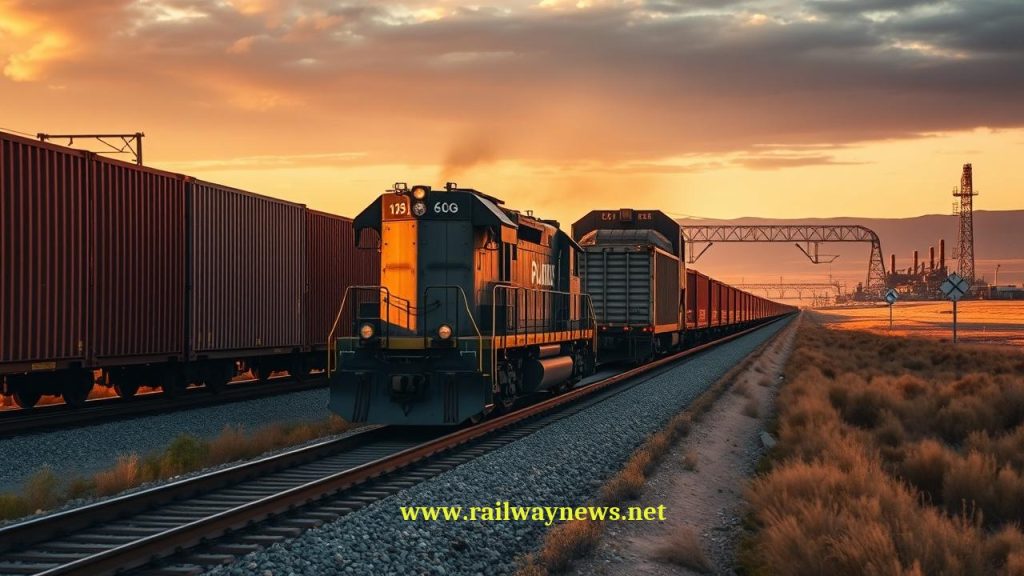
⚡ In Brief: CPKC released its consolidated 2026 “Climate Insights” report, outlining a strategy supported by consultants like McKinsey & Co. and highlighting actions including the deployment of 100 new Tier 4 locomotives and expanded hydrogen fuel testing across its network.
CALGARY, AB – Canadian Pacific Kansas City (CPKC) has released its 2026 “Climate Insights” and “Climate Mileposts” reports, consolidating the company’s governance and strategic framework for climate change. The documents detail recent progress, including the deployment of 100 new Tier 4 locomotives and ongoing real-world testing of its hydrogen-powered locomotive fleet. The strategy’s development was supported by leading global sustainability consultants.
What Does This Climate Strategy Cover?
The “Climate Insights” report establishes a unified framework for CPKC’s climate governance, risk management, and emissions reduction efforts, replacing previous 2021 and 2023 publications. Key actions outlined in the supplementary “Climate Mileposts” report include fleet modernization, expansion of energy management technologies, and network infrastructure improvements such as siding extensions and track upgrades. The report also confirms the completion of a climate scenario analysis for the combined post-merger CPKC network.
Key Strategy Data
| Parameter | Value |
|---|---|
| Strategy / Report Name | Climate Insights & Climate Mileposts (2026) |
| Total Value | Not disclosed |
| Parties Involved | CPKC, BCG, McKinsey & Co, Capgemini |
| Timeline / Completion | Ongoing strategy, replaces 2021 & 2023 reports |
| Country / Corridor | CPKC Network (Canada, U.S., Mexico) |
How Does This Compare to Industry Trends?
CPKC’s engagement of top-tier consulting firms like McKinsey and BCG for its climate strategy reflects a growing industry trend where large industrial companies seek specialized expertise to navigate complex decarbonization pathways. While most Class I railroads are focused on operational measures, CPKC’s emphasis on a formalized governance structure supported by external advisors is notable. The operational focus on hydrogen locomotives is a key differentiator, whereas competitors like Union Pacific have invested heavily in modernizing their fleet with a focus on renewable diesel, and BNSF has partnered with Wabtec on battery-electric locomotive development.
Editor’s Analysis
The consolidation of CPKC’s climate reporting into a single, consultant-backed framework signals a shift from project-based initiatives to a more mature, integrated ESG governance model intended to meet investor expectations. This strategic-level investment in planning highlights the immense capital and long-term vision required to decarbonize North American rail networks. The ultimate success of these plans, however, remains dependent on the technological readiness of solutions like hydrogen and the financial stability of the specialized technology suppliers that the industry relies on for innovation. For instance, rail network technology provider Ondas projects massive revenue growth to $375 million in 2026 but reported a significant operating loss of $(58.4) million in 2025, underscoring the high-risk, high-reward nature of the rail technology sector. (Source: TradingView, 2026).
FAQ
Q: What specific technologies is CPKC using to reduce emissions?
A: CPKC’s primary actions involve deploying 100 new Tier 4 diesel locomotives, which are significantly more fuel-efficient than older models, and pioneering its hydrogen locomotive program through real-world testing and infrastructure expansion. The company also utilizes energy management software to optimize train operations and reduce fuel burn.
Q: How much is CPKC investing in its climate initiatives?
A: The total capital expenditure dedicated to the climate programs, including the procurement cost for the 100 Tier 4 locomotives or the budget for the hydrogen program expansion, was not disclosed in the reports. This financial information has not been made public.
Q: How does this strategy differ from previous CPKC climate reports?
A: The 2026 “Climate Insights” report consolidates the 2021 Climate Strategy and 2023 Commitment to Climate Action into a single, unified document. This creates a more integrated approach to governance, risk management, and emissions reduction for the entire merged CPKC network.

Railway infrastructure, rolling stock and transport technologies specialist focused on global rail industry developments, high-speed rail systems, signaling technologies and freight transportation. Covering railway investments, public transport modernization, rail operations and international mobility projects across Europe, Asia and North America.
RELATED POSTS

October 8, 2026 12:18 pm
Siemens Mobility signed an agreement with VinSpeed to supply 350...

October 4, 2026 5:14 pm
Alstom secured a CA$4.7 billion order from VIA Rail Canada...

October 5, 2026 6:12 pm
AECOM and Jacobs secured a contract in September 2026 to...

October 4, 2026 11:08 pm
Sound Transit confirmed the September 30 opening of Seattle Pinehurst...

October 5, 2026 1:13 pm
New York MTA confirmed a late 2026 DEIS release for...

October 6, 2026 5:12 pm
Cleveland RTA confirmed the deferral of planned bus and rail...